Why 'Face Down' Still Hits So Hard
The meaning of Face Down The Red Jumpsuit Apparatus is direct, painful, and unusually brave for a mid-2000s rock hit. Rather than hiding behind vague heartbreak, the song names a cycle of domestic abuse and imagines the moment it finally breaks.
"Face Down" - The Red Jumpsuit Apparatus
One look puts the rhythm in my hand
Still, I'll never understand why you hang around
Loading lyrics...
Unable to load lyrics
We're unable to display the lyrics at this time. Please try again later.
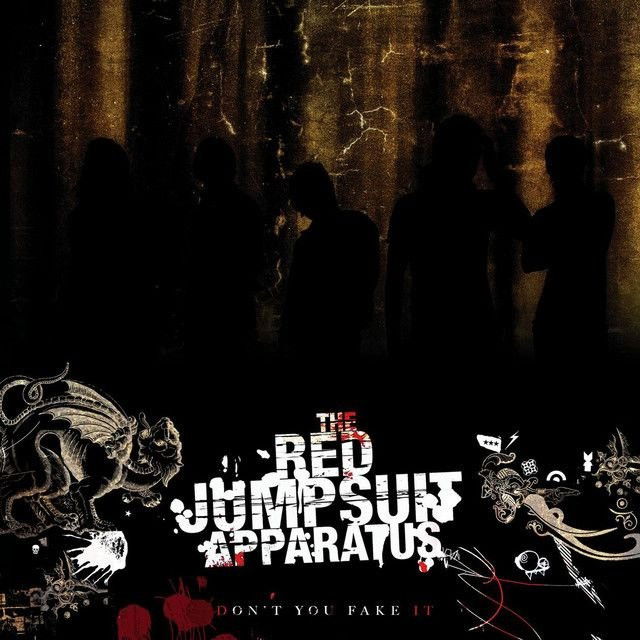
Released on the band’s debut album Don't You Fake It in 2006, “Face Down” became their breakout single, reaching No. 24 on the US Billboard Hot 100 and later earning multi-platinum certification in the United States, according to [Wikipedia’s summary of chart and certification data](https://en.wikipedia.org/wiki/Face_Down_(The_Red_Jumpsuit_Apparatus_song). That success matters because it shows how a difficult subject reached a huge mainstream audience.
A Protest Song Hidden Inside a Post-Hardcore Hit
At its core, the song is about witnessing abuse, recognizing the lies that sustain it, and insisting that the victim can leave. The verses describe a familiar pattern: visible harm is covered up, promises are made, and the damage continues. The song’s narrator sees through that pattern and refuses to soften it.
That is why one of the key phrases, never gonna happen again
, feels so bitter. The line captures the false apology that often follows violence. The song does not treat that promise as hope; it treats it as part of the trap.
Interpretation: The song is not only speaking to an abuser or a victim. It also speaks to bystanders who notice signs but may not know how to name what they are seeing. Its repeated certainty—basically, “they see what is happening”—turns observation into moral judgment.

Watch the official Face Down
music video
The Personal Story Behind the Lyrics
The song hits harder because Ronnie Winter did not write from a distance. According to [Nylon, as quoted in the song’s reference history](https://en.wikipedia.org/wiki/Face_Down_(The_Red_Jumpsuit_Apparatus_song), Winter said he wrote from childhood experiences of domestic violence connected to substance abuse in his home. He also told [Alternative Press, via the same documented summary](https://en.wikipedia.org/wiki/Face_Down_(The_Red_Jumpsuit_Apparatus_song), that the track was a glimpse into his life from birth to about age nine.
That context matters. It explains why the song sounds less like fiction and more like testimony. Even when the narrator addresses the abuser directly, the emotion does not feel theatrical. It feels lived in.
How the Chorus Turns Anger Into Accountability
The chorus is the song’s sharpest weapon. It asks the abuser whether violence makes him feel like a man. That question is not really searching for an answer. It is meant to expose the emptiness of abusive power.
Two short phrases carry the emotional weight: push her around
and falls to the ground
. The first describes control as bullying, not strength. The second shows the physical result in brutally plain language.
Then the chorus pivots. It predicts collapse: lies will fail, and a new life she has found
. That shift is important. The song is not only rage. It is also survival.
The Story the Verses Tell
The lyrics move in a clear timeline:
- The narrator sees signs of abuse.
- The victim hides the evidence and clings to another apology.
- The narrator confronts the abuser.
- The song predicts consequences.
- The victim reaches a limit and leaves.
The most powerful turning point comes near the end, when the repeated idea of having finally had enough
reframes the whole song. Until then, the victim seems stuck in repetition. After that, the song imagines a future shaped by refusal rather than fear.
Face down in the dirt
This doesn't hurt
I finally had enough
This brief moment is easy to misunderstand. It is not saying the abuse causes no pain. It sounds more like emotional numbness mixed with defiance. Interpretation: the victim may be saying the abuser no longer has the power to define the story.
Small Images, Big Meaning
The song uses simple images rather than poetic puzzles. Makeup in the mirror suggests concealment. Water and ripples suggest consequence. Dirt suggests degradation, but also a bottoming-out point from which change becomes possible.
One of the smartest lines is the ripple image. It argues that abuse does not stay private. Every act spreads outward. Family members, children, and future relationships all feel the impact. That matches Winter’s own comments about childhood exposure to violence and why the song was meant to help listeners in similar situations, as summarized in the [song’s documented interview history](https://en.wikipedia.org/wiki/Face_Down_(The_Red_Jumpsuit_Apparatus_song).
Why the Sound Makes the Message Land
Produced by David Bendeth, “Face Down” balances melody with force, a key reason it crossed over beyond scene audiences. The verses hold tension, then the chorus bursts open with louder guitars and a more urgent vocal attack. That dynamic mirrors the song’s meaning: silence in the verse, confrontation in the chorus.
Genre labels vary, but sources commonly place it in emo, pop-punk, and hard rock. All three fit. The emo side gives it confession, the pop-punk side gives it hook power, and the hard rock side gives it impact. Instead of decorating the lyrics, the arrangement pushes them forward.
Why It Still Matters
Part of the lasting power behind the meaning of Face Down The Red Jumpsuit Apparatus is that it refuses glamor, irony, or distance. It says abuse is real, excuses are hollow, and escape is possible. That clarity helped make it the band’s biggest hit and still makes it memorable now.
The song’s message is ultimately not about violence winning. It is about violence being named, challenged, and outlived.
Disclaimer: This interpretation combines documented artist comments, release context, and close reading of the lyrics. Like all song analysis, some meaning remains open to listener interpretation.








