Why '777-9311' Still Sounds So Bold
The meaning of 777-9311 The Time starts with a simple setup: a man wants a woman’s number, gets it, and immediately imagines what could happen next. But the song lasts because it turns that everyday move into a full performance of swagger, pressure, desire, and comic self-confidence.
"777-9311" - The Time
I know I'm kinda fast, but I hate to waste time
Baby, what's your phone number?
Loading lyrics...
Unable to load lyrics
We're unable to display the lyrics at this time. Please try again later.
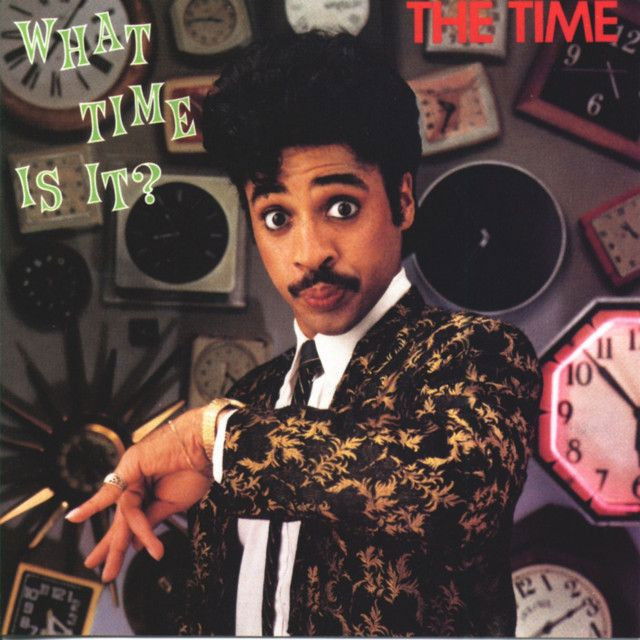
Released as the lead single from What Time Is It? in 1982, the track became one of The Time’s signature songs and hit No. 2 on Billboard’s R&B chart. It was also deeply shaped by Prince, who wrote and produced it and is widely credited with performing the instrumental track in the studio, while Morris Day delivered the lead vocal persona.[1][2]
A Pickup Line Turned Into Theater
At the lyric level, the song is very direct. The speaker keeps asking for contact, repeating the title-number like a chant and treating the phone number as proof that his shot might work. When he says what's your phone number?
, the question is not subtle. That is the point.
Still, the track is not only about attraction. It is also about performance. The singer acts fast, cool, and totally sure of himself, but the words hint that rejection is a real fear. A phrase like hate to waste time
makes him sound confident, yet it also makes him sound nervous and impatient.
Interpretation: the song works as a mini character sketch. They present a man who wants to seem in control, but who is also chasing validation.
Watch the official 777-9311
music video
Where the Chorus Gets Its Power
The hook is so memorable because it reduces romance to a number that can be dialed, repeated, and danced to. When the chorus lands on 777-9311
, the number becomes more than contact info. It becomes a fantasy of access.
The repeated plea to come over that night pushes the song beyond casual flirting. It suggests urgency, fantasy, and a little bit of comic exaggeration. The number sounds practical, but the emotion around it is heated.
777-9311
please can I come tonight?
That short refrain captures the whole song: desire made catchy, blunt, and theatrical.
The Voice Behind the Bragging
Morris Day’s vocal is crucial to the meaning. He does not sing these lines like a soft love song. He delivers them with attitude, timing, and a grin listeners can almost hear.
That matters because some lyrics could sound pushy on paper. In performance, they land more like exaggerated nightclub talk from a stylish character. When he throws in ain't nothin' worse than rejection
, the cool mask slips for a second. That moment gives the song some humor and humanity.
Confidence With Cracks in It
The singer keeps comparing himself to other men, rushing the moment, and insisting he can do better. That creates tension. He is selling himself hard because he is not fully secure.
Interpretation: this is one reason the song feels alive instead of flat. It is not just seduction; it is seduction mixed with ego, anxiety, and showmanship.
The Groove Explains the Lyrics
A big part of the meaning of 777-9311 The Time comes from the music. The track opens with a drum-machine pulse, then layers in guitar, cymbals, bass, and keyboards. The result is sleek but physical, tight but restless.[1]
Most writers on the song point to the bassline as the center of gravity, and that makes sense. The bass does what the singer is trying to do: it struts. It pushes forward with total confidence, turning a basic flirtation story into something larger and cooler.
The arrangement also stretches the mood. The longer version gives the groove room to breathe, and the later instrumental passages feel like the musical version of the singer refusing to leave the room. He keeps pressing his case, and the band keeps the energy hot.
Prince, The Time, and the Minneapolis Edge
Context helps here. The Time was one of Prince’s key side projects, and this song shows how he used the group to explore a mix of funk, style, and comic roleplay.[1][2] The single was released on July 30, 1982, from What Time Is It?, during a period when Prince’s own career was rapidly rising around the era of 1999.[1][2]
One famous bit of backstory adds to the song’s legend: the title was reportedly the real phone number of Prince guitarist Dez Dickerson, who later had to change it after the song became a hit.[1] That detail fits the song perfectly. It blurs the line between joke, gimmick, and real-life fallout.
Why It Stayed in the Culture
The track endured because it has both a killer groove and a memorable concept. It is easy to chant, easy to dance to, and easy to reference. That is part of why later artists, including 2Pac, drew from it.[1]
It also holds up because it captures a certain kind of 1980s cool: flirtation as stagecraft, desire as rhythm, and personality as percussion. Even listeners who do not relate to the speaker’s approach can hear how sharply the song builds its world.
The Lasting Meaning
So, what is the meaning of 777-9311 The Time? At its core, it is a song about wanting connection right now and dressing that want up in style, nerve, and funk. Its lyrics are simple, but its character is vivid.
Interpretation: beneath the playful phone-number hook, the song is about how people perform confidence when they want someone’s attention. That is why it still feels fun, funny, and a little revealing.
Disclaimer: This interpretation blends documented facts about the song with critical reading of its lyrics and performance. Meaning can vary from listener to listener.
[1] https://en.wikipedia.org/wiki/777-9311
[2] https://www.songfacts.com/facts/the-time/777-9311








