
Bitter Sweet Symphony by The Verve
Why This Song Still Hits So Hard
The meaning of Bitter Sweet Symphony The Verve comes down to a simple but painful idea: life can feel beautiful and crushing at the same time. The song turns everyday pressure into something grand. It speaks about work, money, identity, loneliness, and the search for relief, all while sounding huge and cinematic.
"Bitter Sweet Symphony" - The Verve
Tryna make ends meet, you're a slave to money then you die
I'll take you down the only road I've ever been down
Loading lyrics...
Unable to load lyrics
We're unable to display the lyrics at this time. Please try again later.
Released on June 16, 1997 as the lead single from Urban Hymns, the track became The Verve's signature song and one of the defining singles of the Britpop era. It was produced by Youth and built around a famous orchestral sample, which later led to a long legal dispute over credits and royalties. Those facts matter because the song's story outside the lyrics mirrors its message inside them: art, ambition, struggle, and unfair systems all colliding.
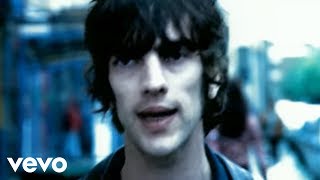
Watch the official Bitter Sweet Symphony
music video
The Core Meaning Beneath the Chorus
At its center, the song says that life is a contradiction. The singer sees living as both majestic and exhausting, which is summed up in the phrase bittersweet symphony
. That image suggests that life is made of many parts playing at once: joy and loss, hope and routine, freedom and control.
The most direct social line is slave to money
. They are not just talking about one bad job. They are describing a wider trap, where people spend their lives chasing survival and security, only to realize how little control they really have.
Interpretation: This is why the song feels larger than a breakup song or a diary entry. It sounds like a protest against modern life, but also a confession from someone who feels stuck inside it.
A Voice Torn Between Change and Habit
One of the song's smartest ideas is the conflict between wanting to grow and being unable to escape old patterns. The repeated claim I can change
is quickly undercut by here in my mold
. In plain terms, they want transformation, but they also feel shaped by forces that are older and stronger than willpower.
That tension makes the narrator feel human. They are not heroic or certain. They are inconsistent, tired, and self-aware.
I'm a million different people
from one day to the next
This short passage captures emotional instability without needing a full story. They feel fragmented, as if identity changes with mood, stress, or circumstance. Yet even with that shifting self, the deeper pattern stays the same.
How the Verses Build the Song's Themes
The verses move through three linked struggles:
- Economic pressure — life feels reduced to making ends meet.
- Emotional pain — they need sound and connection that can recognize what they feel.
- Existential confusion — they are unsure whether they can really become someone new.
When the song mentions being on the only road they have known, it suggests habit, fate, and social conditioning all at once. The road is not just a street. It is a life path.
Later, music itself becomes a form of cleansing. The song says melody can clear the mind and briefly make them feel free. That matters because the track is doing exactly that in real time. It describes music as escape while also becoming that escape for the listener.
The Sound Is Part of the Meaning
The arrangement is a big reason this song feels timeless. The track was built from a sample of the Andrew Loog Oldham Orchestra version of the Rolling Stones song “The Last Time,” then expanded with new parts. According to widely cited production accounts, Richard Ashcroft first worked on the song with John Leckie, while the released version was produced by Youth, with string arrangement contributions from Wil Malone and a recorded string section at Olympic Studios.
That famous string figure sounds noble, almost triumphant. But the beat beneath it rolls forward heavily, and Ashcroft's vocal is weary rather than victorious. This contrast is the whole emotional trick of the song: it sounds uplifting while describing entrapment.
Interpretation: The production turns inner frustration into public drama. It makes one person's private crisis feel like a universal condition.
The Legal Drama Adds an Extra Layer
The song's history is almost as famous as the song itself. The Verve cleared use of the recording sample, but a dispute with ABKCO over the underlying composition led to Mick Jagger and Keith Richards being added to the credits, and for years the royalties did not go to Ashcroft. In 2019, Jagger and Richards signed over their publishing interest back to him, which Ashcroft called a kind and "life-affirming" resolution.
That legal battle does not change the lyrics, but it does deepen the song's reputation. A track about people being trapped by systems became trapped in one itself. For many listeners, that irony only made the song feel more real.
Why the Video and Reception Matter
The video, directed by Walter Stern, shows Ashcroft walking through a crowded London street, bumping into people without stopping. It is simple, but it perfectly matches the song's emotional world. He looks isolated in public, moving forward but not exactly arriving anywhere.
The song was a major hit in the UK and crossed into the US mainstream, reaching No. 12 on the Billboard Hot 100. It was nominated for a Grammy for Best Rock Song and is still treated as a landmark 1990s single. That lasting reach comes from how easily listeners recognize its message: life can feel overwhelming even when the world keeps moving like nothing is wrong.
Final Take on Its Lasting Power
The meaning of Bitter Sweet Symphony The Verve is not hidden. It is powerful because it states a hard truth in plain words and dresses that truth in unforgettable sound. They present life as pressure, contradiction, and motion without peace, yet they also show how art can briefly lift that weight.
That is why the song endures. It understands that people can feel broken, restless, and still moved by beauty at the same time.
Disclaimer: This interpretation is based on the lyrics, recording context, and documented history around the song. As with any art, listeners may hear meanings that differ from the ones discussed here.








