Why ‘Same Jeans’ by The View Still Connects
The meaning of Same Jeans The View comes down to a simple but sharp idea: they turn messy everyday life into a small statement of identity. On the surface, it is about going out in worn clothes and refusing to care. Under that, it is about insecurity, social pressure, and trying to stay grounded when they feel judged.
"Same Jeans" - The View
I'm gonna go to a disco in the middle of the town
Everybody's dressing up, I'm dressing down
Loading lyrics...
Unable to load lyrics
We're unable to display the lyrics at this time. Please try again later.
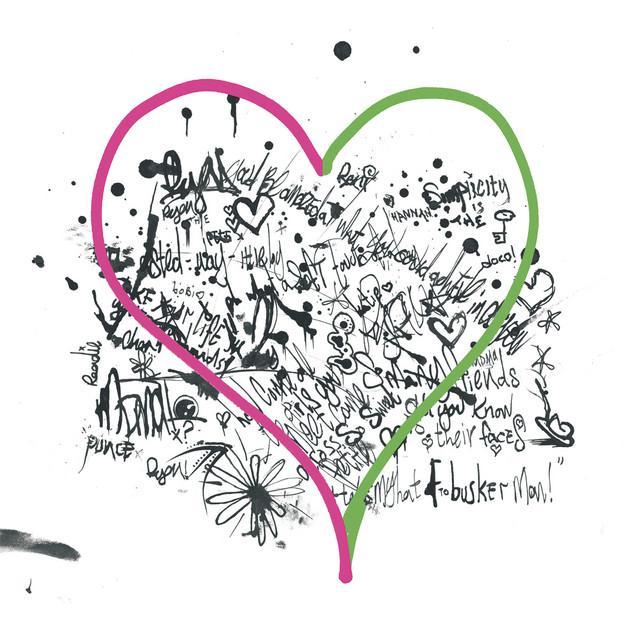
The Dundee band released “Same Jeans” as a single in January 2007, ahead of their debut album Hats Off to the Buskers. It became their biggest hit, reaching No. 3 on the UK chart and later earning Platinum certification in the UK. That success matters to the song’s meaning too: a rough-edged, local, very ordinary story suddenly became widely relatable.
A Scruffy Anthem About Self-Respect
At its core, the song is about walking into a social scene without the polished image everyone else seems to have. The opening idea, same jeans on
, is funny and blunt, but it also sets up the song’s main tension. They know they do not fit the dress code, and they know people will notice.
That is why the line about everyone else dressing up while they are dressing down
matters so much. It is not just fashion. It is class, attitude, and self-presentation. The song captures that feeling of entering a room where they seem underprepared, then deciding not to apologize for it.
Interpretation: the jeans work like a symbol of authenticity. They may look careless, but they also suggest honesty. The song asks whether being real is better than performing coolness.

Watch the official Same Jeans
music video
The Real Conflict Is Inside, Not Outside
For all its swagger, “Same Jeans” is not only cocky. The song repeatedly shows self-doubt. The key question is whether they are humiliating themselves in public or simply refusing to play along.
That is why the mirror section is so important. When the song talks about seeing someone that you don't know
, it shifts from clothes to identity. The narrator is not only worried about what others think. They are also unsettled by their own reflection, as if stress and social pressure have made them feel unfamiliar to themselves.
The answer the song gives is practical, not poetic: pull yourself together and feet back on the ground
. That phrase sums up the worldview of the track. It does not offer a grand cure. It says to steady yourself, keep moving, and do not let one bad spiral define you.
I'm not making a fool of myself
Believe me baby I can tell
This late turn matters because it sounds like self-reassurance more than total certainty. They say they are fine, but they say it with enough force that listeners can hear the earlier anxiety still echoing behind it.
Verse by Verse, the Song Widens Its Focus
The song starts with one night out, but the verses broaden the picture.
First, it frames life as temporary and circular. That thought gives the song a strange depth. A joke about dirty jeans becomes a reminder that image does not matter forever, while friendship and self-worth matter more.
Second, there is the busker. The mention of the busker man
is one of the song’s best details because it honors somebody surviving disappointment through music. The lyric suggests things have not gone to plan, but the person keeps singing anyway. That mirrors the song’s own mood: bruised, proud, and still upbeat.
Third, the later lines admit emotional instability. The song says the mind is not perfect, but sincere. That is a strong summary of the whole track. They are not presenting themselves as stylish, wise, or in control. They are presenting themselves as genuine.
How the Sound Carries the Message
The production helps explain why the song feels so winning instead of heavy. Produced by Owen Morris, “Same Jeans” has the bounce of mid-2000s indie rock but keeps a loose, pub-band energy. The guitars are bright and choppy, the rhythm pushes forward, and the vocal delivery sounds conversational rather than polished.
That looseness is important. A cleaner or more dramatic arrangement might have turned the song into pure angst. Instead, the band make uncertainty feel communal and almost celebratory. The chorus lifts the song without becoming glossy. They sound like young people talking themselves into confidence in real time.
This is part of why American listeners who missed the original UK hype can still connect with it now. The details are local, but the feeling is universal: showing up imperfectly and hoping that is enough.
Artist Context Makes the Song Clearer
The View came from Dundee’s early-2000s indie scene, and their early appeal was tied to energy, accent, and a working-class directness that set them apart from more mannered bands of the era. According to Official Charts, “Same Jeans” remains one of their signature songs.
That context matters because the track is not mocking scruffiness from a distance. They sound like they know this world from the inside. The song’s charm comes from how little it glamorizes itself. It is not about becoming a star. It is about going out, feeling rough, overthinking everything, and still trying to have a life.
A Few Strong Readings of the Song
Interpretation 1: It is an anti-image anthem. The song rejects social performance and says character matters more than appearance.
Interpretation 2: It is about fragile confidence. The repeated claims of not making a fool of themselves suggest someone fighting embarrassment as much as dismissing it.
Interpretation 3: It is a youth snapshot. The disco, mirror, busker, and worn jeans all capture that age when identity feels unstable but intensely important.
Why “Same Jeans” Endures
The meaning of Same Jeans The View lasts because the song understands a common fear: that everyone else looks more ready, more put together, and more certain. Instead of solving that fear, it gives it rhythm, humor, and a little courage.
That is why the track still lands. They turn ordinary embarrassment into a badge of survival. And by the end, scruffy clothes stop looking like failure and start looking like proof that they showed up anyway.
Disclaimer: This interpretation is based on the lyrics, the song’s release context, and documented facts about the single. As with most songs, listeners may hear different meanings in it.







