The Meaning of ‘Real Life’ by The Weeknd, Explained
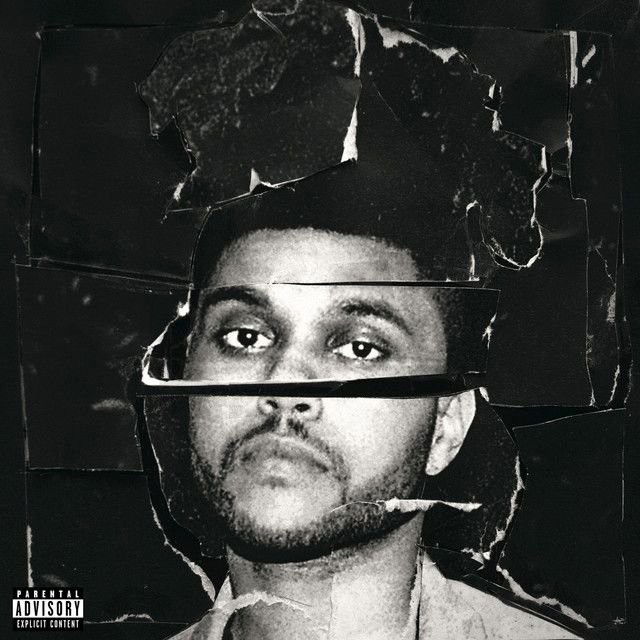
They press play on Beauty Behind the Madness and immediately meet a confession. As the album’s opener, “Real Life” lays out a thesis: desire collides with damage, and the singer refuses to pretend otherwise. For listeners searching the meaning of Real Life The Weeknd, this track is a warning label glued to a broken heart.
"Real Life" - The Weeknd
Tell 'em this heart doesn't stay to one
I'll be the same, never changed for nothing
Loading lyrics...
Unable to load lyrics
We're unable to display the lyrics at this time. Please try again later.
A Confession Framed as a Warning
The first verse declares identity and limitation at once. He says he was meant for loving
but quickly adds that love won’t stick. Interpretation: the narrator believes intimacy is his calling, yet commitment is beyond him.
He also admits patterns he won’t change. The self-portrait is blunt, bordering on fatalistic. He’s not selling growth—he’s selling honesty about the lack of it.

Watch the official Real Life
music video
Who’s Talking, and Who Needs to Hear It?
The voice is first person, addressing a partner and, indirectly, their mother. When he admits this heart doesn’t stay
, he’s leveling with someone who wants more. Interpretation: it’s part confession, part preemptive apology. The mother’s offstage presence functions like a conscience that he can’t ignore.
From Bravado to Bleak Self‑Knowledge: A Quick Timeline
- He opens with swagger—he was
meant for loving
—but undercuts it with limits. - Consequences arrive via family truth:
Mama called me destructive
. That line turns private history into public evidence. - He declares love a risk he won’t take, insisting he doesn’t regret his choices.
- Then comes the stark self-assessment about salvation and worth.
- Finally, he chooses isolation over more harm.
The pivot from cool detachment to moral dread is the song’s engine.
What the Hook Really Says
The recurring phrase real life
reframes everything. Interpretation: the hook insists this isn’t a performance. He’s rejecting fantasy and accepting fallout. In this context, “real life” means living with the damage you’ve done and the love you can’t keep.
The Song’s Dark Heart, In His Own Words
Here the mask drops completely:
Don’t waste precious tears on me
I’m not worth the misery
I’m better off when I’m alone
Interpretation: he believes solitude is kinder than hope. It’s self-protection posing as mercy, and it’s the closest the song comes to redemption—by removing himself, he thinks he spares others.
Symbols and Motifs, Decoded
- Mother as moral mirror: The mother’s warning isn’t just biographical color; it’s a verdict. It gives the confession social weight and history.
- Heaven’s narrow door: When he says
Heaven only lets a few in
, he frames love and life in spiritual stakes. Interpretation: he sees himself as already judged—by God, by fate, or by his own conscience. - Risk and regret: He calls love a gamble he won’t take, then claims he “can’t regret.” Interpretation: denial shields him; admitting regret would require change.
How the Sound Carries the Meaning
Even without liner notes, the production tells a story. The track opens with cinematic weight—dark chords, heavy drums, and a widescreen mix that puts the vocal dead center. As the beat swells, the arrangement mirrors an internal argument: his voice reaches for the heavens while the rhythm pulls him back to earth.
Strings (or synth pads that feel orchestral) add drama, suggesting the stakes are bigger than a breakup. Sub-bass and crisp percussion hit like consequences. The vocal is clean but urgent, selling confession over ornament. Interpretation: the sonic clarity says, “Believe me,” while the booming low end says, “Pay for it.”
Two Plausible Readings of the Ending
- Interpretation 1: Self-awareness as growth. By choosing solitude, he takes responsibility and stops the cycle of harm. It’s a dark but ethical choice.
- Interpretation 2: Self-fulfilling doom. By declaring he’s unworthy, he excuses future damage. “Real life” becomes an alibi for not changing.
Both readings fit because the song keeps the door open. He recognizes the pattern, but he never promises a new one.
Why It Matters in His Catalog
As the first track on a hit-making era, “Real Life” sets boundaries: fame may add shine, but the core subject—desire haunted by guilt—remains. For anyone unpacking the meaning of Real Life The Weeknd, the takeaway is simple and stinging: the truest thing here isn’t romance; it’s responsibility.
Takeaway You Can Feel
“Real Life” sounds huge so the truth can land hard. It’s the sound of a person telling a lover the worst thing first—and asking to be believed.
Note: Song interpretations are subjective and reflect one reading of the lyrics and context.