Why The Wombats' "Can't Say No" Feels So Wild
The meaning of Can't Say No The Wombats comes down to a messy tug-of-war: the thrill of doing something reckless versus the cost of never sitting with real feelings. The song turns that struggle into dark comedy. Its images are loud, absurd, and funny on purpose, but beneath them is a person who keeps chasing chaos because silence feels worse.
"Can't Say No" - The Wombats
And we'll drive it to Belize
Just show me the dotted line
Loading lyrics...
Unable to load lyrics
We're unable to display the lyrics at this time. Please try again later.
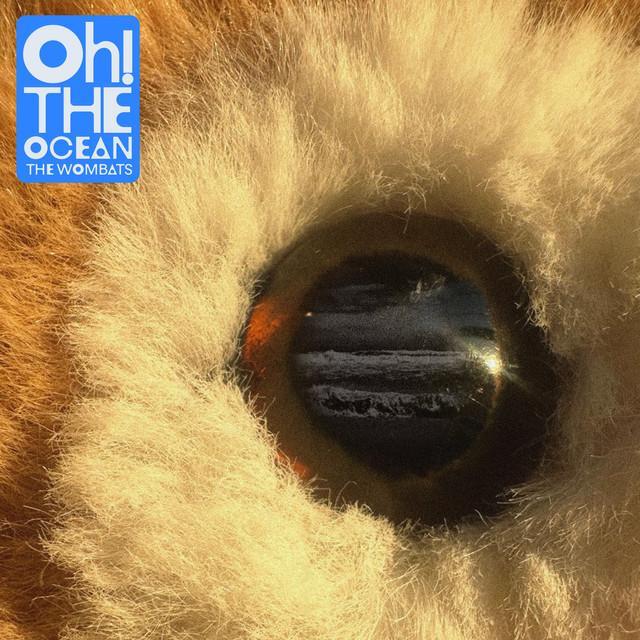
According to Songfacts, the track appears on Oh! The Ocean (2025) and was produced by John Congleton after a long writing history. Matthew Murphy said parts of it dated back years, with the chorus rewritten shortly before recording. That backstory matters because the final version sounds sharpened: older verses full of impulsive fantasy now meet a chorus that states the real problem more clearly.
The Real Heart of the Song
On the surface, the song is a chain of bad ideas. The narrator invites someone into one outrageous plan after another, from escape fantasies to petty crime to drunken chaos. But those scenes are not really about geography, money, or rebellion. They show a mind that is addicted to motion.
Interpretation: the song is less about breaking rules than about avoiding stillness. When the lyric says can't say no
, it does not sound proud. It sounds trapped. The speaker knows the choices are ridiculous, yet keeps running toward them anyway.
That idea becomes clearer in the chorus, where they admit they would rather create distraction than face what they feel. The phrase increase the noise
is a strong clue. Noise here is not just sound. It stands for activity, drama, intoxication, risk, and anything else that drowns out self-awareness.
Chaos as Emotional Escape
One of the smartest things in the song is how exaggerated the verses are. The plans are so over-the-top that they almost play like cartoons. That gives the track its humor, but it also reveals a deeper truth: when people are spiraling, even terrible ideas can start to feel exciting.
Murphy explained the song in similar terms. Songfacts quotes him describing an urge to escape and to switch his brain off. He also told BBC Radio 1, as summarized there, that he had been living not in the moment but for the moment, treating each rush like it might be the last. That distinction helps unlock the song.
What the Verses Are Really Doing
The verses keep piling up impulsive actions because escalation is the point. Each image is more reckless than the last, which mirrors how self-destructive habits often work. One thrill stops being enough, so the next one has to be louder.
A few short phrases show that pattern. drive it to Belize
suggests fantasy and flight. show me the dotted line
suggests blind commitment. throw a bender
turns release into spectacle. None of these ideas are presented as stable plans. They are sudden sparks, all appetite and no future.
A Quick Narrative Map
- The song opens with escape fantasies and reckless invitations.
- It moves into darker, more antisocial images.
- The chorus reveals the motive: avoiding emotion through noise.
- The later lines admit the future is uncertain, but the habit remains.
That final turn matters. The speaker does not claim control. They basically admit they know how this ends and still cannot stop.
Why the Chorus Hits Harder Than the Joke
The chorus reframes everything before it. Without it, the song could sound like pure mischief. With it, the song becomes sadder and more revealing.
We try to sit still and feel it all
But we'd rather run away than feel at all
This is the emotional center of the track. In just a few lines, The Wombats expose the real conflict: feeling everything is hard, but feeling nothing through distraction is easier in the short term. That is why the song lands beyond its humor.
Interpretation: the repeated refusal is not freedom. It is compulsion. The song recognizes how people can mistake impulsiveness for vitality when it is really a defense against discomfort.
How the Sound Sells the Meaning
The music supports that reading. The Wombats are known for indie rock that mixes bounce with anxiety, and this song fits that pattern. Even without quoting the full arrangement in technical detail, listeners can hear the contrast: energetic momentum carries lyrics about emptiness and bad judgment.
That tension is a big part of why the song works. Congleton's production, noted by Songfacts, likely helps sharpen the edges. His work often gives rock songs punch without sanding down their unease. Here, the brisk feel keeps the listener moving forward just like the narrator does, even as the words suggest the movement is unhealthy.
Context Inside Oh! The Ocean
Placed on Oh! The Ocean, the song also gains extra meaning. The album title points to awe, reflection, and altered perspective; Songfacts notes Murphy described the ocean as a transformative image during the album's creation. Against that backdrop, "Can't Say No" feels like the opposite state: not wonder, but restlessness.
In other words, if the album reaches for clarity, this track documents the old habits that block it. It is the buzz before the quiet.
Final Take on the Meaning
So, what is the meaning of Can't Say No The Wombats? It is a song about compulsive escape. Its wild scenes are entertaining, but they point to something heavier: a person who fills inner emptiness with speed, risk, and noise because stopping would mean facing themselves.
That is why the song is catchy and uncomfortable at the same time. The Wombats make recklessness sound fun, then show how thin that fun really is.
Disclaimer: This interpretation is based on the released lyrics, publicly available artist comments, and musical context. Like most songs, it can support more than one reading.







