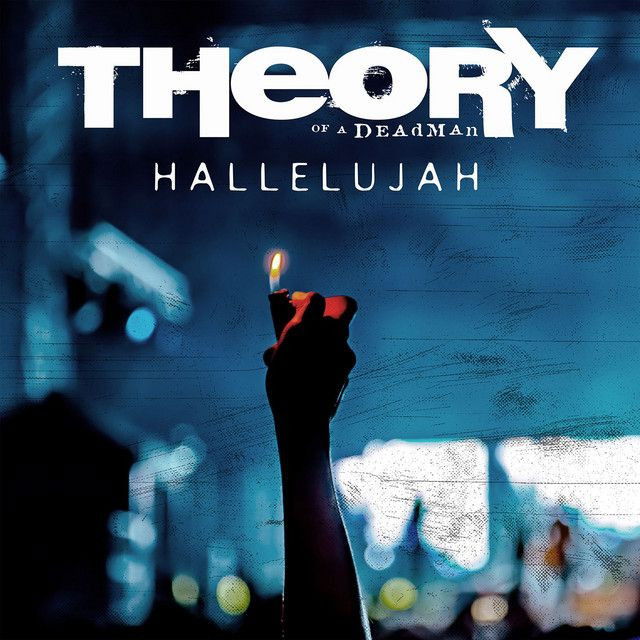
Hallelujah by Theory of a Deadman
Why This Cover Hits So Hard
The meaning of Hallelujah Theory of a Deadman starts with grief, tribute, and humility. Theory of a Deadman released their version in November 2016, just days after Leonard Cohen died, framing it as a memorial gesture rather than a reinvention. That context matters. They are a Canadian rock band known for radio-ready hard rock and post-grunge, but they also have an acoustic side, as seen in releases like Angel EP. Here, they strip their sound back and let the song’s emotional weight lead.
"Hallelujah" - Theory of a Deadman
That David played and it pleased the Lord
But you don't really care for music, do you?
Loading lyrics...
Unable to load lyrics
We're unable to display the lyrics at this time. Please try again later.
Factually, this is Leonard Cohen’s song, not the band’s original composition. Their role is as interpreters. In that sense, their version asks a simple question: how do rock musicians approach a song that is already sacred to many listeners? Their answer is restraint.

Watch the official Hallelujah
music video
The Core Meaning Beneath the Chorus
At its heart, this song is about the meeting point of faith, desire, heartbreak, and doubt. The repeated word Hallelujah
sounds like praise, but the verses keep complicating that idea. Instead of pure joy, the song presents praise that survives confusion, loss, and damage.
Interpretation: In Theory of a Deadman’s cover, that tension feels especially clear. Their performance leans into the idea that spiritual language can carry pain as easily as hope. The song is not saying belief is simple. It suggests that even wounded people still reach for meaning.
One of the key lines refers to a secret chord
. Paraphrased, the song opens by linking music itself to the divine, as if art can briefly touch something bigger. But it quickly undercuts certainty. The listener is told that not everyone even cares for the music. That contrast sets up the whole song: transcendence is possible, but never secure.
Sacred Stories, Human Weakness
The verses draw on biblical imagery, but they use those stories to talk about ordinary human weakness. A strong example is the phrase your faith was strong
. The idea is not that faith guarantees safety. Instead, the song shows a person who believes, then gets pulled off course by beauty, longing, and vulnerability.
There is also imagery tied to power being undone. The song describes a fall from confidence into exposure and dependence. In plain terms, love and desire make powerful people fragile. That is why the song moves so well between religious and romantic language. It treats both as forces that can remake a person.
love is not a victory march
cold and broken Hallelujah
Those two short lines carry the song’s emotional center. Paraphrased, they reject the fantasy that love is clean, heroic, or easy. Instead, love leaves bruises, and yet the speaker still offers a kind of praise. That is the paradox: brokenness does not cancel the hallelujah; it changes what the word means.
Who They Seem to Be Singing To
The narrator shifts over the course of the song. Sometimes they sound like a storyteller, describing ancient examples. Other times they sound like someone speaking directly to a former lover. That blend gives the song its unusual force.
Interpretation: Theory of a Deadman’s version highlights this personal side more than the mythic side. Tyler Connolly’s vocal delivery is controlled and close, which makes the song feel less like a sermon and more like a confession. When the lyrics suggest they have been here before
, the feeling is weary rather than dramatic. They seem to be singing from experience, not theory.
That matters because the song is not just about religion. It is also about repetition: repeated mistakes, repeated heartbreak, repeated attempts to find meaning after disappointment.
How the Sound Supports the Message
Theory of a Deadman built its career on loud guitars, strong hooks, and modern rock polish. According to their band history, they formed in 1999 and went on to place multiple songs in the Billboard Mainstream Rock top ten, with four No. 1 hits in the U.S. on that format, as summarized by band history. That background makes the softness of this recording more striking.
This cover relies on gentle pacing, spacious production, and a vocal line that avoids oversinging. The arrangement gives the words room to breathe. There is no need to force drama because the song already contains it.
Interpretation: That production choice fits the meaning of Hallelujah Theory of a Deadman very well. A bombastic version might turn the song into a triumph. Their quieter approach keeps it unresolved. The listener hears sadness, reverence, and fatigue all at once.
Why the Tribute Context Changes the Meaning
Because this version arrived right after Cohen’s death, many listeners heard it through mourning. Reception of any cover depends on timing, and this timing made the song feel communal. It was not only about the narrator’s pain. It also became a public farewell to the songwriter.
That context deepens another important phrase: Maybe there's a God above
. Paraphrased, the song does not offer easy answers about heaven, justice, or certainty. In a tribute setting, that ambiguity feels honest. Rather than pretending grief makes everything clear, the song leaves room for questions.
Final Take on the Song’s Message
The meaning of Hallelujah Theory of a Deadman is not simple praise. It is praise that has survived doubt. It is a song about people who keep singing even when faith, love, and certainty have all cracked.
Theory of a Deadman do not radically rewrite Cohen’s classic. They honor it by staying close to its wounds. Their cover works because they understand that the word Hallelujah
can sound hopeful and heartbroken at the same time.
Disclaimer: This interpretation separates factual background from informed reading. Like many classic songs, “Hallelujah” remains open to more than one valid meaning.








