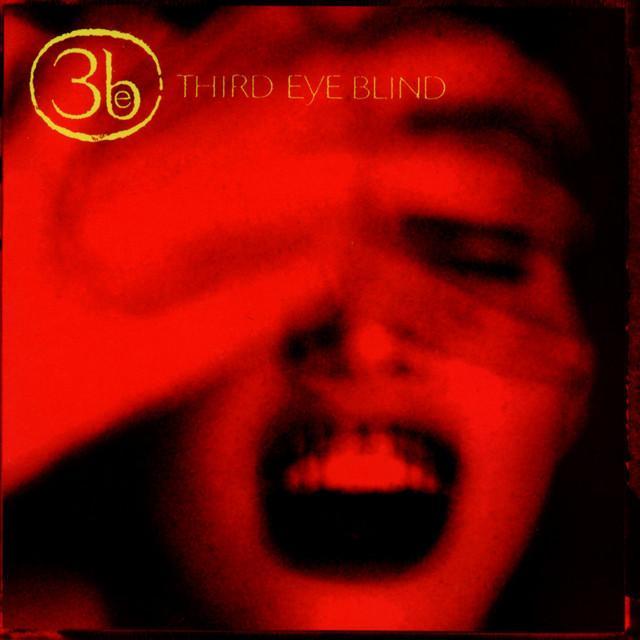
Why "Graduate" by Third Eye Blind Still Hits
The meaning of Graduate Third Eye Blind comes down to one sharp feeling: being tired of waiting for someone else to approve their life. On the surface, the title sounds like a school song. In practice, it is a loud, sarcastic protest against authority, humiliation, and stagnation.
"Graduate" - Third Eye Blind
Can I graduate?
Can I look at faces that I meet?
Loading lyrics...
Unable to load lyrics
We're unable to display the lyrics at this time. Please try again later.
Released in 1997 as a single from the band's self-titled debut, Graduate arrived during Third Eye Blind's breakout year. It followed Semi-Charmed Life and was written by Stephan Jenkins and Kevin Cadogan, with Jenkins and Eric Valentine producing. According to widely cited reference sources, Jenkins later explained that the song grew out of the band's experience of getting signed and still feeling trapped in front of label executives. That context matters because it turns the chorus from a school joke into a challenge.
A Chorus That Sounds Like a Question
The hook repeats Can I graduate?
, but the song does not sound humble. It sounds annoyed, even mocking. The repeated line acts like a fake request. They seem to ask permission while clearly resenting the fact that permission is being demanded at all.
Interpretation: this is the song's smartest move. The chorus stages a power imbalance, then exposes how ridiculous it feels. The narrator is not really asking to move on; they are showing how insulting it is to be treated like a kid who still needs a grade.
That reading lines up with Jenkins' own explanation that the song was about the post-signing process and the feeling of standing in front of some label suit
asking for approval. In that sense, graduation means outgrowing control.
Watch the official Graduate
music video
The Verses Turn Frustration Into Motion
The verses fill in the emotional texture. When the song asks whether they can look at faces that I meet
, it suggests shame, insecurity, or social exhaustion. They want to re-enter the world without feeling judged. Then the line about getting their punk-ass off the street
pushes that feeling further. It is crude, funny, and desperate at once.
These details make the song feel less like abstract rebellion and more like a person trying to escape a dead-end condition. They are broke, blocked, or at least emotionally cornered. And instead of quietly enduring it, they want to smash the setup.
Another key image is the attack on the person talking down to me
. That phrase is simple, but it defines the conflict. The enemy is not one specific villain. It is anyone who turns adulthood, art, or ambition into a system of permission.
More Than Industry Anger
Even with the label-story context, the song works because it reaches beyond the music business. Plenty of listeners hear it as a broader anthem about growing up. Songfacts summarizes that metaphor clearly, describing the graduation idea as a desire to become successful and move past immaturity.
Interpretation: the song can be heard in at least two ways:
- Industry reading: they are confronting record-label power and refusing to perform obedience.
- Life-stage reading: they are trying to outgrow drift, embarrassment, and dependence.
Those two meanings support each other. In both versions, the speaker wants adulthood without being patronized.
The Strange Images Add Weariness
Some lines in Graduate are blurry on purpose. Phrases about fading echoes, slow motion, and selling out create a dreamlike haze. Instead of telling a neat story, the song jumps between snapshots of burnout, temptation, and disgust.
That loose structure fits the theme. When someone feels trapped, their thoughts often jump around. They fixate on insults, replay memories, imagine escape, and wonder what will last.
The biggest example is the line about whether the song itself might outlive them. That idea suddenly widens the frame. Beneath all the sarcasm, there is fear: maybe they will disappear before their voice matters.
Will this song live onlong after we do?
Those lines are not just grand or poetic. They reveal insecurity under the bravado. The narrator wants freedom, but also proof that the struggle means something.
Why the Sound Feels So Impatient
The production helps carry the message. Reference sources list the song in D major at about 141 beats per minute, and that fast clip matters. The track moves with a tense, driving pulse rather than a reflective groove.
The guitars are bright and aggressive, the drums push hard, and Jenkins sings with a clipped, almost taunting urgency. Nothing about the performance sounds settled. Even when the melody is catchy, the delivery feels like it is leaning forward, ready to burst.
That combination is central to the meaning of Graduate Third Eye Blind. If the song were slower, it might sound sad or nostalgic. Instead, it sounds cornered and combative. The band turns anxiety into motion.
Why It Lasted Beyond the 1990s
Graduate was not the band's biggest hit, but it still made a mark, reaching No. 14 on Billboard's Alternative Airplay chart and staying alive through film placement, game inclusion, and live shows. Its staying power makes sense.
The song captures a very common adult feeling: being old enough to know better, yet still forced to ask for access, money, respect, or legitimacy. That feeling does not disappear after high school or after a first big break. It keeps returning.
So the song lasts because its title joke hides a serious truth. They are not asking whether they passed. They are asking how long anyone has to keep proving they deserve control over their own life.
Final Take on the Song's Core Message
At its heart, Graduate is about refusing infantilization. It uses school language to attack systems that keep ambitious people small, obedient, and insecure.
Interpretation: whether listeners hear it as a music-industry song, a coming-of-age rant, or both, the emotional center stays the same. They want out. They want dignity. And they are done waiting for permission.
Disclaimer: This interpretation combines documented artist comments with close reading of the lyrics and sound. As with most songs, listeners may hear meanings that differ from the artist's stated intent.








