Why This Three Days Grace Hit Still Burns
The meaning of I Hate Everything About You Three Days Grace comes down to one sharp idea: being unable to let go of something that clearly hurts them. The song sounds like a breakup anthem on first listen, but its real power is broader. It captures the ugly middle space where love, anger, habit, and dependence all exist at once.
"I Hate Everything About You" - Three Days Grace
After every hit we take
Every feeling that I get
Loading lyrics...
Unable to load lyrics
We're unable to display the lyrics at this time. Please try again later.
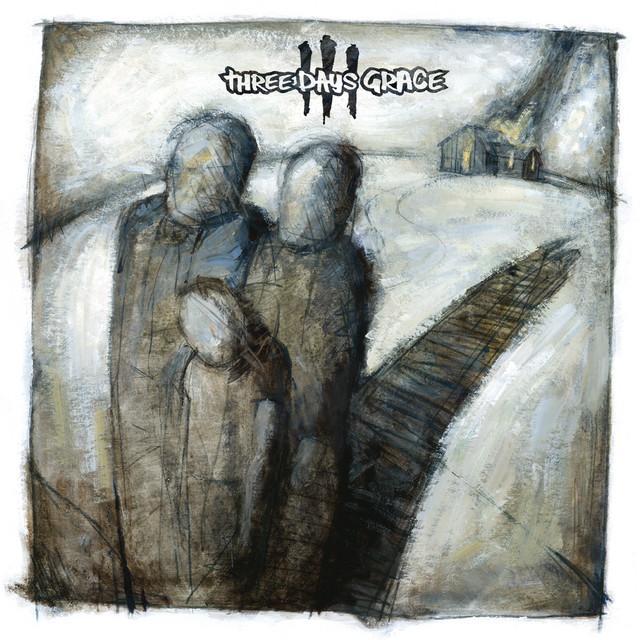
Released in 2003 as the lead single from Three Days Grace, the track helped introduce the band to a wide rock audience and became one of their defining songs. It reached No. 55 on the Billboard Hot 100 and became a major rock-radio hit, later passing one billion Spotify streams in 2025, according to widely cited chart and certification data summarized by reference sources.
A Love-Hate Hook With a Wider Meaning
At the center of the song is the famous contradiction: I hate everything about you
and Why do I love you?
They do not just describe a messy romance. They express a bigger emotional trap: knowing something feels wrong, while still feeling pulled toward it.
That broader reading is supported by Adam Gontier’s own comments. He said the song was about realizing there is something in life they are wasting time on, whether that is a person, a relationship, or something else unhealthy. In other words, the song names a feeling before it names a specific cause.
Interpretation: That is why so many listeners connect it to different situations. Some hear a toxic partner. Others hear addiction, family conflict, or self-destructive attachment. The writing stays simple enough to hold all of those meanings at once.

Watch the official I Hate Everything About You
music video
The Verses Show the Damage in Small Details
The verses do not use complex imagery. Instead, they pile up signs of strain: sleepless nights, emotional fallout, and the sense that other people can hear the chaos too. A phrase like lie awake
suggests a relationship that never truly rests.
Another detail, sigh and scream
, makes the conflict feel public and repetitive. This is not one dramatic fight. It is a pattern.
The key emotional twist comes when the singer admits they have not fully missed the other person yet. Then the song adds a crucial thought: Only when I stop to think
. That line suggests the attachment is partly automatic. Day to day, they may function. But once reflection starts, the emotional bond rushes back in.
Why the Chorus Feels So Explosive
The chorus is blunt, and that bluntness is exactly why it works. Critics have noted that the song seems simple on the surface, yet the contrast between restrained verses and eruptive choruses gives it depth. The hook sounds almost childish in its directness, but emotionally it feels true.
That matters for the meaning of I Hate Everything About You Three Days Grace because contradiction is the whole point. The song does not try to solve the conflict. It just states it in the clearest possible way.
I hate everything about youWhy do I love you?
In two short lines, the band turns confusion into an anthem. They are not making a calm argument. They are exposing a split feeling that many people are embarrassed to admit.
Sound and Production Mirror the Emotional Push-Pull
The music helps carry that tension. The song blends post-grunge weight with alternative metal punch, and its structure mirrors the lyrics. The verses feel tight and controlled, while the chorus opens into a heavier release.
That dynamic creates a push-pull effect: hold back, then explode. It sounds like resentment building until it can no longer stay contained.
Production details also matter. Gavin Brown produced the track, and reports on the recording note that the opening riff came from an acoustic part processed for the final version. That rough-edged texture gives the song a human, irritated feel rather than a polished one. The result is music that sounds trapped between intimacy and aggression.
More Than a Breakup Song
A lot of listeners file the track under toxic relationship songs, and that reading fits. The lyrics clearly show mutual hostility, especially when the perspective widens to You hate everything about me
. The conflict is not one-sided.
Still, the song lasts because it leaves room for other meanings. Gontier said people related to it in their own ways, and that openness seems intentional. The “you” in the song can be a lover, but it can also stand for a habit, a damaging social circle, or any force they know they should leave behind.
Why listeners keep returning to it
- It names emotional contradiction without dressing it up.
- It feels personal but not overly specific.
- Its loud-soft dynamics make the feeling physical.
- The hook is simple enough to remember and heavy enough to feel.
Why It Still Connects Decades Later
Part of the song’s staying power is that it refuses easy closure. There is no clean lesson at the end. They are still stuck inside the contradiction.
That makes the song feel honest. Many people do not leave harmful situations the moment they recognize them. They linger, doubt themselves, go back, and feel ashamed of the pull. This song gives that cycle a voice without pretending it is noble.
In the end, the meaning of I Hate Everything About You Three Days Grace is not just hatred or love. It is the shock of feeling both at once. That tension, paired with a hard-edged radio-rock sound, is what made the song a breakout hit and why it still lands today.
Interpretation disclaimer: Song meaning can vary by listener. This article separates known facts about the song from interpretation, and some readers may connect the lyrics to different experiences.