Why "Bury Me a G" Hits So Hard
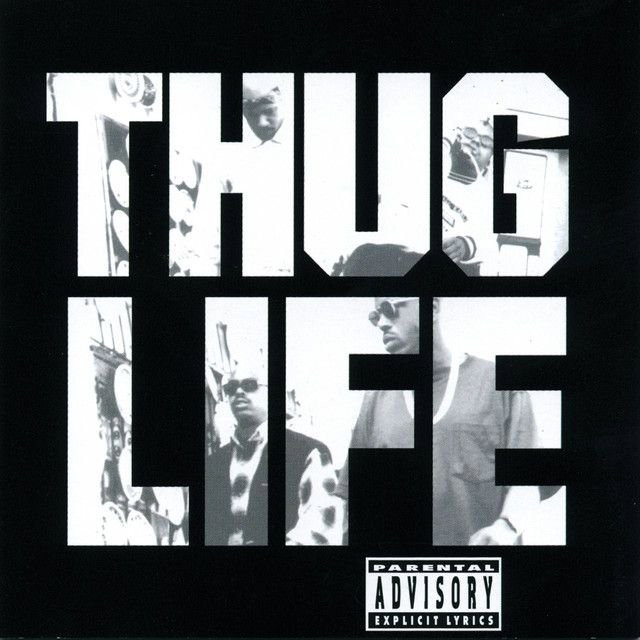
The meaning of Bury Me A G Thug Life, Natasha Walker starts with a contradiction: the song sounds proud, but it is built around fear, pressure, and the expectation of an early death. As the opening track on Thug Life, Volume I, released in 1994, it introduces the group’s world in blunt terms. Factually, the song features Natasha Walker of Y.N.V., runs 4:58, and is credited to 2Pac and collaborators including Diron Rivers, Tyruss Himes, Rated R, and Maurice Harding, with production by Thug Music.
"Bury Me A G" - Thug Life, Natasha Walker
Thug Life
You feel me?
Loading lyrics...
Unable to load lyrics
We're unable to display the lyrics at this time. Please try again later.
What makes the record memorable is not just its aggression. It is the way toughness becomes a survival language. The song presents the street code as both armor and trap.
The Core Message Beneath the Swagger
At the center of the song is a simple idea: the narrator believes death is always nearby, so they would rather be remembered with status than pity. When the chorus circles back to bury me a G
, it is not just a cool phrase. It is a demand for dignity in a life shaped by danger.
Interpretation: The song is less a celebration of crime than a portrait of what happens when someone feels locked into that role. The verses keep linking money, violence, respect, and exhaustion. They chase riches because poverty feels worse, yet that chase creates the same risks that may kill them.
Natasha Walker’s hook matters here. Her smoother voice softens the edges just enough to make the fatalism feel sad, not triumphant. That contrast gives the song its emotional weight.

Watch the official Bury Me A G
music video
A Voice Looking Back While Still in Motion
One striking feature is how often the song looks backward. Early on, the narrator is reminiscin' on my teens
, tracing a path from youth into hustling. That memory is important because it frames the lifestyle as learned behavior, not random chaos.
They describe nights that stretch until morning, always alert, always armed, always trying to stay ahead. The details make the song feel lived-in. This is not abstract gangster imagery. It is routine: long hours, cash, alcohol, suspicion, and the sense that one mistake can end everything.
The Story Unfolds in Stages
The narrative moves in a rough cycle:
- A younger self enters the street economy.
- Success brings money and a reputation.
- Violence and betrayal become normal risks.
- Death becomes part of the mental landscape.
- The chorus turns that fear into a public code of honor.
That structure explains why the track feels relentless. There is motion, but very little progress.
What the Chorus Really Reveals
The hook is easy to remember because it strips the worldview down to its essentials. The line Mama, don't cry
tries to comfort, but it also admits that loss is expected. That is one of the song’s most revealing tensions.
Even when I die
Mama, don't cry
bury me a G
In plain terms, the chorus says: if this life ends badly, do not mourn the way society wants. Honor the identity they built. Interpretation: This is both brave and heartbreaking. It sounds fearless, yet it also shows someone preparing loved ones for a future they think is likely.
The repeated focus on riches and emotional detachment adds another layer. When the song says mind on my ... riches
, it suggests survival has narrowed their world. Relationships, tenderness, and long-term hope get pushed aside.
Street Code, Gender, and Emotional Numbness
Some of the song’s harshest lines are about women. Those moments are part of the persona the record builds: detached, distrustful, and focused on money first. That language can feel ugly because it is meant to show emotional hardening.
Interpretation: Rather than reading those lines as the whole message, it makes more sense to see them as evidence of a damaged worldview. The same person who talks big also sounds unable to trust anyone. In that way, misogyny in the song is tied to a broader emotional shutdown.
The same pattern appears with violence. The song uses threats and weapon imagery to project strength, but under that posture is constant vulnerability. They act invincible because they do not feel safe.
How the Production Carries the Meaning
Production does a lot of hidden storytelling here. Thug Life, Volume I is often placed within gangsta rap and G-funk, and critics noticed how hard lyrics sat over surprisingly melodic backings. On Bury Me a G
, that contrast is crucial.
The beat is heavy but not frantic. It leaves room for the verses to sound reflective as well as menacing. Natasha Walker’s sung refrain adds a mournful, almost ceremonial feeling, turning the chorus into something like a street prayer.
That balance fits the album’s wider context. According to the album’s release history, the project was heavily shaped before release, with songs removed for controversy. Even so, this opener survived as a strong statement of the group’s identity: grim, direct, but more thoughtful than its surface shock suggests.
Why the Song Still Connects
Part of the reason the song lasts is that it captures a mindset more than a plot. Listeners do not need to share the lifestyle to understand the pressure behind it. The need for respect, the fear of dying young, and the habit of masking pain with bravado are all human themes.
For 2Pac especially, this track also fits a larger pattern in his writing. He often mixed pride with vulnerability and social damage with self-mythology. Here, those elements are tightly packed into one song. It opens the album with force, but also with dread.
Final Take on Its Meaning
So, what is the meaning of Bury Me A G Thug Life, Natasha Walker? At its deepest level, the song is about turning fear into identity. It shows a person who expects violence, clings to status, and asks to be remembered on their own terms.
That is why the record feels bigger than a simple street anthem. It is about survival, image, and grief happening at the same time.
Disclaimer: This interpretation is based on the lyrics, performance, and documented release context. As with any song, listeners may hear different meanings in the same lines.







