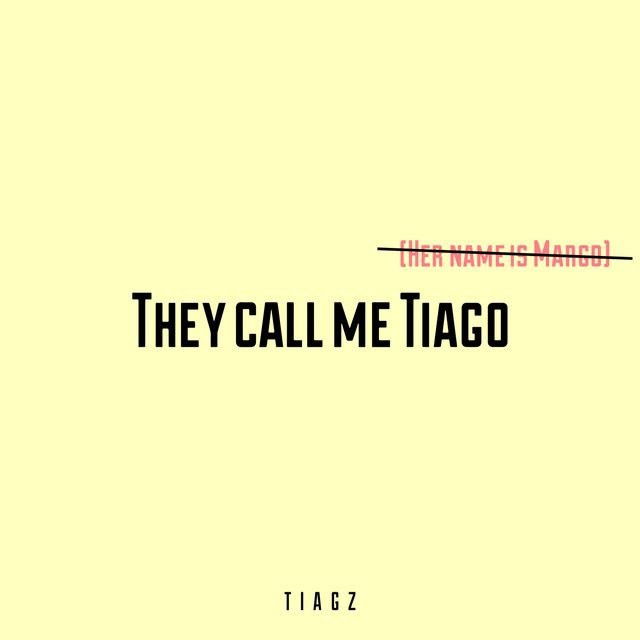
Why ‘They Call Me Tiago’ Became an Identity Anthem
They turn a simple name mix-up into a mission statement. The song takes a viral-ready joke and flips it into a claim of identity, hustle, and self-direction. If you’re searching for the meaning of They Call Me Tiago (Her Name Is Margo) Tiagz, here’s how the hook, verses, and sound all line up.
"They Call Me Tiago (Her Name Is Margo)" - Tiagz
Margo?
Not Marco or mango, Wells Far'
Loading lyrics...
Unable to load lyrics
We're unable to display the lyrics at this time. Please try again later.
The Hook That Corrects—and Brands
The chorus opens by correcting who the artist is: They call me Tiago
and I don't know who's Margo
. The idea is clear before and after the lines: don’t confuse the name, and don’t mistake the artist.
Interpretation: They use the confusion as free branding. By repeating the correction, they train listeners to remember the name. It’s funny, but it’s also a serious boundary—identity first, trends second.
Watch the official They Call Me Tiago (Her Name Is Margo)
music video
Luck Meets Labor: What the Chorus Really Signals
The refrain adds momentum with I just hit this lotto
and building up my cargo
. The first phrase frames a breakout moment—viral attention, a deal, or new money. The second turns that moment into a plan: keep stacking work, songs, and value.
Interpretation: “Lotto” is the spark; “cargo” is the follow-through. They want listeners to see a difference between a flash of success and a system that keeps paying off. The hook promises they will move, deliver, and grow.
Voice, Audience, and the Hustle Underneath
They speak in first person to a general crowd—fans, skeptics, and the curious. Lines like behind the scenes is so lit
nod to the energy of making content, but also to unseen labor. When they say they’re on a different wave
, it’s a pledge to stay in their lane and keep it simple, sticky, and repeatable.
Another key image contrasts appearance and effort: people see the shine, but not the grind. That tension runs through the track: attention is loud; work is quiet. They show pride without pretending the path was easy.
Five Beats in the Story of a Breakout
- Misnaming sparks a hook. The joke sets the stage for a declaration of identity.
- A lucky break follows. The “lotto” moment suggests a sudden pop of visibility.
- The plan kicks in. “Cargo” becomes code for catalog, savings, and output.
- Confidence builds through forward motion: go, deliver, repeat.
- A turning point arrives, captured in a short burst of lines:
Stop, what was I waiting for? I'ma take over It's a game over Don't even bother
Interpretation: This four-line push flips hesitation into action. It’s less a threat than a mindset: act now, own the lane, don’t look back.
Symbols and Motifs That Do the Work
- Name confusion: Not just a gag—an origin story for branding.
- Lotto: Quick luck that invites discipline.
- Cargo: Physical weight as a metaphor for stacked songs and earnings.
- Waves and lanes: Independence, niche focus, and algorithm awareness.
- Surface vs. depth: Listeners see the “ice,” not what’s underneath—clout versus craft.
Together, these images frame a creator who moves fast but stays practical. They laugh, but they also keep receipts.
How the Sound Sells the Message
The production leans minimal and bouncy. Snappy drums, tight low-end, and a loop-friendly synth leave room for the voice. The hook repeats often, with ad‑libs that punch the beat and make each phrase meme-ready.
Interpretation: The structure is built for short-form video. Phrases hit cleanly at bar lines, so any 10–15 second slice feels complete. That’s why the chorus doubles as a catchphrase: it explains the artist and invites a skit, lip‑sync, or joke.
Alternate Reads Fans Hear
- Comedy-first: Some hear it mainly as a skit-on-a-beat. The cold open and quippy lines make the misnaming bit the star.
- Brand-first: Others hear a content creator’s playbook—correct the name, show the work, and keep the output moving. In this read, the humor is the hook, but the real point is control.
Both interpretations fit. The track thrives because it can be a punchline and a plan.
Credits and Context That Matter
Fact: The song was written by Tiago Garcia‑Arenas (Tiagz). It spread in the TikTok era, where fast hooks and tight loops travel faster than full verses. That ecosystem shapes the meaning: the song talks about identity and hustle, and it’s also engineered to test those ideas in real time, one clip at a time.
Bottom Line Takeaway
They turn a mix-up into momentum. The chorus claims the name, the verses prove the grind, and the beat keeps it all portable. In a few sticky lines, they sketch a modern creator’s path: be clear about who you are, stack your wins, and keep going.
Disclaimer: Song meanings are interpretive and may vary by listener. This analysis draws on lyrics, sound, and public context, not the artist’s private intent.









