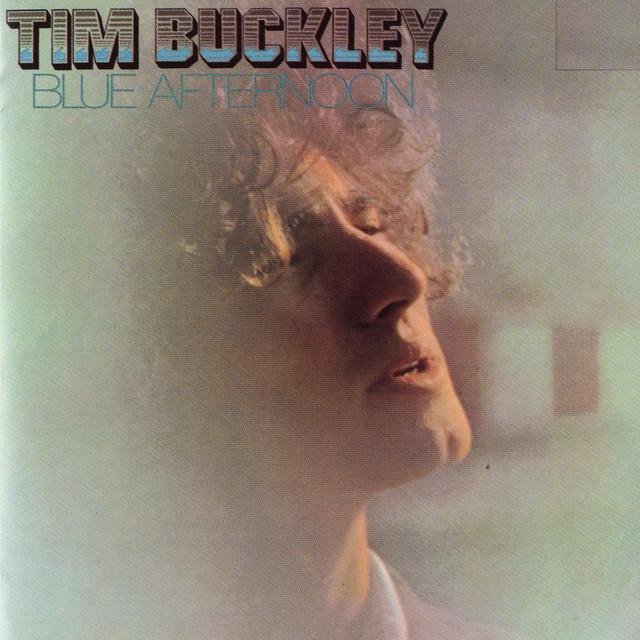
What "Happy Time" Says About Peace
The meaning of Happy Time Tim Buckley starts with a simple idea: real happiness comes from inside, especially in the act of making music. But the song does not stay simple for long. Under its gentle surface, it also talks about fame, longing, and the wish to return to something honest.
"Happy Time" - Tim Buckley
When a melody does find a rhyme
Says to me I'm comin' home to stay
Loading lyrics...
Unable to load lyrics
We're unable to display the lyrics at this time. Please try again later.
Tim Buckley wrote the song himself, and it is widely associated with his late-1960s folk-rock period, when his writing often blended intimacy with spiritual and emotional searching. That broader career arc is documented by sources such as AllMusic and Buckley’s official site. Even without a lot of plot, “Happy Time” feels personal, as if they are letting listeners hear the quiet thoughts behind the performance.
A Joy That Begins in the Mind
The opening idea is direct: happiness appears when art clicks into place. The line happy time inside my mind
links joy to inner life, not outside rewards. Right away, the song suggests that melody and rhyme are more than craft tools. They become signs of emotional alignment.
That is why the repeated thought of home to stay
matters so much. Interpretation: “Home” likely works as a symbol. It may mean literal return, but it can also mean peace, belonging, or the moment when the artist feels fully themselves.
This makes the song feel warm and calm, but not naive. Their happiness is hard-won. It arrives through creativity, as if songwriting gives shape to feelings that would otherwise remain unsettled.

Watch the official Happy Time
music video
The Quiet Critique Hidden in the Middle
The most striking turn in the lyric comes when the song shifts from inner peace to public recognition. Buckley points to the old pattern of chasing attention and status, then shrugs at how cheap that can become. When they mention fame
and call it such a shame
, the song briefly steps back from romance and enters artistic self-defense.
This is where the meaning of Happy Time Tim Buckley becomes richer. The singer is not rejecting music. They are rejecting what the world can do to music. The complaint is not that songs fail, but that people may misuse the singer’s name or flatten art into commodity.
Interpretation: This section can be heard as a response to the tension many artists feel. Public success promises validation, yet it can also steal privacy and distort purpose. In that reading, “Happy Time” protects the private spark that existed before the marketplace got involved.
Love, Distance, and a Promise to Return
Even with its comments on fame, the song stays intimate. The speaker says they are moving on, but not forever. The emotional center is not ambition. It is connection.
That becomes clearest near the end, when the voice turns tender with Sleep late now mama
and describes the singer being away. This small domestic image changes the whole song. It suggests that behind the artistic reflection, there is a real relationship, a person left in bed while the singer travels or works.
The result is a layered portrait:
- They feel alive through songwriting.
- They distrust empty fame.
- They still ache for closeness and return.
That balance keeps the song from becoming abstract. It is not just about art. It is about the cost of living as an artist.
How the Sound Supports the Message
“Happy Time” is often described within Buckley’s folk-rock style, and that matters because the arrangement does not overwhelm the lyric. As noted in overviews of his catalog from AllMusic, Buckley’s recordings from this era often rely on expressive vocals, melodic openness, and a balance between folk intimacy and broader rock textures.
Here, the relaxed pace and soft melodic motion help the words land like a confession. The tune feels easy, but there is a little ache inside it. That musical tension mirrors the lyric’s split between peace and unease.
Their vocal delivery is especially important. Buckley sings with tenderness rather than force, which makes the repeated return to “home” sound earned. The performance does not announce a grand revelation. It sounds like someone discovering, in real time, what matters most.
Two Strong Readings of the Song
There is more than one valid way to hear “Happy Time.”
Reading One: A Song About Creative Fulfillment
In this reading, the main story is inward. Happiness arrives when melody and rhyme fall into place. The song becomes a defense of creation itself, with fame presented as a distraction from the real reward.
Reading Two: A Song About Leaving and Returning
In this version, the “home” language and the final affectionate address matter most. The song becomes about temporary separation from a loved one, with music serving as the emotional bridge that carries them back.
Both readings fit the words. In fact, the song works best when heard as both at once.
Why the Song Still Connects
What makes “Happy Time” last is its modesty. It does not oversell its wisdom. Instead, it quietly argues that joy, love, and artistic truth are connected.
For listeners searching for the meaning of Happy Time Tim Buckley, that is the clearest takeaway: the song treats music as a path back to the self, while warning that fame can pull that self apart. Its gentleness is exactly what gives it force.
Disclaimer: This interpretation is based on the lyrics, performance, and available artist context. As with many songs, listeners may reasonably hear different meanings in it.








