Why “Mad World” Still Feels So Unsettling
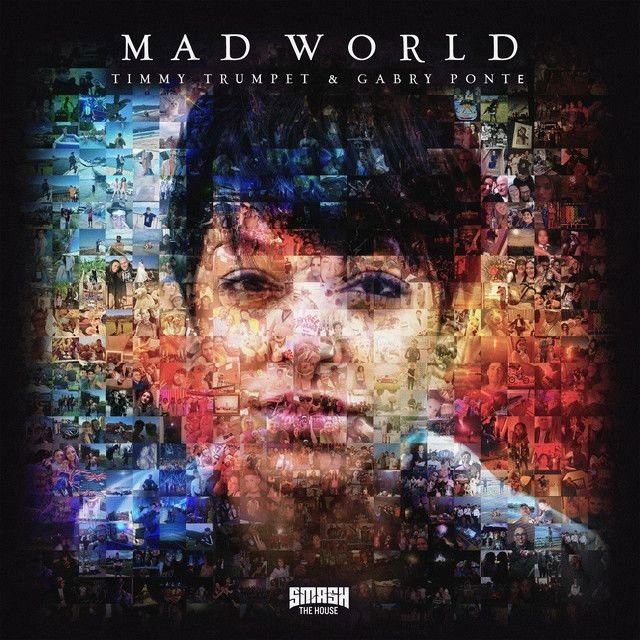
The meaning of Mad World Timmy Trumpet, Gabry Ponte starts with a simple feeling: being surrounded by people, routines, and noise, yet still feeling unseen. The song’s words are old, written by Roland Orzabal of Tears for Fears, but they still hit because they describe modern burnout with eerie accuracy.
"Mad World" - Timmy Trumpet, Gabry Ponte
Worn-out places, worn-out faces
Bright and early for their daily races
Loading lyrics...
Unable to load lyrics
We're unable to display the lyrics at this time. Please try again later.
In this version, Timmy Trumpet and Gabry Ponte bring that classic sadness into an EDM setting. That shift matters. Instead of softening the message, the dance production makes the song feel more ironic, like a crowd moving together while each person is stuck in private confusion.
A Song About Isolation in Plain Sight
At its core, “Mad World” describes emotional alienation. The speaker looks at daily life and sees repetition, fatigue, and people moving without purpose. Early images like familiar faces
and daily races
frame the world as crowded but empty.
That is why the song feels so unsettling. It does not describe one dramatic disaster. It describes ordinary life becoming numb. The phrase going nowhere
turns routine into a trap, suggesting that activity is not the same as progress.
Interpretation: The song is less about one bad day than a whole system of living that drains meaning from people. The “mad world” is not only chaotic. It is emotionally disconnected.
Watch the official Mad World
music video
The Chorus Turns Observation Into Pain
The chorus is where the song stops watching and starts confessing. The speaker says they find the world both funny and sad, which shows emotional confusion rather than clarity. That mixed response is important because despair here is not theatrical. It is tired, strange, and deeply human.
One of the song’s most memorable lines is brief but heavy:
The dreams in which I’m dying
are the best I’ve ever had
Paraphrased, the idea is not necessarily a literal wish for death. It sounds more like escape feels easier than waking life. That exaggeration shows how bleak the speaker’s reality has become.
Then the hook lands on mad world
. Repeating that phrase turns a personal feeling into a social diagnosis. The problem is not only inside the speaker’s mind. It is in the environment around them.
Childhood Scenes Make the Message Sharper
The second verse adds children, school, and birthdays. Those details widen the meaning. The song is no longer just about one isolated adult. It becomes about how people are trained from early on to fit expectations and hide discomfort.
When the lyric mentions children waiting to feel good, it suggests that happiness is always delayed. Life becomes something people prepare for instead of fully living. Later, the classroom images imply another wound: institutions that should guide young people can also overlook them.
The short phrase look right through me
captures that pain with brutal clarity. It suggests invisibility, not just loneliness. Being ignored by a teacher in the song becomes a symbol for being ignored by society.
Why This Cover Changes the Feeling
Timmy Trumpet is known for festival-scale energy, live brass, and high-impact dance records, while Gabry Ponte built his name across European dance music through projects including Eiffel 65. That context matters because their version places a deeply introspective lyric inside a club-ready frame.
The production likely uses familiar EDM tools: a steady beat, rising tension, bright synth layers, and a drop designed for release. In a song like this, those choices can create contrast rather than comfort. The listener hears movement, but the lyric keeps insisting that people are running in circles.
Interpretation: That mismatch is the point. A dance setting can make “Mad World” feel even more modern, because today’s culture often asks people to keep performing energy while feeling exhausted underneath.
Sound, Speed, and Emotional Irony
Older versions of “Mad World” often lean into fragility. This take can do something different by giving the sadness momentum. Instead of sitting still with grief, it puts grief on a clock.
That affects meaning in two ways:
- The beat mirrors social pressure to keep moving.
- The polished production contrasts with the lyric’s emptiness.
- The build-and-release structure can feel like false hope.
If the instrumental surges while the words stay bleak, the result is emotional irony. The body wants to move, but the mind hears exhaustion. That tension is a big reason the song still connects with listeners.
A Few Symbols That Hold the Song Together
Several motifs carry the message across versions:
Faces and places
The repeated public images suggest sameness. People and spaces blur together, making everyday life feel mechanical.
Circles and repetition
The song keeps returning to loops, habits, and routines. This supports the idea that modern life can feel active while staying spiritually stuck.
School and birthdays
These should be hopeful images, but here they feel hollow. The contrast suggests disappointment begins early.
So What Is the Song Really Saying?
The best reading is that “Mad World” speaks to the pain of existing inside a system that looks normal from the outside but feels empty from within. The speaker is not simply sad; they are overwhelmed by a culture of repetition, performance, and emotional neglect.
For readers searching for the meaning of Mad World Timmy Trumpet, Gabry Ponte, this version stands out because it does not erase the original loneliness. It reframes it. By pushing the song into a dance context, the artists highlight a very current idea: people can be surrounded by stimulation and still feel disconnected.
That is why “Mad World” remains powerful. It sees how easy it is to disappear in public.
Disclaimer: This interpretation is based on the lyrics, known songwriting context, and the artists’ production style. As with most songs, listeners may hear different meanings.