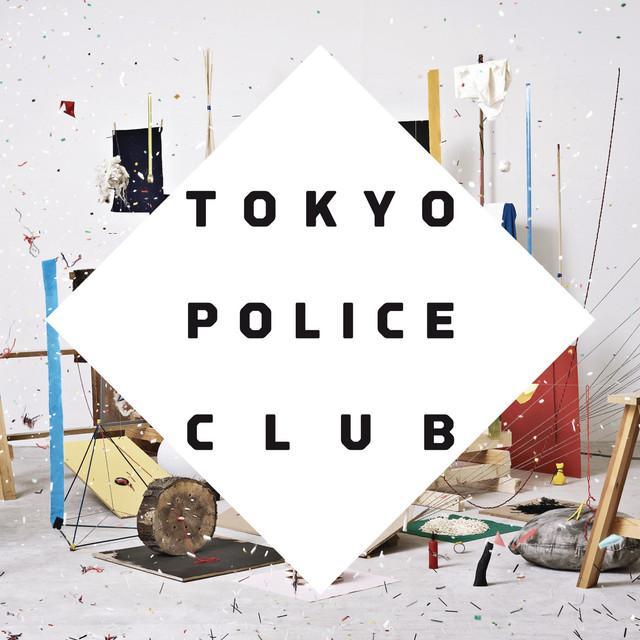
Bambi by Tokyo Police Club
The meaning of Bambi Tokyo Police Club comes from tension: it sounds playful at first, but the lyrics keep turning innocence into something uneasy. Tokyo Police Club often wrote fast, sharp indie rock songs, and this one fits that style while adding a hazier emotional layer. The Canadian band released “Bambi” on Champ in 2010, during a strong stretch that helped define their early career, and they later performed it at the 2011 Juno Awards.
"Bambi" - Tokyo Police Club
Why I came home wasted in the middle of the night
A tiny kingdom at the bottom of the trees
Loading lyrics...
Unable to load lyrics
We're unable to display the lyrics at this time. Please try again later.
A Small Fantasy World With a Dark Edge
At the center of the song is a speaker trying to justify messy behavior. They open by wanting to explain why they came home drunk, but instead of giving a straight answer, they drift into a strange inner world. That world is described as a tiny kingdom
hidden away, a place where they felt in control and almost heroic.
Interpretation: This suggests escape. Rather than facing real life, the narrator retreats into a private imagination where they are always right, always winning, and protected from consequences. That emotional dodge is a big part of the meaning of Bambi Tokyo Police Club.
The song never says exactly whether this kingdom is memory, intoxication, fantasy, or a relationship. Its power comes from how those things blend together.
Watch the official Bambi
music video
Why the Childlike Images Matter
The title alone points toward innocence. But the lyrics do not present innocence as pure or safe. They show it being manipulated, stitched together, or haunted.
The line about buttons to Bambi
is especially striking. Instead of showing a living deer, it suggests something remade by hand, almost like a doll or damaged keepsake. Right beside that comes the image of a kite, another object tied to childhood freedom.
Interpretation: These images may show how memories of youth can become distorted as people grow older. What once felt light and magical can look fragile, artificial, or sad in hindsight.
There is also a protective line about covering someone’s eyes during the bad bits
. That sounds like an adult trying to shield a child, but it could also be someone trying to shield themselves from reality.
The Chorus Turns Color Into Danger
The chorus is where the song’s emotional logic snaps into place. The world keeps turning into black and white
, which suggests life draining of warmth, clarity replacing fantasy, or joy collapsing into numbness.
Then comes the most memorable phrase: killer with the colored kite
. It is a vivid contradiction. One part of the image is bright and playful; the other is violent.
Interpretation: The song may be describing a person who is charming but destructive. It may also describe temptation itself: something colorful and inviting that still causes harm. The speaker seems unable to fully resist it.
That push and pull is why the chorus feels so strong. The music moves forward with energy, but the images keep warning that beauty and danger are wrapped together.
A Story Told in Fragments
Rather than giving listeners a neat plot, “Bambi” works like a set of emotional flashes. A simple timeline might look like this:
- The narrator tries to explain reckless behavior.
- They retreat into a hidden kingdom of memory or fantasy.
- Childlike images become strange and unsettling.
- The chorus reveals a loss of color, control, and certainty.
- The ending lands in confusion, repeating emotional paralysis.
That final feeling is clear when the singer admits being tangled and unable to act. Instead of solving the problem, the song stays inside it.
How Tokyo Police Club’s Sound Shapes the Meaning
Tokyo Police Club built their reputation on tight, energetic indie rock. According to widely available band history, they formed in Newmarket, Ontario, and became known in the mid-2000s for brisk songs and nervous momentum. “Bambi,” from Champ, keeps that drive but softens it with a more reflective mood.
The arrangement matters. The guitars and drums feel urgent, but they do not overwhelm the vocal. That creates a useful contrast: the music moves like youth, while the lyrics sound stuck in guilt and memory. The result is emotionally mixed, which suits the song.
Interpretation: The production mirrors the narrator’s mental state. They are active on the outside, spiraling on the inside. Even when the track sounds catchy, its imagery keeps slipping into something dreamlike and bruised.
Two Strong Ways to Read the Song
There is more than one convincing reading of “Bambi.”
Reading One: A song about regret
The first reading is that the narrator is making excuses after a night of self-destruction. In this view, the fantasy images are a way to avoid admitting harm. The kingdom is escapism, and the bright symbols hide shame.
Reading Two: A song about growing up
The second reading is that the song is about losing childhood innocence. Here, Bambi, kites, and hidden spaces represent youth, while black-and-white imagery shows adulthood flattening wonder into something harder and sadder.
Both readings can exist at once. That layered ambiguity is part of what makes the song memorable.
Why “Bambi” Still Connects
The meaning of Bambi Tokyo Police Club lasts because it captures a familiar feeling without over-explaining it. Many listeners know what it is like to look back at something once beautiful and see its damage more clearly later.
Tokyo Police Club were always good at writing songs that felt restless and immediate. “Bambi” adds a haunted, symbolic twist to that gift. It turns childhood objects into emotional warning signs and makes confusion sound oddly catchy.
In the end, the song is less about a single plot than a state of mind: guilty, dazzled, nostalgic, and stuck.
Disclaimer: This interpretation is based on the lyrics, the song’s sound, and publicly known context. Like many abstract songs, “Bambi” can support more than one meaning.








