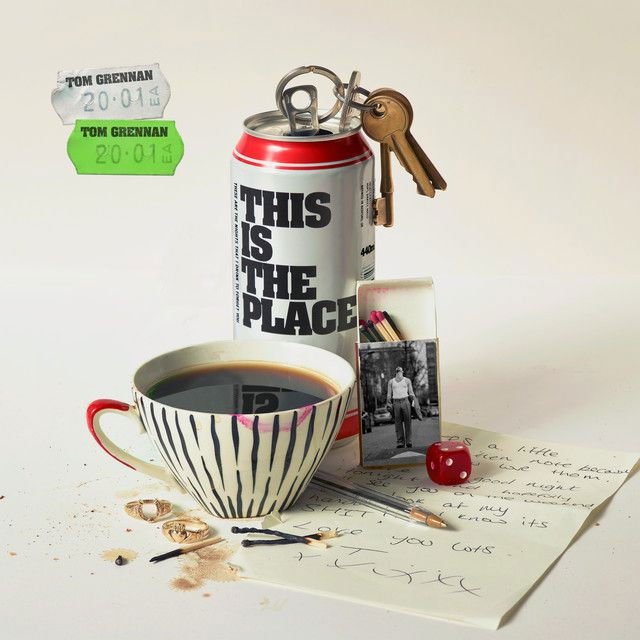
Why 'This Is the Place' Hurts So Much
The meaning of This is the Place Tom Grennan centers on a painful contradiction: they go somewhere to forget a past love, but that same place makes the memories stronger. It is a breakup song, but not a dramatic one. Instead, it lives in the small routines of grief—waking up alone, staring at old messages, and feeling trapped in familiar spaces.
"This is the Place" - Tom Grennan
The coffee's cold, it gets me down
I put my hand there on the empty space
Loading lyrics...
Unable to load lyrics
We're unable to display the lyrics at this time. Please try again later.
Tom Grennan is credited as a writer alongside Dan Smith, Daniel Boyle, David Straaf, Richard Boardman, and Sarah Blanchard, based on the song information provided. That team helps explain why the song feels both personal and polished. It is intimate in its details, yet built around a big, repeatable chorus that turns private pain into a pop statement.
A breakup song about spaces, not just people
The first verse starts with ordinary disappointment. A Monday arrives, the coffee is cold, and the bed has an empty space
. Those details matter because they show how heartbreak enters daily life. The loss is not only emotional; it changes the room, the morning, and the body.
From there, the song moves into memory. The speaker keeps seeing the other person’s face and feeling their absence at the same time. When they admit they cannot break the cycle
, the lyric names the song’s real struggle. This is not simple sadness. It is repetition.
Interpretation: The place in the title is both literal and emotional. It may be a home, a bar, or any familiar setting linked to the relationship. But more deeply, it is the mental place they keep returning to.

Watch the official This is the Place
music video
The chorus reveals the trap
The chorus gives the song its clearest idea. They say This is the place
they come to forget, yet the next lines show that forgetting is not happening. Nights out become nights of regret, and escape turns into self-punishment.
That is why the chorus hits hard. It is not just saying, “I miss you.” It says they are actively trying to move on and failing in public, in private, and inside their own thoughts. The repeated wish to be somewhere with you
shows the truth underneath the effort to let go. Even when they want distance, desire still wins.
A short timeline of the emotion
- They wake into an ordinary day that feels wrong.
- Physical spaces remind them of the missing person.
- They revisit photos and messages, making the pain worse.
- They try to numb the feeling through nights out and drinking.
- They end up admitting they still want the person back.
That emotional path is simple, but it feels believable because it mirrors how grief often works: not in a straight line, but in loops.
Memory is the real villain here
One of the strongest parts of the lyric is how honest it is about self-torment. They are not only being haunted by memory; they are feeding it. The song mentions photographs and old messages, which are modern breakup habits almost anyone can recognize.
That detail makes the song feel current. Instead of using grand poetic symbols, it uses phones, bedrooms, and late nights. The result is accessible and sharp. The heartbreak feels close enough to touch.
My love for you will never run coldAnd I can't break the cycle
This brief moment matters because it strips away any pretense. They are no longer pretending forgetting will work. The love is still warm, and the mind is still stuck.
How the sound likely supports the message
Even without reproducing the full arrangement on the page, the songwriting suggests a modern pop ballad approach: steady rhythm, an emotionally open vocal, and a chorus designed to swell through repetition. Grennan often sings with a rough-edged warmth that makes vulnerable lines sound lived-in rather than overly polished.
That vocal style matters to the meaning of This is the Place Tom Grennan. A smoother delivery might make the song feel sleek, but a slightly strained or soulful tone can make it sound like someone trying to hold themselves together. The repetition of key lines also likely acts like emotional echo, turning one thought into a fixation.
Interpretation: If the production grows bigger in the chorus, that would match the lyric’s idea that private memories become overwhelming once they rise to the surface. In other words, the arrangement would mirror the mind spiraling.
Why the writing feels so relatable
The song does not rely on blame. There is no attack on the ex, and there is little interest in explaining who was right or wrong. In fact, one line suggests they would not change anything. That choice gives the song maturity. The pain comes from attachment, not anger.
This also broadens its appeal. Many listeners know the strange stage after a breakup when they do not want the past erased, even though it hurts. They want relief, but they also want the person back. The song sits exactly in that contradiction.
A final reading of the song’s meaning
The best way to understand the track is this: it is about how places store emotion. A bed, a drink, a Monday morning, and a phone screen all become containers for memory. They think they are visiting a place to forget, but really they are visiting a place where love has left a mark.
That is why the song lands. It turns heartbreak into geography. The room is wrong. The night is wrong. Even the routine is wrong. Until the memory loosens, nowhere will feel fully safe.
Disclaimer: This interpretation is based on the released lyrics and publicly available song credits provided here. Like all song meaning analysis, some readings are interpretive rather than confirmed by the artist.









