Why Tom Waits Turns Hesitation Into Heartbreak
The meaning of I Hope That I Don't Fall In Love With You Tom Waits comes down to one painful truth: sometimes people lose a possible love before it ever begins. In a crowded bar, the singer notices someone, imagines a connection, and keeps holding back. By the end, that caution becomes regret.
"I Hope That I Don't Fall In Love With You" - Tom Waits
Well I hope that I don't fall in love with you
'Cause falling in love just makes me blue
Loading lyrics...
Unable to load lyrics
We're unable to display the lyrics at this time. Please try again later.
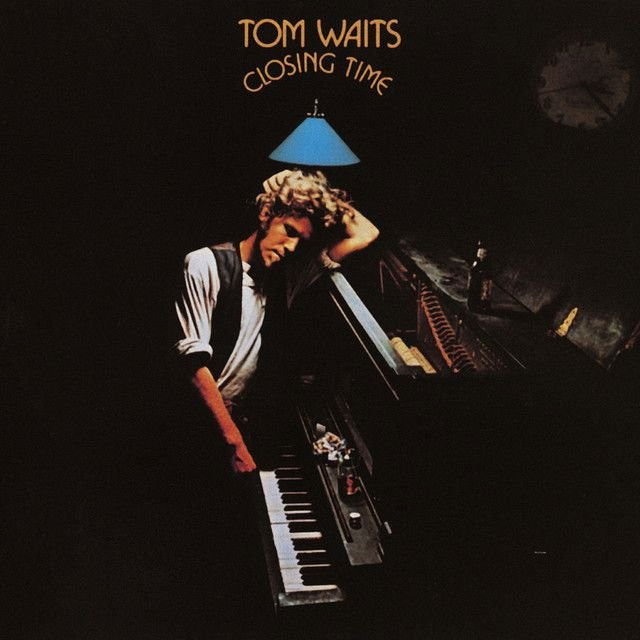
Tom Waits wrote the song and released it on Closing Time in 1973, the debut album that introduced his piano-led, late-night style. That early period is well documented in standard artist references and album histories such as AllMusic and Encyclopaedia Britannica. Even without heavy plot, the song feels cinematic because every small action matters.
A Small Scene With Big Feelings
On the surface, the story is simple. A person spots someone across the room and tries not to get emotionally involved. They tell themselves falling in love
only leads to pain, so they stay in their seat, drink, watch, and imagine what might happen.
That is what makes the song hit so hard. It is not about a full relationship. It is about the moment before one, when fear can do as much damage as heartbreak itself. The title phrase sounds cautious at first, but it slowly reveals how badly they already want the other person.

Watch the official I Hope That I Don't Fall In Love With You
music video
How the Story Moves From Hope to Loss
The narrative unfolds almost minute by minute, which gives the song its realism.
First, they try to stay detached
At the start, they notice the other person while the room buzzes around them. The singer acts like they are protecting themselves, especially when they admit love just makes them blue
. That sets the emotional stakes right away: attraction is linked to sadness.
Then, they imagine a chance
As the night goes on, the singer wonders whether to cross the room, offer a chair, or start a conversation. They see a possible opening and even picture that we could make it
. This is not confidence, though. It is fantasy mixed with nerves.
Finally, they miss the moment
The song's turn comes late. For one brief stretch, the other person seems available and maybe equally lonely. But hesitation wins. At closing time, they are gone, and the narrator is left with the sudden realization: I just fell in love
. The line lands because it arrives too late.
The Refrain Changes Its Meaning
The repeated wish not to fall in love is the song's emotional engine. Early on, it sounds like self-defense. They are trying to stay safe from rejection, embarrassment, and future hurt.
By the end, the line becomes ironic. The more they repeat it, the clearer it gets that they are already slipping. In that sense, the chorus is less a statement than a failed spell. They keep saying it because they know they are losing the fight.
Lonely Rooms, Empty Chairs, and Last Call
The imagery is plain, but it carries a lot of weight. A crowded room should make people feel less alone, yet here it does the opposite. The singer is surrounded by bodies but trapped inside their own thoughts.
A few recurring details deepen that theme:
- the crowded bar suggests emotional distance in public
- the open seat hints at opportunity
- cigarettes and drinks create nervous ritual
- closing time stands for chances that do not wait
One of the smartest moves in the lyric is the shift from hoping they will not fall in love to hoping the other person will not fall for them. Interpretation: that change suggests shame or low self-worth. They do not just fear love hurting them; they may fear hurting someone else or being unworthy of being chosen.
Why the Sound Matters So Much
The arrangement is a big part of the song's meaning. On Closing Time, Waits leaned into soft piano, gentle rhythm, and a worn, intimate vocal style, as noted in album coverage from sources like Rolling Stone and AllMusic. The performance does not rush the story. It lingers in it.
That matters because the song is about hesitation. The relaxed tempo, light swing, and barroom feel mirror a person who keeps waiting one more minute before making a move. Waits also sings with a tired tenderness that makes the narrator sound older than their impulse. They are not a bold romantic hero; they are someone who has been bruised before.
the music's fading out
last call for drinks
Those final images are simple, but they frame the deeper point: time makes the choice for them. Once the night ends, imagination is all that remains.
Two Strong Readings of the Song
Interpretation: It is about fear of intimacy
One clear reading is that the song shows how people sabotage connection when they are scared. The other person may be open to them, but they cannot act while the possibility is still alive.
Interpretation: It is about romanticizing what is gone
Another reading is that the feeling becomes larger because it is unfinished. Once the person disappears, the singer can turn a brief encounter into a grand emotional event. Loss gives the moment its mythic size.
Why the Song Still Connects
The meaning of I Hope That I Don't Fall In Love With You Tom Waits still resonates because almost everyone knows this feeling: wanting closeness, fearing it, and realizing too late what they wanted to say. Waits turns that ordinary human failure into something tender rather than dramatic.
That is why the song lasts. It understands that heartbreak does not always come from betrayal or breakup. Sometimes it comes from silence, delay, and one empty space where someone used to be.
Interpretation disclaimer: song meaning is never fully fixed. This reading is based on the lyrics, performance, and known context, but listeners may reasonably hear different shades of loneliness, desire, and regret.








