Why 'Breathe Again' Feels So Devastating
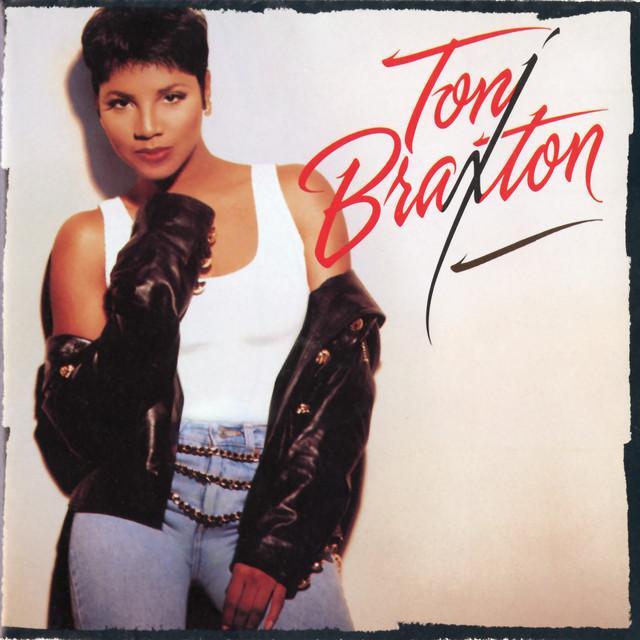
The meaning of Breathe Again Toni Braxton comes down to one powerful idea: love is described as something so essential that losing it feels like losing air itself. Released as the second single from Braxton's 1993 debut album, the song was written by Kenneth "Babyface" Edmonds and produced by Babyface, L.A. Reid, and Daryl Simmons. It became one of her defining hits, reaching No. 3 on the Billboard Hot 100 and later winning Braxton a Grammy for Best Female R&B Vocal Performance.
"Breathe Again" - Toni Braxton
If I never feel your tender kiss again
If I never hear "I love you" now and then
Loading lyrics...
Unable to load lyrics
We're unable to display the lyrics at this time. Please try again later.
A Love Song About the Moment Before Collapse
At its core, "Breathe Again" is not just about sadness. It is about dread. The singer is not calmly reflecting on a breakup; they are standing on the edge of one, imagining what comes next and feeling unable to bear it.
That is why the song keeps returning to physical closeness: arms, kisses, hearing affection spoken aloud. Those details make the relationship feel lived-in and human. When the chorus lands on never breathe again
, it turns heartbreak into a bodily crisis.
Interpretation: The song suggests that emotional loss can feel physical. It does not literally mean death. Instead, it shows how some relationships become tied to identity, routine, and self-worth.

Watch the official Breathe Again
music video
How the Verses Build the Panic
The verses work like spirals of thought. Rather than telling a big story with many events, the song stays inside one mind that cannot stop replaying love and fearing absence.
A few short phrases reveal that pattern: things used to be
, out of my head
, and center of my life
. Each one points to a different layer of loss. The first is memory. The second is obsession. The third is dependence.
The emotional timeline in simple terms
- They remember the relationship as warm and intimate.
- They try and fail to imagine moving on.
- They realize the loved one has become central to everyday life.
- They turn that fear into the song's dramatic promise.
This structure matters. The chorus sounds huge, but the verses earn it by showing repetitive thought. The singer is trapped, and the repetition makes the listener feel that trap too.
The Chorus Turns Longing Into a Metaphor
The hook is famous because it is so extreme. But what makes it work is the way it grows from smaller fears. Before the title line arrives, the song lists ordinary forms of intimacy that may disappear. Only then does it leap into the larger metaphor.
If love ends
I shall never breathe again
That short leap is the whole song in miniature. First comes the possible ending. Then comes the emotional overstatement that feels true in the moment.
Interpretation: The chorus is less about romance as fantasy and more about heartbreak as panic language. People in grief often speak absolutely. Braxton's performance captures that state without making it sound false.
Toni Braxton's Voice Is the Real Storyteller
Many critics focused on Braxton's delivery, and that makes sense. AllMusic praised her "hypnotic" voice, while BBC Music said the song helped establish her because of her "dreamy, breathy delivery." Those comments fit what listeners actually hear: not a singer shouting pain, but one controlling it.
That restraint is crucial. If the vocal were bigger and harsher, the lyric might feel melodramatic. Instead, Braxton sings with a husky softness that makes lines like how could you love me then leave
sound wounded and intimate.
Why the Production Makes the Song Feel Airless
Babyface and his collaborators built the track as a smooth R&B ballad with pop crossover appeal. The arrangement is gentle and uncluttered, giving Braxton's voice lots of room. Keyboards, light percussion, and a slow pulse keep the song moving, but nothing distracts from the feeling of private grief.
That space in the production mirrors the song's subject. There is silence around the voice, and that silence feels like absence. In other words, the sound design supports the lyric's fear of emptiness.
Interpretation: The production almost acts like the missing lover. It leaves open space where fullness used to be.
Context Matters: Why the Song Hit So Hard in the 1990s
"Breathe Again" arrived during a strong era for polished R&B ballads, but it stood out because it balanced radio-friendliness with real ache. Billboard called it a "yearning, R&B-framed ballad," which gets at its appeal: accessible, but emotionally heavy.
Its success was not small. Beyond its U.S. chart run, it also reached No. 2 in the UK and Australia and became one of Braxton's signature songs. The black-and-white video, directed by Randee St. Nicholas and set around a maze at Longleat House, visually matched the song's emotional confusion and searching.
The maze image is especially fitting. The singer is not simply sad; they are lost.
One More Way to Read It
A second reading is possible. The song may also be about losing the version of oneself that existed inside the relationship. Phrases like rhythm of my heart
and center of my life
suggest that the fear is not only about missing someone. It is about becoming emotionally unrecognizable without them.
That helps explain why the song remains relatable. Even listeners who have never felt such extreme romance understand the fear of being hollowed out by loss.
Why "Breathe Again" Still Connects
The meaning of Breathe Again Toni Braxton lasts because the song captures a universal emotional exaggeration: the moment when heartbreak feels bigger than language, so language reaches for the body. Breathing becomes the perfect image because it is basic, automatic, and necessary.
Braxton, Babyface, and the production team turn that simple metaphor into a haunting ballad that still feels intimate decades later.
Disclaimer: This interpretation mixes documented context with critical reading. Like most songs, "Breathe Again" can support more than one meaning for different listeners.







