Why "Un-Break My Heart" Still Hurts
The meaning of Un-Break My Heart Toni Braxton comes down to a simple but devastating idea: they are begging for the impossible. This is not just a breakup song. It is a song about wanting pain reversed, time erased, and love restored as if the loss never happened.
"Un-Break My Heart" - Toni Braxton
Don't leave me out in the rain
Come back and bring back my smile
Loading lyrics...
Unable to load lyrics
We're unable to display the lyrics at this time. Please try again later.
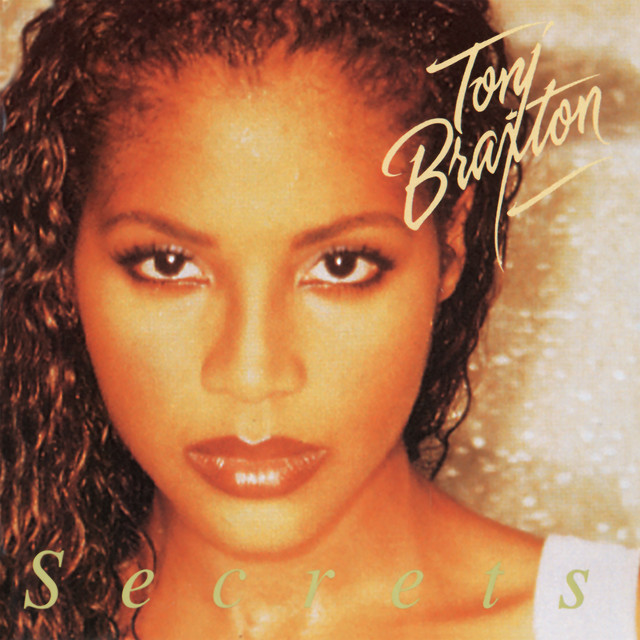
Released on Secrets in 1996, the track was written by Diane Warren and produced by David Foster. It became Braxton’s signature hit, spending 11 weeks at No. 1 on the Billboard Hot 100 and later winning the Grammy for Best Female Pop Vocal Performance. Those facts help explain why the song still feels so large in pop culture: it turned private grief into a mainstream event.
A Heartbreak Song That Asks for More Than Healing
At its core, the song is a plea to a former lover. The narrator is not asking for closure. They are asking for the other person to come back and repair the exact wound they caused.
That is why the title matters so much. The phrase Un-break my heart
is not standard English, and that is the point. Diane Warren has said the title came first and immediately felt special. The made-up wording suggests that ordinary language cannot hold this level of hurt.
Interpretation: the song is less about mature acceptance than emotional shock. The singer still lives inside the breakup. They are stuck at the moment the relationship ended, replaying it and refusing its finality.

Watch the official Un-Break My Heart
music video
The Verses Turn Pain Into Weather and Time
The lyrics keep returning to physical and natural images to describe emotional suffering. When the song mentions all this pain
and being out in the rain
, it frames heartbreak as exposure. They do not feel sheltered anymore.
Rain is a familiar image in pop ballads, but here it works because it sounds cold and public. This is not quiet sadness behind closed doors. It feels like abandonment without protection.
Time matters too. The song says the nights are cruel and memory keeps pulling the narrator backward. They want the old life back, especially the simple closeness of being beside the person they lost. That makes the song feel circular. Instead of moving forward, they keep reaching into the past.
Why the Chorus Lands So Hard
The chorus is one of the most famous in 1990s pop because it raises the emotional stakes with each line. The narrator asks their lover to say you’ll love me again
and to un-cry these tears
. In plain terms, they want both reunion and emotional repair.
That second phrase is especially strong. People can wipe tears away, but they cannot cancel the grief that caused them. So the chorus turns sorrow into an impossible demand. It is melodramatic, but in the best way.
When you walked out the door
And walked out of my life
This brief moment explains why the song connects so widely. The physical action of leaving becomes an emotional event. A door closes, and an entire future disappears with it.
Toni Braxton’s Voice Sells the Ache
Braxton’s performance is a huge part of the song’s meaning. Her contralto voice gives the verses weight and intimacy, then opens up into a stronger belt in the chorus. Critics at the time often pointed out that she could move from whisper-like regret to full drama without sounding fake.
That balance matters. If the vocal were too polished, the song might feel stiff. If it were too raw, it might lose its elegance. Braxton sits in the middle, sounding wounded but controlled.
Factual context: the song was produced by David Foster as a pop and contemporary R&B power ballad. Its slow tempo, dramatic arrangement, and string-heavy sweep help make the emotion feel cinematic. The production does not hide the sadness; it enlarges it.
The Sound Makes Grief Feel Monumental
The arrangement moves patiently. Piano, strings, and soft rhythm give the song space, which lets every line feel heavier. At around 55 BPM, it never rushes the pain.
That slowness is key to the meaning of Un-Break My Heart Toni Braxton. The music traps the listener in the same emotional room as the narrator. There is no upbeat distraction and no clever twist. Just longing, echo, and build.
There is also a smart contrast between tenderness and power. The verses feel inward, but the chorus expands into near-theatrical scale. That mirrors heartbreak itself: grief often starts as a private ache, then suddenly becomes overwhelming.
Context Makes the Song Even More Interesting
One famous bit of backstory adds depth. Diane Warren later said Toni Braxton initially did not want to record the song because she did not want another heartbreak ballad. L.A. Reid pushed for it, and it became her defining hit.
That history is striking because the performance sounds fully inhabited. Whether or not Braxton was skeptical at first, they deliver the song as if they know exactly how this kind of loss feels.
The music video, directed by Bille Woodruff, pushes the emotion even further by framing the lover’s absence as death rather than only breakup. Interpretation: this does not change the lyric meaning, but it does amplify the song’s sense that loss feels absolute and irreversible.
Why It Endures
Part of the song’s staying power is its boldness. It does not hide behind irony or emotional distance. It says heartbreak can feel world-ending, and it means it.
It also helps that the central idea is so clear. Everyone understands wanting someone back. Fewer songs capture the deeper fantasy beneath that wish: not just return, but reversal.
That is why the song remains one of the defining ballads of the 1990s. It gives grief a grand shape, but the emotion stays human.
Final Take on Its Meaning
The meaning of Un-Break My Heart Toni Braxton is the desire to undo emotional damage after love ends. Through impossible wording, rain-and-night imagery, and a towering vocal performance, the song turns heartbreak into a desperate wish against reality.
That reading is an interpretation based on the lyrics, performance, production, and known background around the song. Different listeners may hear shades of breakup, grief, regret, or even denial within it.









