Why "Thinking Of You" Feels So Human
The Heart of the Song
The meaning of Thinking Of You Tony! Toni! Toné! starts with a simple idea: they are stuck on someone and cannot shake the feeling. This is not a breakup anthem or a grand declaration. It is a song about lingering desire, memory, and the restless need to know whether love is mutual.
"Thinking Of You" - Tony! Toni! Toné!
Yeah, whatchu been up to
Is that right, like that there
Loading lyrics...
Unable to load lyrics
We're unable to display the lyrics at this time. Please try again later.
From the first spoken lines, the song feels casual and intimate, like a late-night phone call. That choice matters. Instead of sounding polished or distant, they make the listener feel dropped into a real conversation. The singer is not only remembering a past connection. They are testing hope, asking if the other person still remembers too.
At its core, the song turns one repeated thought into a full emotional world: thinking of you
. That phrase is plain, but the performance gives it weight. It suggests longing, patience, and a touch of obsession.

Watch the official Thinking Of You
music video
A Love Song With a Nervous Edge
What makes the lyrics interesting is that they do not stay in soft romance alone. The singer recalls first attraction and physical closeness, then moves into a more anxious space. They remember the first look, the touch of a hand, and a kiss from about a year earlier. Those details show that this bond is not imaginary; it is rooted in specific memories.
Still, the song is less about what happened than about what those moments did to the mind. The verses keep circling back to searching, walking, and talking, as if ordinary life has been hijacked by one person. Even when the lyric says I been searching
, the point is bigger than literal movement. They are emotionally scanning the world for signs of this missing person.
When Longing Starts to Spill Over
One unusual part of the song is its exaggerated language. The singer jokes about calling the police or putting out an APB. They even mention America's Most Wanted
. Taken literally, those lines sound wild. In context, they read more like comic exaggeration than threat.
Interpretation: this overstatement shows how desire can make a person dramatic, irrational, and funny at the same time. The song does not present the singer as dangerous so much as lovesick and unable to let the thought go. In soul music, that kind of emotional excess is often the point: feelings become so large that normal language no longer seems enough.
How the Chorus Deepens the Meaning
The chorus is catchy because it is repetitive, but the repetition is also the message. By returning again and again to thinking of you
and asking whether the other person is thinking too, the song recreates the loop of obsession. This is how real longing often feels. It does not move neatly forward. It circles.
I been thinking of you
You been thinking of me
Those two short lines create the song's tension. One side is certain about their own feelings. The other side remains unknown. That gap between memory and confirmation gives the song its emotional charge.
Classic Soul Gives the Lyrics Their Power
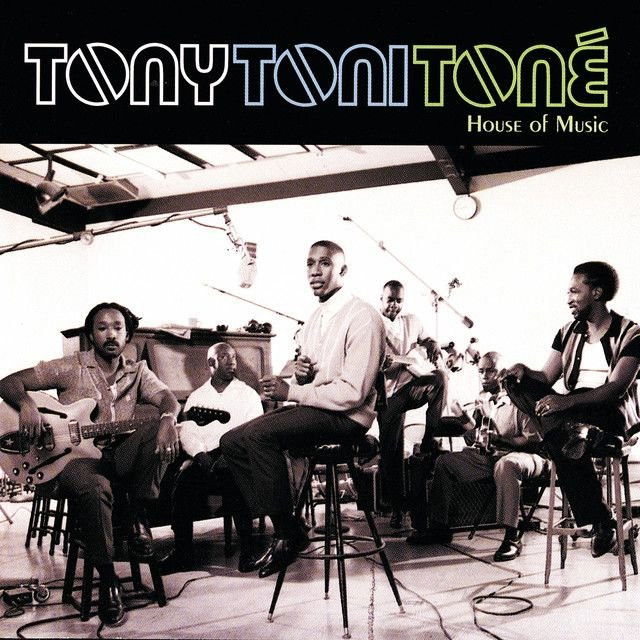
The song appears on House of Music, the group's fourth and final studio album, released on November 19, 1996, with the single arriving in March 1997. The album was largely built around live musicianship and classic soul textures, not just studio gloss, and it later reached Platinum status in the United States. Those facts help explain why this track feels warm and alive rather than synthetic.
Raphael Saadiq said the song came together spontaneously at 3:00 a.m. and that he was just playing and singing what came out. He also described it as a really soul, southern, funky song
inspired by Al Green. That is one of the most useful clues to its meaning. The song is not only about missing someone. It is also a deliberate throwback to a style of soul music where tenderness, humor, and ache all sit in the same performance.
The production by Tony! Toni! Toné! supports that mood. Light guitar strokes, relaxed rhythm, and Saadiq's Southern-leaning phrasing make the song feel lived-in. Instead of pushing drama with heavy effects, the track lets groove and voice carry the emotion. That choice fits the band's larger vision for House of Music, which critics praised for blending 1990s R&B with older soul traditions.
Artist Context Matters Here
Tony! Toni! Toné! had built their reputation on musicality, songwriting, and respect for Black music history. On House of Music, each member contributed as writer, arranger, and producer before shaping the album together. D'wayne Wiggins said the music and lyrics were meant to build emotion rather than just match tempos. That approach is easy to hear in this song.
The timing also adds meaning. House of Music came near the end of the group's original run, during a period of internal strain. That does not change the literal subject of the song, but it can make the performance sound even more poignant in hindsight. A song about holding onto connection opened the final album from a group soon headed toward separation.
So What Is the Song Really Saying?
The best reading is straightforward: this is a song about romantic fixation, memory, and the wish for emotional return. The singer is living in the afterglow of intimacy and cannot tell if that feeling is shared.
Interpretation: there is also a second layer. Because the song leans so hard into classic soul style, it becomes a tribute to the way older soul music dramatized everyday feelings. Its message is not just “I miss you.” It is “missing you has taken over my body, my speech, and my sense of time.”
That is why the track still works. It captures how love can feel sweet, awkward, funny, and overwhelming all at once.
Final Take
For listeners wondering about the meaning of Thinking Of You Tony! Toni! Toné!, the answer is both simple and rich: they turn a single thought into a full portrait of yearning. Through repetition, humor, and vintage soul warmth, the song shows what it feels like when memory refuses to fade.
This article offers an interpretation based on the lyrics, performance, and documented artist context; like all song meaning pieces, some elements remain open to listener interpretation.








