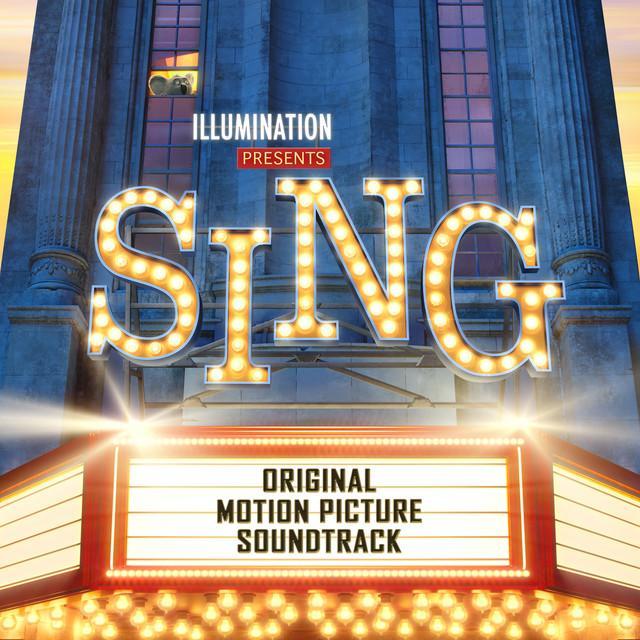
Hallelujah by Tori Kelly
The meaning of Hallelujah Tori Kelly starts with an important fact: this is Tori Kelly’s interpretation of Leonard Cohen’s classic, not a song she wrote herself. In the Sing universe, Kelly performs the duet version with Jennifer Hudson, and that version appeared on the deluxe edition of the film soundtrack, according to the Sing Wiki. That context matters because Kelly’s performance turns a famously layered song into something warm, cinematic, and deeply human.
"Hallelujah" - Tori Kelly
That David played and it pleased the Lord
But you don't really care for music, do you?
Loading lyrics...
Unable to load lyrics
We're unable to display the lyrics at this time. Please try again later.
A Praise Song for Imperfect People
At its core, “Hallelujah” is about trying to hold faith, love, truth, and pain in the same hand. The song does not present praise as pure or easy. Instead, it suggests that worship can come from confusion, heartbreak, and failure just as much as joy.
That is why the repeated word Hallelujah
feels so powerful. In many songs, a chorus gives a simple answer. Here, it does something harder: it keeps returning to praise even after doubt and loss. The song argues that a broken person can still speak something holy.
Interpretation: In Kelly’s version, that idea lands especially clearly because their voice sounds tender rather than distant. They do not sing as if they have solved life’s big questions. They sing as if they are still living inside them.

Watch the official Hallelujah
music video
How the Verses Build the Meaning
The opening verse links music and spirituality. When the lyric mentions a secret chord
and the movement from the fourth, the fifth
, it points to the structure of music itself. Cohen famously blends music theory, biblical imagery, and emotion in one scene. The effect is simple but rich: songs can explain things ordinary speech cannot.
Then the lyric turns skeptical. The line about not caring for music challenges the listener and raises a bigger issue: what if people miss the deeper meaning inside art, faith, or love? This tension is central to the song. It keeps asking whether beauty still matters when belief is shaky.
Later verses move from public ideas to personal confession. The speaker says I did my best
, which is one of the song’s most moving admissions. It is not proud. It is not dramatic. It is plain. That plainness makes it believable.
And even though it all went wrong
With nothing on my tongue
but Hallelujah
This is the emotional turning point. After mistakes, disappointment, and spiritual exhaustion, the speaker has very little left. Yet they still choose a word of praise. Not because life became easy, but because praise survives difficulty.
The Religious Images Are Also About Love
One reason this song has lasted for decades is that it works on more than one level. On the surface, its references to King David and the Lord make it sound like a sacred song. But the emotional force often comes from romantic and physical experience.
Cohen’s writing mixes those worlds on purpose. The holy and the earthly are not cleanly separated. In this song, desire can shake faith, and faith can shape the way people understand desire. That is why the phrase the holy or the broken
matters so much. It suggests that praise can come from either state.
Interpretation: Kelly’s delivery leans toward healing rather than irony. Some versions of “Hallelujah” sound haunted or detached. Kelly and Hudson make it sound communal, as if wounded people are singing together rather than suffering alone.
Why Tori Kelly’s Performance Changes the Song
Kelly is known for gospel, pop, and soul phrasing, and those strengths fit this material naturally. Their voice brings control, clarity, and a sense of uplift. Even when the words describe struggle, the tone carries compassion.
That matters for the meaning of Hallelujah Tori Kelly because performance is interpretation. A singer can make the same lyrics sound bitter, resigned, prayerful, or hopeful. Kelly’s version emphasizes the prayerful side.
In the duet arrangement, Jennifer Hudson adds even more dramatic lift. The two voices create contrast: Kelly often sounds intimate and centered, while Hudson brings thunder and scale. Together, they turn the song into a conversation between vulnerability and power.
How the Sound Supports the Message
Production-wise, the song is usually built to let the voices lead. Piano and orchestral support give it a gradual rise, which mirrors the lyric’s movement from uncertainty to emotional release. The arrangement in Sing is polished and cinematic, but it stays respectful to the song’s core: the words and the vocal emotion do most of the work.
That slow build is crucial. “Hallelujah” should not feel rushed. The pauses, held notes, and swelling harmonies make the listener sit with each idea. Instead of pushing toward a pop climax, the song opens outward. It feels like a confession becoming a testimony.
Why the Song Still Connects
Part of this song’s staying power comes from ambiguity. It never gives one neat message. Is it about God? Lost love? Art? Human weakness? The answer is yes to all of them.
That openness is why so many singers return to it, and why audiences keep hearing themselves in it. Kelly’s version, especially in the family-film setting of Sing, introduces the song to listeners who may not know Cohen’s original but still understand the feeling: life can go wrong, and people still search for meaning.
The Lasting Takeaway
The best way to understand the meaning of Hallelujah Tori Kelly is to hear it as a song about reverence after disappointment. It says that praise is not only for perfect believers or unbroken hearts. It can also come from people who are tired, honest, and still reaching upward.
Kelly’s performance highlights exactly that. They make “Hallelujah” sound less like a grand statement and more like a sincere offering.
Disclaimer: This interpretation combines documented context with critical reading of the lyrics and performance. As with any great song, listeners may hear different meanings in it.







