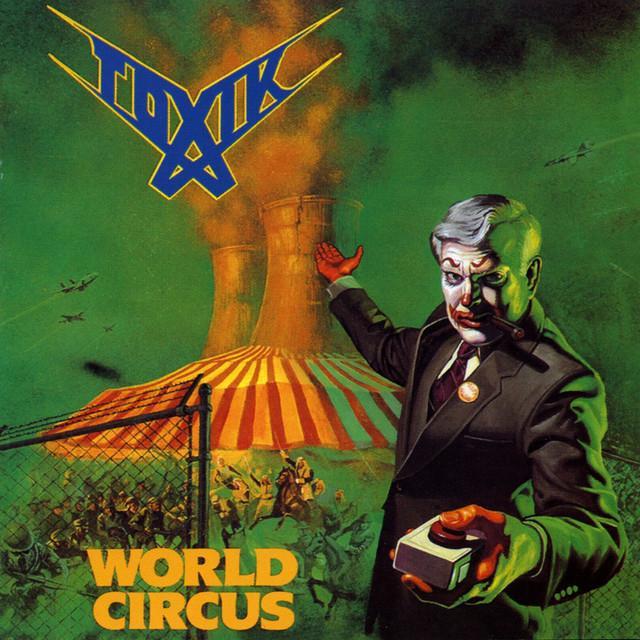
Why 'Heart Attack' by Toxik Feels Like Collapse
The meaning of Heart Attack Toxik comes through less as a simple story and more as a portrait of overload. The lyrics describe someone who seems hollowed out, split between night and day, and pushed toward a breaking point. Even before the chorus hits, the song paints a person whose inner life is falling apart.
"Heart Attack" - Toxik
And he would cease to be
No more
Loading lyrics...
Unable to load lyrics
We're unable to display the lyrics at this time. Please try again later.
This makes the title feel bigger than a medical phrase. In this reading, a “heart attack” is the sound of sudden emotional shutdown. The song turns fear, burnout, and pressure into something loud, physical, and impossible to ignore.
The Central Idea Behind the Chaos
At its core, the song seems to be about a person losing their grip on selfhood. Early lines like He is no more
suggest erasure, as if the person in the song has become emotionally absent before anything physical even happens.
That idea grows when the lyrics ask what is left to see. The figure is still present, but they do not seem fully alive in any meaningful sense. Interpretation: Toxik may be describing a state of numbness where a person keeps moving, but their inner identity has already started to collapse.
The night-versus-day contrast helps this reading. The song says he lives for the night
, while daylight seems to expose weakness. Night can symbolize escape, masks, or temporary freedom. Daylight, by contrast, brings judgment, responsibility, and the return of pain.
Watch the official Heart Attack
music video
A Character Trapped Between Panic and Numbness
The lyrics never build a clean narrative, but they do sketch a damaged mental state. A few key ideas appear again and again:
- loss of identity
- pressure from the outside world
- a body and mind under strain
- a sudden stop, crash, or shutdown
One of the strongest clues is the line about the world being too much. That pushes the song beyond horror imagery and toward psychological stress. Interpretation: the “heart attack” may stand for the moment when life’s demands become unbearable.
There is also a strange mechanical feel in the phrase His mind is drone
. That suggests repetition, automation, and a loss of individuality. He is not thinking freely; he is operating like a machine until the machine fails.
Why the Chorus Hits Like an Alarm
The chorus is simple, repetitive, and forceful. That is exactly why it works. When the band repeats stopped in your tracks
, they turn the song’s title into an event. It is no longer just a condition. It becomes an interruption.
That interruption matters. The verses describe decline, but the chorus delivers impact. It feels like a siren, a warning, or the exact second when hidden damage becomes visible.
Heart Attack
stopped in your tracks
This is the article’s only brief multi-line quote, and it captures the hook’s purpose: to freeze everything in place. The repetition mimics racing thoughts, physical shock, or a mind stuck on one terrifying idea.
Images of Death, Void, and Flatline
Toxik fills the song with stark images: absence, void, and the hint of a flatline. Those are not subtle choices. They make the song feel close to death even when the lyrics are really describing inner collapse.
The phrase Down in the void
points to emptiness, isolation, or depression. It suggests a place where answers do not come back. When the song asks who someone thinks they are, it sounds accusatory, but it also sounds disoriented, as if identity itself is unstable.
Then there is the image of coming From the flat-line
. That phrase can imply revival, but not in a hopeful way. Interpretation: the song may be showing someone who survives a breakdown physically, yet returns mentally fractured and unable to bear ordinary life.
How the Sound Supports the Meaning
Even without detailed production credits, the writing strongly suggests a classic thrash metal approach: fast attack, sharp riffing, and a chorus built for impact. Toxik are widely associated with technical thrash metal in metal history and discographies, including Encyclopaedia Metallum and AllMusic.
That style matters for interpretation. Thrash often turns anxiety into motion. Tight riffs can feel like pressure building. Repeated vocal lines can mimic obsession. Sudden rhythmic hits can sound like bodily shock.
So when “Heart Attack” keeps hammering its title, the arrangement likely amplifies the lyrical idea rather than softening it. The song’s aggression becomes part of the meaning. It does not just describe panic; it performs it.
Two Strong Ways to Read the Song
There are at least two convincing interpretations of the meaning of Heart Attack Toxik.
Reading One: A portrait of mental breakdown
This is the strongest reading. The images of emptiness, drone-like thinking, and a world that feels unbearable all point to severe emotional strain. The title then works as a metaphor for collapse under pressure.
Reading Two: A critique of modern overload
Some lines hint that the problem is not only internal. References to wasted time, money, and social strain suggest a wider system wearing the person down. In that reading, the character is not weak; they are crushed by a world built to exhaust them.
The Lasting Takeaway
What makes “Heart Attack” memorable is how it fuses body and mind into one violent image. The song treats emotional damage as something physical, immediate, and dangerous. That gives the track a grim power.
For listeners trying to understand the meaning of Heart Attack Toxik, the clearest answer is this: it sounds like a song about a person pushed past their limit, then frozen in the moment of collapse. The heart attack is literal on the surface, but symbolic at its core.
Disclaimer: This interpretation is based on the lyrics provided and publicly known artist context. As with many metal songs, meaning can remain open to multiple valid readings.







