Why "Time Marches On" Still Hits Hard
The meaning of Time Marches On Tracy Lawrence comes down to one simple, painful truth: families change whether they are ready or not. The song watches one household across decades and shows how childhood turns into adulthood, then into aging and death. Instead of telling one dramatic event, it strings together snapshots. That is why it feels so true.
"Time Marches On" - Tracy Lawrence
Brother runs in feathers on his head
Momma's in her room learning how to sew
Loading lyrics...
Unable to load lyrics
We're unable to display the lyrics at this time. Please try again later.
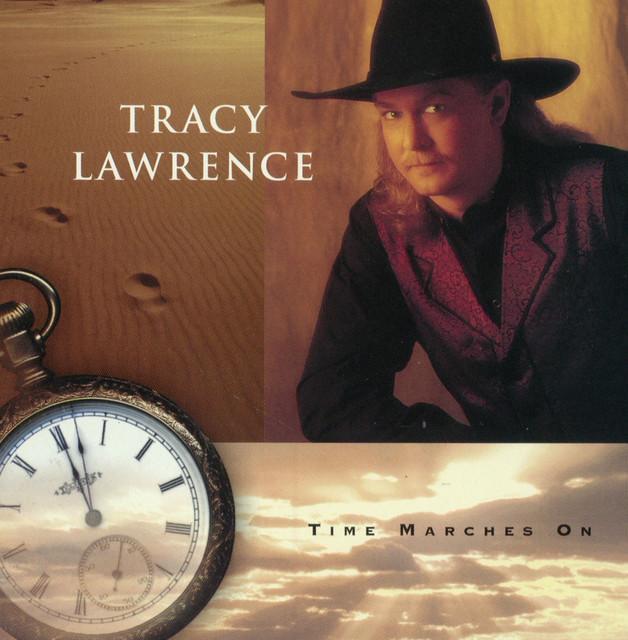
Released in 1996 as the title track from Time Marches On, the song was written by Bobby Braddock, a major Nashville songwriter, and became one of Tracy Lawrence's signature hits, reaching No. 1 on Billboard's country chart, as documented by Billboard. Those facts matter because the song sits in the center of 1990s country storytelling: direct, detailed, and built around ordinary lives.
A Family Album That Won't Sit Still
At its core, the song is about time as a force nobody can stop. Each verse jumps ahead and shows the same family at a different stage. The sister, brother, mother, and father all change, but not in neat or comforting ways.
In the first verse, they are children in a home that feels active and familiar. Small details create a whole era fast. In the second, the children are older, and the house has turned more troubled. By the final verse, youth is gone, health has faded, and the father is dead.
Interpretation: The song is not just saying people get older. It suggests that every season brings both growth and damage. Time does not preserve innocence. It reshapes everyone.

Watch the official Time Marches On
music video
How the Verses Build a Life in Fast Motion
The song's writing is so effective because it moves like memory. It does not explain every event. It trusts a few vivid details to do the work.
Early on, the image of a child in feathers on his head
suggests playful innocence. The house feels ordinary too: a mother sewing, a father by the radio. Then the next verse skips ahead, and the same brother now smokes a lot of dope
. The sister has changed too, and the mother and father seem emotionally and morally worn down.
That leap is the point. The song never pauses to explain exactly how the family got there. It simply shows that they did.
The only thing that stays the same is
Everything changes
That brief chorus idea acts like the song's thesis. It turns the family story into a universal one. Every listener can map those changes onto their own life.
Why the Chorus Feels Bigger Than the House
The repeated line time marches on
sounds almost simple, but its power comes from how neutral it is. Time is not evil in the song. It does not attack anyone. It just keeps moving.
That makes the losses hit harder. The father's affair, the mother's depression, the brother's aging body, and the father's death are not framed as shocking exceptions. They are part of life's forward motion. The song's sadness comes from that lack of drama. Change arrives without asking permission.
Interpretation: The chorus also carries a quiet warning. If people assume things will stay as they are, they will be disappointed. Childhood, beauty, health, and even family roles are temporary.
Pop Culture Markers Tell the Real Story
One of the smartest parts of the lyric is the way it tracks time through music and cultural references. Hank Williams marks the early household. Later, Bob Dylan appears. Those names do more than date each scene.
They reflect changing America. The line about the South and North trading places widens the lens beyond one family. The song hints that social values, regional identities, and generational habits are all in motion too.
So the meaning of Time Marches On Tracy Lawrence is not only personal. It is historical. The family becomes a small version of a changing country, where one generation's normal life looks strange to the next.
How Tracy Lawrence's Sound Supports the Message
The production helps the lyric land. The arrangement is polished 1990s country, but it keeps a grounded feel. Steel guitar and steady rhythm give the song warmth, while the tempo stays firm and unhurried. Nothing rushes, yet everything moves.
That balance matters. If the track were too sentimental, the story might feel manipulative. If it were too hard-edged, it might lose its human side. Instead, Lawrence sings with calm control. He sounds like someone observing hard truths without exaggerating them.
This is a big reason the song lasts. The vocal does not beg the listener to cry. It simply lays out the evidence.
The Final Verse Is Brutal Because It Is Ordinary
The last verse is where the song fully reveals its emotional weight. The sister is now jokingly older, the brother is dealing with cholesterol, the mother has slipped away from reality, and the father is buried. These are not glamorous endings. They are plain, familiar, and deeply sad.
That plainness is what makes the song powerful. It understands that many lives do not change through one giant turning point. They change through accumulation: years, habits, disappointments, illness, and loss.
Interpretation: The closing reference to an old Hank Williams song creates a circle. The music that played in the beginning returns near death, suggesting memory outlasts almost everything else.
Why the Song Still Connects
Many country songs tell stories, but this one compresses a lifetime into a few scenes without losing emotional clarity. Listeners hear their parents, siblings, or themselves in it. They recognize how quickly family roles flip and how fast decades disappear.
That is the lasting meaning of Time Marches On Tracy Lawrence: life keeps changing people, homes, and whole cultures, and nobody gets to stand still. The song hurts because it tells that truth so plainly.
Disclaimer: This interpretation focuses on the song's themes, writing, and cultural context. As with any art, listeners may hear different meanings in its details.








