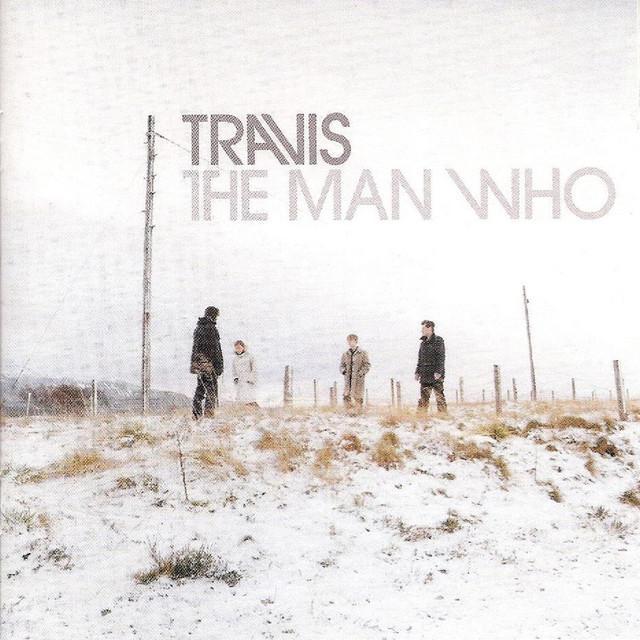
Why 'Turn' by Travis Still Feels Hopeful
The meaning of Turn Travis comes into focus through a simple but powerful idea: people can change, and that change can teach them how to live better. Travis built the song around longing, curiosity, and renewal, turning a modest lyric into something that feels wide and communal.
"Turn" - Travis
I want to feel like I felt before
I'd like to see the kingdom come
Loading lyrics...
Unable to load lyrics
We're unable to display the lyrics at this time. Please try again later.
Released from The Man Who in 1999, "Turn" was written by Fran Healy and produced by Mike Hedges. It came from a period when Travis shifted toward a softer, more melodic sound, and the single later reached No. 8 in the UK and No. 2 in Scotland, according to chart data summarized by Wikipedia. Those facts matter because the song’s warm, open message helped it land as more than just another late-90s alt-rock single.
The Heart of the Song Is Change
At its center, the song speaks from a place of dissatisfaction. The narrator wants to recover a lost feeling, reconnect with purpose, and step into a world that feels more alive. Early lines about wanting to see what others saw and feel what they once felt suggest a person who senses they have drifted away from wonder.
That longing grows into a stronger need for belonging. When the singer says they want to live in a world where they belong, the song moves beyond nostalgia. It is no longer just about the past; it is about survival and the hope of a better future.
Interpretation: this makes the song less about one event and more about emotional reorientation. The title idea of turning is not only movement. It is a change in outlook.
Watch the official Turn
music video
A Chorus That Sounds Like Advice
The chorus is the key to the meaning of Turn Travis. Its repeated turn, turn, turn
works like a mantra. Instead of giving a detailed plan, the song offers a gentle instruction: shift direction first, and understanding may follow.
That is why the next phrase matters so much. The promise that we might learn
connects change with growth. The song does not claim that turning will solve everything at once. It says learning becomes possible when people stop standing still.
This also explains why critics often heard the track as a unifying anthem. Wikipedia’s summary notes that it was praised for that quality, and the lyric supports that reading. The chorus uses "we," not just "I," so the song opens from private desire into shared hope.
Wonder, Innocence, and the World Outside
One of the song’s smartest moves is its childlike imagery. The questions about the stars and the moon sound almost playful, especially the image of the moon as a big balloon
. On the surface, that line is whimsical. Underneath, it points to a deeper truth: people begin learning by asking basic questions.
The lyric then turns outward with the idea that there is so much world outside the door
. That phrase broadens the song’s message. Growth does not happen in isolation. It requires stepping beyond fear, routine, or narrow thinking.
Interpretation: these images suggest that maturity is not the death of wonder. Instead, the song argues that staying curious is part of becoming strong.
Survival and Strength Keep It Grounded
If the cosmic images give the track lift, the survival language gives it weight. The repeated insistence I will survive
turns the song from dreamy reflection into quiet determination. This is important because it stops "Turn" from becoming vague.
The singer is not only daydreaming about youth or freedom. They are trying to hold on. They want to sing, belong, and become strong. That makes the song feel emotionally honest. Its optimism is earned, not naive.
There is also a smart tension between vulnerability and confidence. The narrator admits they are missing something, but they still believe change is near. That balance is one reason the track continues to feel comforting instead of sentimental.
How the Sound Carries the Message
Musically, "Turn" fits Travis’s gentler late-90s style. Wikipedia notes that the song was recorded at Château de la Rouge Motte in Normandy and Abbey Road Studios in London, produced by Mike Hedges and mixed by Nigel Godrich. Even without hearing those production notes directly in the track, listeners can feel the polish: the arrangement is mellow, spacious, and patient.
That softer sound matters. A harsher performance might have made the chorus sound demanding. Instead, Travis deliver it with calm persistence, which makes the message feel inviting. The band’s alternative-rock base remains, but it is softened into something almost reassuring.
The melody also helps. The verses reach upward with desire, then the chorus settles into repetition. That structure mirrors the song’s theme: restless searching gives way to a simple act of turning.
Why the Song Connected So Strongly
Part of the song’s lasting appeal is its openness. Listeners can hear it as a personal recovery song, a spiritual longing, or even a social message about collective change. Because the lyrics stay simple, they leave room for many lives to fit inside them.
That may help explain why "Turn" became one of the standout singles from The Man Who. Its message is easy to grasp, but not shallow. It tells listeners that growth begins with a decision, even before certainty arrives.
The Lasting Meaning of "Turn"
In the end, the meaning of Turn Travis is about hope through movement. The song says people do not have to stay trapped in old feelings, old fears, or old ways of seeing. If they turn, they may learn; if they learn, they may become stronger.
That is why the song still resonates. It treats change not as a threat, but as a doorway to wonder, belonging, and survival.
Disclaimer: This interpretation is based on the released lyrics, musical context, and publicly available information. As with many songs, meanings can vary from listener to listener.








