Why 'Last Time' Hits Harder Than It First Seems
The meaning of Last Time Trey Songz comes down to a painful cycle: promises, relapse, denial, and loss. On the surface, it sounds like a man saying this will be his final mistake. But as the story unfolds, the song becomes darker. It shows someone who keeps choosing old habits over the person who loves him, until there is no chance left to fix it.
"Last Time" - Trey Songz
I know I'm 'bout to drive you crazy
Last time but I gotta see my baby
Loading lyrics...
Unable to load lyrics
We're unable to display the lyrics at this time. Please try again later.
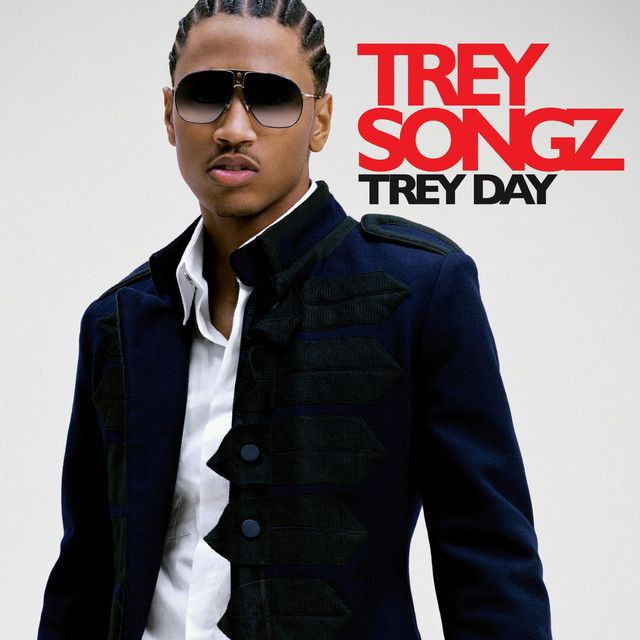
Factually, "Last Time" was released as a single from Trey Day in 2008 and became a top 10 hit on Billboard's Hot R&B/Hip-Hop Songs chart. It was written by Tamir Ruffin, Tremaine Neverson, Kendrick Dean, Quinton Amey, and Bryan-Michael Cox, and produced by Bryan-Michael Cox and Kendrick Dean. Those release and credit details are widely listed in major discographies and chart archives.
A Promise That Already Sounds Broken
The hook is simple, but that is why it works. When the singer says this is the last time
, they are not hearing confidence. They are hearing someone trying to convince both his partner and himself.
Right after that promise, he admits he is still pulled away. The repeated idea of callin' me
matters because it turns temptation into something active and urgent. He is not presenting himself as in control. He sounds dragged by desire, routine, and ego.
Interpretation: the song is less about one isolated mistake and more about addiction to a lifestyle. The woman he keeps going back to may be a real person, but she also seems to stand for the streets, danger, and the version of himself he cannot let go.

Watch the official Last Time
music video
The Story Moves Like a Short Film
One reason the track stands out is its clear narrative shape. Rather than staying in one mood, it moves scene by scene.
Scene one: accusation and denial
The first verse opens in conflict. His partner questions where he has been, who he has been with, and what kind of life he is still tied to. He answers with swagger instead of honesty. Even when he denies crossing certain lines, he also sounds proud of his ties to the streets.
Scene two: the late-night return
In the next section, he comes home at dawn and tries to explain away the signs of drinking and cheating. The partner sees through him. Her anger is not only jealousy. She is worried about the future, about prison, children, and what his choices will destroy.
You can't leave nowWe gonna get youto a hospital
Scene three: tragedy
That brief crisis scene changes the whole song. Suddenly, all the earlier arguments look like warnings he ignored. The vacation plans, the apology, and his last-minute panic arrive too late. By the end, regret replaces bravado.
The Chorus Means More After the Ending
At first, the chorus sounds like a familiar R&B confession. After the final verse, it feels almost unbearable. The phrase break your heart
no longer means only emotional pain. It points to irreversible harm.
That is what gives the song its twist. Many tracks are about cheating and asking for one more chance. This one argues that repeated betrayal does not stay small. Over time, it grows into a full collapse of trust, safety, and life plans.
Interpretation: the chorus is written as a loop on purpose. Every return to the hook mirrors his repeated failures to change.
Love, Street Loyalty, and Self-Destruction
The deepest tension in the song is not just between two women. It is between domestic love and public identity. He still sees toughness and street reputation as part of who he is. That is why he resists being told to stop.
The partner, though, represents accountability. She remembers who he was, but she also asks who he plans to become. Her warnings about consequences make her the moral center of the story.
Several motifs hold the song together:
- phone calls and being summoned
- late-night hours and suspicion
- money, crime, and status
- hospitals, travel plans, and interrupted futures
Together, these images show a person split between comfort and chaos.
Why the Sound Feels So Heavy
Musically, "Last Time" leans into polished late-2000s R&B. The tempo is steady, the melody is smooth, and the production gives Trey Songz room to sound pleading rather than explosive. That matters.
If the beat were harder or more dramatic, the story might feel preachy. Instead, the soft arrangement makes the regret sink in slowly. His vocal delivery carries guilt, especially when the chorus repeats. The production does not fight the narrative; it cushions it, which makes the ending hit even harder.
This also fits Trey Songz's early career style. Around the Trey Day era, he often balanced romantic vulnerability with rawer street detail. "Last Time" pushes that mix further by turning a confessional R&B setup into a tragic narrative.
A Final Reading of "Last Time"
So, what is the meaning of Last Time Trey Songz? It is a warning about the cost of repeated bad choices. The song shows a man who thinks he still has time to fix things, only to learn that time has run out.
That is why the track lingers. It is not just about cheating. It is about refusing to change until loss makes the lesson unavoidable.
Disclaimer: This interpretation is based on the lyrics, song credits, and the track's narrative details. As with many songs, listeners may hear different meanings in its characters and symbolism.








