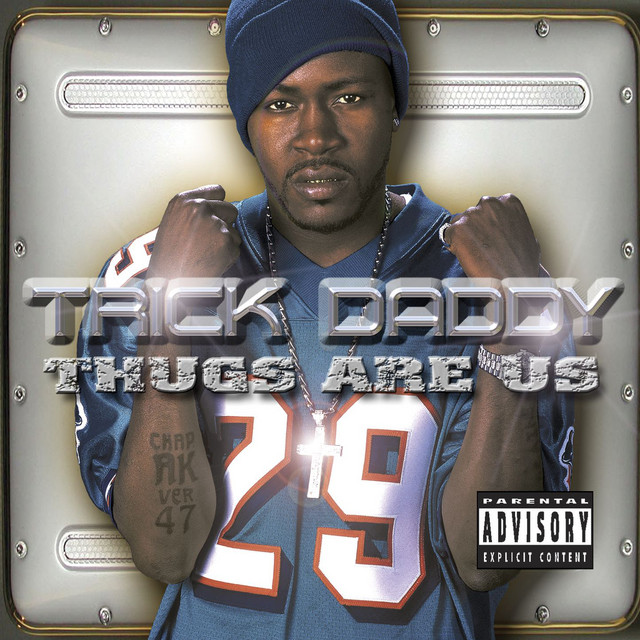
How Trick Daddy Turned Miami Into a Party Cry
The meaning of Take It to da House Trick Daddy starts with motion. This is a song about making people move, but it is also about making a city visible. Released in 2001 as the lead single from Thugs Are Us, the track brought Trick Daddy together with members of the Slip-N-Slide roster under the name the Slip-N-Slide Express, turning a label showcase into a full-blown regional anthem (Wikipedia).
"Take It to da House" - Trick Daddy
Yes, sir (uh-huh, uh-huh, get-)
Slip-N-Slide records (get down)
Loading lyrics...
Unable to load lyrics
We're unable to display the lyrics at this time. Please try again later.
More than two decades later, it still sounds built for packed rooms, sports arenas, and block parties. That staying power comes from how clearly it knows its job: hype the crowd, rep Miami, and make local swagger feel national.
The Real Point: A Party Song With a City Behind It
On the surface, the song is simple. It tells listeners to get up, get loose, and bring bigger energy to the room. The hook keeps returning to take it to the house
, a phrase that sounds like a command to push the party further.
But the song is not just about fun for fun’s sake. It ties that energy to place. When the chorus calls out M.I.A.
and 305
, it turns a club record into a Miami statement. The message is that this sound, this confidence, and this kind of celebration come from Dade County.
Interpretation: that is why the song feels bigger than a normal posse cut. It is not just introducing rappers; it is introducing a whole scene.
Watch the official Take It to da House
music video
How the Verses Build a Group Identity
Each verse adds to the same idea: this crew has enough personality and force to run the room. The rappers boast, flirt, joke, and challenge rivals, all while keeping the focus on crowd reaction. Early on, the song says it will make people get up out your seat
, which is really the standard the whole track tries to meet.
That matters because bragging in this song is practical, not abstract. They are not only claiming status; they are proving they can entertain. Even the rougher or more explicit lines fit that frame. The point is presence, volume, and spectacle.
A Roll Call Disguised as a Celebration
The guest appearances help the record feel communal. Trina, Money Mark, Co., J.V., and others do not shift the song into deep storytelling. Instead, they act like voices passing a mic at a live event. That creates the feeling of a local movement rather than a solo statement.
Interpretation: the track works like a musical flyer. It tells listeners who is in the building and why they matter.
Why the Chorus Hits So Hard
The chorus is repetitive, but that is exactly why it works. A line like we don't play
is not subtle, yet subtlety is not the goal. The hook is built to be shouted back, and its rhythm leaves room for bodies to move with it.
That simplicity also creates a kind of challenge. If the beat drops and the room still stands still, the song has failed. So the chorus keeps insisting on action until the listener gives in.
We don't play, we take it to the house
M.I.A., take it to the house
Those lines capture the whole song: intensity plus hometown pride.
The Sound: Funk Samples Turn Swagger Into Celebration
A big reason the record feels so alive is its production. According to the song’s release information, it heavily samples KC and the Sunshine Band’s Boogie Shoes and also contains elements from James Brown’s The Boss (Wikipedia). That matters because both sources bring dance-floor history with them.
Instead of a dark or minimal beat, the track uses bright funk bounce. The groove has a rolling, almost parade-like feel, which makes the verses sound less threatening than triumphant. Even when the rappers talk tough, the beat keeps pulling everything toward celebration.
This is key to the meaning of Take It to da House Trick Daddy. The production says the crew is powerful, but it says it with horns, swing, and movement. Their confidence is meant to be enjoyed in public.
Why the Beat Matches Miami
Miami rap has long thrived on bass, party rhythm, and a strong sense of local style. This song fits that tradition by sounding hot, open, and extroverted. It does not feel trapped inside headphones. It feels designed for cars, clubs, beaches, and loud speakers.
Interpretation: the music itself behaves like the city the lyrics praise—flashy, humid, social, and impossible to ignore.
Context Matters: Where the Song Landed
The track also crossed into mainstream culture. It reached No. 50 on the Billboard Hot 100, No. 23 on Hot R&B/Hip-Hop Songs, and No. 20 on Hot Rap Songs, showing that its local flavor still traveled widely (Wikipedia). It later appeared in films including Osmosis Jones, The Real Cancun, and Are We Done Yet?, which makes sense for a song so built around instant energy (Wikipedia).
That wider reach helps explain why the song remains memorable. It was specific enough to feel real, but catchy enough to work anywhere.
Final Take: More Than a Club Record
So what is the song really saying? At the most direct level, it tells people to party harder. Under that, it declares that Miami and Slip-N-Slide know how to control a room better than anyone else.
That is why the record lasts. It is not deep in a confessional sense, but it is clear in purpose. It turns local pride into a chant, and swagger into something communal.
Disclaimer: This interpretation combines documented facts about the song with critical reading of its lyrics, sound, and cultural context. Meaning can vary from listener to listener.







