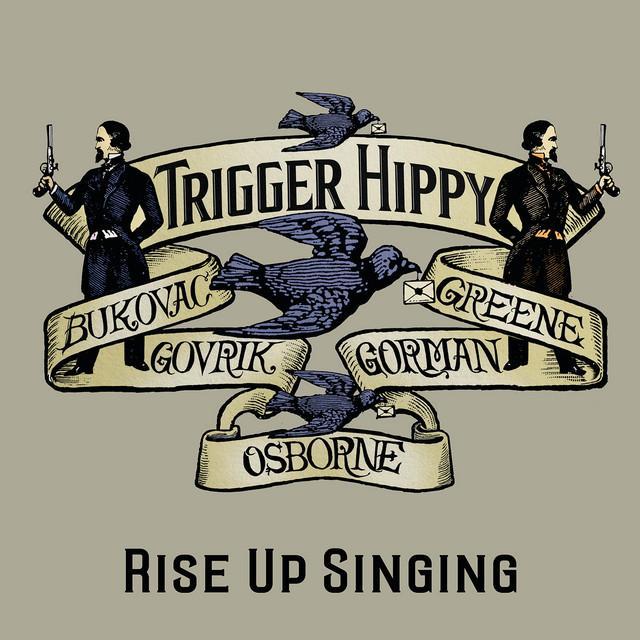
Rise Up Singing by Trigger Hippy
A Love Song Built From the Workday
The meaning of Rise Up Singing Trigger Hippy starts with a simple contrast: daily labor on one side, emotional rescue on the other. The song follows a narrator stuck in routine, moving from morning alarm to evening fatigue, then finding relief in love. That structure makes the track feel grounded and hopeful at once.
"Rise Up Singing" - Trigger Hippy
Hear the work bell warning
Shuffle to my 9 to 5
Loading lyrics...
Unable to load lyrics
We're unable to display the lyrics at this time. Please try again later.
Rather than chasing status or clever talk, the singer turns away from social noise and toward one person who gives life shape. Early lines about getting up, going to work, and dragging through the day set up a common American scene. When the song shifts into the chorus, that ordinary setting opens into a bigger dream of renewal.

Watch the official Rise Up Singing
music video
The Core Message Hides in Plain Sight
At its heart, the song says love can restore a worn-down spirit. The narrator is not asking for money, fame, or freedom from responsibility. They only want the emotional steadiness that keeps them going.
That idea appears in the line about a partner who keeps the soul in line. The phrase my soul in line
is brief, but it matters. It suggests discipline, calm, and moral balance, not just romance. This is not wild passion for its own sake. It is healing love.
Interpretation: the song also hints that love becomes a form of salvation. When the chorus promises rise up, singing with you
, the image feels almost spiritual. Rising up can mean feeling joyful after hardship, but it can also suggest transcendence—moving above doubt, boredom, and pain.
How the Verses Build That Feeling
From routine to revival
The opening verse is all routine. The narrator hears the warning bell, shuffles through a 9 to 5
, and comes home worn out. Those details matter because they make the song relatable. This is not an abstract poem. It is a worker's story.
Then the mood changes in the evening. The singer begins to come alive again, not because the world changed, but because love waits at the end of the day. The song turns the homecoming into a rebirth.
A past marked by hurt
The second verse deepens that story. The narrator says pain and doubt were learned long ago. That line broadens the song beyond simple job stress. The exhaustion is emotional and historical. This person has carried wounds for years.
Then comes the answer: love and kindness "cured" that blindness. Paraphrased, the song says affection helped them see clearly again. Blindness here works as a metaphor for despair, confusion, or mistrust.
One of these days
I'm gonna rise up
singing with you
This short refrain is the emotional center. It points toward a future that is not here yet, which gives the song both patience and faith.
Why the Chorus Feels So Uplifting
The chorus works because it does two things at once. First, it repeats a promise. Second, it turns private love into a shared act of music.
The phrase yes it's true
sounds almost like self-reassurance. The singer is convincing both the listener and themselves that renewal will happen. That makes the hook feel sincere rather than flashy.
There is also an old soul and gospel touch in the idea of rising while singing. In American roots music, singing often means survival, testimony, and community. Even without heavy religious language, the chorus borrows that emotional world.
Trigger Hippy Context Matters
Trigger Hippy emerged as a roots-rock band with strong ties to Southern rock, blues, and soul. Their self-titled debut and the later album Full Circle and Then Some frame the group as musicians who value groove, live-band chemistry, and classic songwriting traditions. That context helps explain why this song sounds warm rather than ironic.
The lyric was written by Jackie Greene, a songwriter known for blending Americana storytelling with rock and soul textures. According to the song data provided here, Greene wrote "Rise Up Singing," and that fits his style: plainspoken language, emotional directness, and a strong chorus.
How the Sound Carries the Meaning
Production and arrangement are central to the song's meaning. This is a rock song, but it leans on roots textures instead of aggression. The groove feels steady, like the working life described in the verses. Then the chorus opens up, giving the sense of emotional lift the lyric promises.
Backing vocals and repeated "ooh" phrases matter too. They create a communal feeling, as if the singer's private hope is becoming a group affirmation. In terms of song meaning, that shift is important: personal love starts to sound universal.
From a language point of view, meaning often comes from use and context, not just dictionary definition. As Wittgenstein's idea of meaning suggests, words gain force through how they are used. Here, "rise up" does not need a literal explanation. Its musical setting tells listeners it means emotional elevation.
A Few Strong Themes Run Through Every Section
Several themes hold the track together:
- Working-class fatigue: the day job is real and draining.
- Healing through love: affection repairs old wounds.
- Hope in the future: the best emotional moment is still ahead.
- Devotion over appearance: the singer rejects empty talk and chooses commitment.
Another key theme is loyalty. Near the end, the song becomes more direct and vulnerable, with a plea not to be left alone. That emotional simplicity keeps the message honest.
Final Take on the Song's Meaning
The meaning of Rise Up Singing Trigger Hippy is that love can lift a person out of routine, pain, and emotional numbness. Its verses stay close to daily life, but its chorus reaches for something larger: joy, faith, and shared release.
Interpretation: listeners can hear it as either a romantic song or a near-spiritual testimony about being saved by kindness. Both readings fit the words and the sound.
In the end, the song's strength comes from how little it pretends. It takes ordinary work, old hurt, and faithful love, then turns them into a promise of rising again.
Disclaimer: This interpretation is based on the released lyrics, musical context, and publicly available artist information. As with any song, listeners may hear meanings that differ from this reading.







