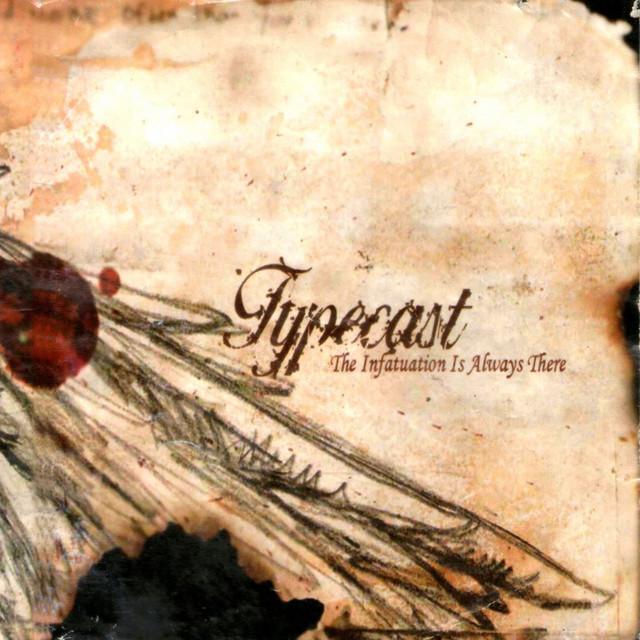
21 And Counting by Typecast
A short, aching song can sometimes say the hardest thing: guilt does not just hurt, it keeps replaying.
"21 And Counting" - Typecast
Provided by LyricFindI am waiting but I find myself looking I'm sick of myself I'm so lonely I just found out sometimes I can't control these tears everything is falling down on me I feel so cold and it's all my fault so this is how the guilt feels it can break you down toLoading...Loading lyrics...
Unable to load lyrics
We're unable to display the lyrics at this time. Please try again later.
Why This Track Still Hits So Hard
The meaning of 21 And Counting Typecast seems rooted in guilt, loneliness, and emotional self-punishment. From the available lyrics, the speaker is not just sad. They are stuck in the aftermath of something they believe they caused, and that belief is eating away at them.
The song opens with waiting and restless attention, then quickly turns inward. When the speaker admits I'm so lonely
, the line does more than describe being alone. It shows a person cut off from comfort, perhaps because shame has made closeness feel impossible.
Interpretation: This is less a story about one event than a portrait of a mind under pressure. The drama comes from what guilt does to perception: every feeling becomes heavier, every silence louder.
A Voice Turned Against Itself
One striking part of the lyric is how harshly the speaker judges themselves. In the phrase I'm sick of myself
, they do not only express frustration. They sound exhausted by their own thoughts, habits, and emotional spiral.
That matters because it shifts the song away from simple heartbreak. Plenty of sad songs blame another person or fate. Here, the speaker says it's all my fault
, which makes the song feel like a confession.
Interpretation: They may be dealing with a breakup, betrayal, or personal failure, but the exact event is left open. What is clear is that the emotional center is self-blame, not accusation.
The Emotional Timeline Beneath the Lyrics
The song’s movement is simple but effective. It unfolds in a few painful steps:
- They wait and watch, unable to settle.
- They realize their loneliness is deeper than they wanted to admit.
- Their feelings break through in tears they cannot manage.
- The world starts to feel like it is collapsing inward.
- Guilt becomes the final explanation for that collapse.
That sequence gives the track its shape. The speaker starts in uneasy reflection, but by the end they are emotionally overwhelmed. When they say everything is falling down
, it feels less like a literal event and more like their inner balance giving way.
Guilt as the Song’s Real Subject
The most important line may be the one that names the feeling directly: this is how the guilt feels
. That phrase acts like a key. It tells listeners that the tears, coldness, and collapse are not random emotions. They are symptoms of remorse.
so this is how the guilt feels
it can break you down too
This brief closing thought gives the song its emotional thesis. Guilt is presented almost like a force or weight. It does not just visit; it breaks a person down over time.
Interpretation: The title 21 And Counting may deepen that idea. It could point to age, suggesting someone young but already carrying a heavy burden. It could also suggest time passing with no relief, as if the count has not stopped because the feeling has not ended.
Coldness, Tears, and Collapse
The imagery in the song is spare, but it is focused. The speaker says they cannot control their tears and that they feel cold. These are common images in emotional writing, yet here they work because they stay connected to one central idea: guilt has become physical.
Tears show overflow. Coldness suggests numbness and distance. Collapse suggests loss of structure. Together, those images create the sense of a person whose emotional defenses have failed.
This is one reason the song feels intimate. It does not use ornate symbols or long storytelling scenes. Instead, it uses bodily and environmental feelings to make inner pain legible.
How Typecast’s Style Likely Shapes the Meaning
Typecast are widely associated with alternative rock and emo-influenced guitar music in the Philippine scene, a style often praised for pairing melody with emotional urgency. Even without confirmed production details here, that musical background helps frame the song’s effect.
In that tradition, meaning is often carried by contrast:
- tense verses that sound inward and restrained
- guitars that widen the emotional space
- a vocal delivery that pushes vulnerability to the front
- dynamic release when the feeling becomes too large to contain
Interpretation: For a lyric centered on guilt, that kind of arrangement would make sense. A tight, anxious verse can mirror rumination, while a louder section can feel like the speaker finally cracking under the weight of regret.
More Than Sadness, Less Than Closure
An important part of the meaning of 21 And Counting Typecast is that the song offers no clean resolution. There is no sign of forgiveness, healing, or even explanation. That absence is powerful.
The song seems interested in the middle of pain rather than its ending. The speaker is still inside the feeling, still trying to understand it, still being crushed by it. For listeners, that can feel honest. Real guilt often arrives before clarity does.
Final Take
At its core, the song appears to be about what happens when regret turns inward and becomes identity. The speaker does not simply feel bad about something; they begin to define themselves through fault, loneliness, and emotional collapse.
That is why the track lingers. It captures the moment when sadness hardens into self-reproach, and when guilt stops being an idea and starts feeling like weather.
Disclaimer: This article offers interpretation based on the lyrics provided and general artist context. As with many songs, meanings can vary from listener to listener.







