Why 'Bang A Gong' Still Sparks
The meaning of Bang A Gong (Get It On) U2, Elton John starts with a useful truth: this is not a song built on plot. It is built on charge. Marc Bolan wrote it for T. Rex in 1971, and the original quickly became a glam-rock landmark, spending four weeks at No. 1 in the UK and reaching No. 10 in the US under the longer American title, Bang a Gong (Get It On) (Wikipedia).
"Bang A Gong (Get It On)" - U2, Elton John
Clad in black, don't look back
Hey, I love you
Loading lyrics...
Unable to load lyrics
We're unable to display the lyrics at this time. Please try again later.
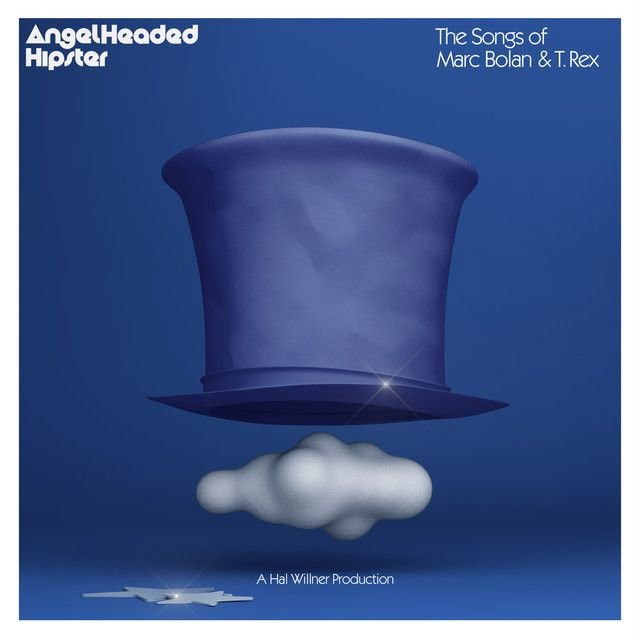
When U2 covered it with Elton John for the 2020 tribute album Angelheaded Hipster: The Songs of Marc Bolan & T. Rex, they were not trying to rewrite its meaning. They were stepping into its glittery, teasing world and showing why that world still works.
The Core Idea Behind the Song
At its heart, the song is about desire turned into style. The speaker is dazzled by someone who feels rebellious, sexy, and impossible to pin down. The lyrics do not describe a realistic person in plain terms. Instead, they pile up bold images until attraction feels mythic.
That is why phrases like dirty and sweet
matter so much. The song pairs innocence with danger, tenderness with swagger. It presents a person who seems both approachable and untouchable.
Interpretation: Rather than saying love is stable or pure, the song suggests that attraction often begins in contradiction. The other person is exciting because they refuse to fit one simple label.
Watch the official Bang A Gong (Get It On)
music video
Glam Rock Dreams, Not Plain Speech
Bolan’s writing in this song is famous for its strange, shiny language. He compares the love interest to machines, animals, fashion, and fantasy symbols. One of the best examples is built like a car
, which makes the body feel sleek, fast, and designed for motion.
Another vivid image, diamond star halo
, turns the person into a glam icon. They are not only attractive. They are lit up, almost sacred, but in a very rock-and-roll way.
This is a key part of the song’s meaning. It treats desire like performance. The beloved becomes a character made of chrome, glitter, and attitude.
Why the Images Feel So Loose
The lyrics can seem random at first because Bolan was not aiming for strict logic. He was creating sensation. Glam rock often prized mood, surface, and persona as much as narrative.
Interpretation: The song’s unusual metaphors mirror the rush of attraction itself. When someone feels magnetic, people may not describe them clearly. They reach for fragments, flashes, and exaggeration.
What the Chorus Really Does
The chorus is simple, repetitive, and impossible to forget. That is the point. After the verses pile up image after image, the hook cuts through with pure action: get it on
and bang a gong
.
Those lines are less about explanation than release. They turn the song from description into invitation. The speaker stops admiring from a distance and pushes toward the moment.
Get it on
bang a gong
get it on
Interpretation: The chorus sounds like a slogan for surrendering to excitement. It can suggest romance, sex, dance, or just the act of fully entering the beat. Its power comes from how open it is.
How the Music Carries the Meaning
The original recording matters a lot to the song’s message. T. Rex’s version blends glam rock, boogie rock, and bluesy swagger, with production by Tony Visconti (Wikipedia). The groove is thick and circular. Instead of rushing forward, it struts.
That strut is essential. The riff gives the song a physical confidence, while the saxophone and piano touches add shine and lift. The result is a sound that feels both dirty and polished, which perfectly matches the lyric world.
There is also a small historical detail that deepens the song’s feel: Bolan said the track grew from his desire to record Chuck Berry’s Little Queenie, and the famous riff connection helps explain why the song feels rooted in older rock and roll even while sounding glam and modern for 1971 (Wikipedia).
What U2 and Elton John Add
U2’s version with Elton John arrives with built-in reverence. It was recorded for a tribute album devoted to Bolan’s catalog, and Elton John publicly described it as an interpretation with U2 for that release (Wikipedia).
That word, “interpretation,” is useful. U2 do not erase the song’s flirtation, but they frame it as legacy too. Their scale makes the song feel more monumental. Elton John’s piano is especially meaningful because he was linked to the song’s history long before this cover; he famously mimed piano on a 1971 Top of the Pops performance of the original (Wikipedia).
So the cover carries two meanings at once:
- the original thrill of seduction and glam play
- a later tribute from major artists honoring a foundational hit
A Few Key Symbols Decoded
Several images help explain why the song lasts:
dirty and sweet
: desire as mixed, messy, and irresistiblebuilt like a car
: speed, design, and physical glamouruntamed youth
: freedom that cannot be domesticateddance when you walk
: a body so alive it creates rhythm naturally
None of these lines tells a story in a literal way. Together, though, they build a portrait of someone whose energy changes the room.
Final Take on the Meaning
The meaning of Bang A Gong (Get It On) U2, Elton John is not hidden in a complicated plot. It lives in the song’s texture: lust, style, humor, motion, and worshipful exaggeration. Bolan’s words make attraction feel like a glitter storm, and U2 with Elton John remind listeners how durable that feeling is.
In the end, the song says that desire is sometimes less about knowing a person clearly and more about being overwhelmed by their force. That is why it still hits.
Disclaimer: This interpretation mixes documented facts about the song’s history with critical reading of its lyrics and sound. Meaning can vary from listener to listener.








