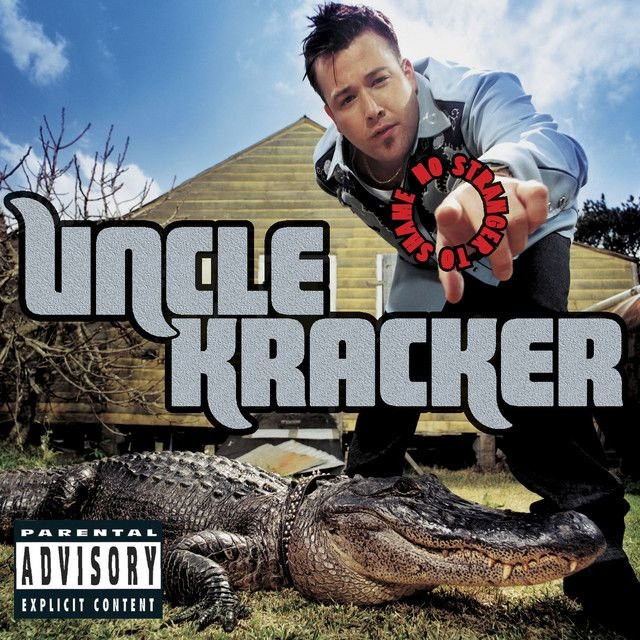
Why ‘Drift Away’ Still Feels Like Rescue
The meaning of Drift Away Uncle Kracker comes down to one simple idea: when life feels confusing, music can steady a person and carry them somewhere kinder. Uncle Kracker’s 2003 hit is a cover, but it does not feel like a museum piece. It feels lived in, relaxed, and deeply grateful for what songs can do.
"Drift Away" - Uncle Kracker
Yet I look for the light in the pouring rain
You know that's a game that I hate to lose
Loading lyrics...
Unable to load lyrics
We're unable to display the lyrics at this time. Please try again later.
That feeling matters even more because this version features Dobie Gray, whose 1973 recording made the song famous. In Uncle Kracker’s hands, “Drift Away” becomes both a singalong and a tribute.
A Chorus About Escape, Not Running Away
The song opens in a place of strain. The narrator feels lost, tired, and emotionally overloaded. Even before the big hook arrives, the verses suggest someone trying to find hope in bad weather and mental noise. When they ask for the music to free my soul
, they are not describing a literal rescue. They are asking for relief.
That is the heart of the song. The chorus uses familiar language about getting lost in sound, but the deeper point is healing. The wish to drift away
sounds passive at first, yet it is really active trust. They choose music as a way to survive pressure.
Interpretation: the song is not about giving up on life. It is about stepping out of stress long enough to feel human again.
Watch the official Drift Away
music video
Where the Verses Aim the Emotion
The verses build the need that the chorus answers. Early lines describe confusion and frustration. The world seems cold, and the narrator does not fully understand their own choices. That detail makes the song relatable. It does not present one dramatic crisis; it captures the everyday feeling of being worn down.
A key phrase is the world outside
. That image sets up a contrast between public hardness and private comfort. Outside is unkind. Music, by contrast, becomes a safe interior place.
Later, the song gets more direct about why music matters. When the narrator says a melody can move me
, they explain that songs do more than entertain. They change mood, lift energy, and create emotional motion when someone feels stuck.
The Real “You” in the Song
One smart part of the writing is the shifting meaning of “you.” In the verses and chorus, the listener may first think the narrator is speaking to a person. But as the song unfolds, it becomes clear that the real “you” is music itself, or maybe the musicians making it.
That is why the song’s thanks feel so sincere. When it praises rhythm and rhyme and harmony
, it turns abstract musical elements into companions. The narrator is not simply enjoying a tune. They are honoring an art form that helped them endure a rough time.
Why Uncle Kracker’s Version Landed So Well
Mentor Williams wrote “Drift Away” in 1970, and the song became a major hit for Dobie Gray in 1973. Gray’s version reached No. 5 on the Billboard Hot 100 and earned a Gold certification in the United States, according to the song’s chart history documented by Wikipedia’s summary of the release and reception. Uncle Kracker’s remake, released on January 27, 2003, featured Gray himself and appeared on No Stranger to Shame. It reached No. 9 on the Billboard Hot 100 and spent a then-record-setting 28 weeks at No. 1 on Billboard’s Adult Contemporary chart, as noted in the same chart record summary: Drift Away - Wikipedia.
Those numbers help explain why the cover became so familiar in the United States. But they do not explain the full appeal. The arrangement does.
How the Sound Carries the Meaning
Uncle Kracker’s version smooths the song into an easygoing blend of country-pop, soft rock, and blue-eyed soul. Produced by Michael Bradford and Uncle Kracker, the track avoids heavy drama. Instead, it leans on warm guitars, steady drums, bright backing vocals, and a friendly, unhurried groove, with production credits and release details summarized here: Drift Away - Wikipedia.
That choice fits the lyric perfectly. A song about being soothed should sound soothing. The beat never pushes too hard. The vocal delivery feels conversational rather than tortured. Even the duet structure helps. Dobie Gray’s presence gives the song history and authority, while Uncle Kracker adds an approachable, radio-friendly calm.
Interpretation: this relaxed production makes the song’s promise believable. The track itself performs the comfort the lyrics describe.
A Tribute Hidden Inside a Cover
Because Dobie Gray appears on the 2003 version, this remake works on two levels. First, it tells the story inside the lyric: music saves the narrator from emotional overload. Second, it honors the song’s own legacy. A cover of “Drift Away” featuring the singer most associated with it becomes a statement about how songs keep living across decades.
That gives the Uncle Kracker version extra warmth. It does not try to outdo the classic. It thanks it.
One More Way to Read It
There is also a broader reading of the meaning of Drift Away Uncle Kracker. The song can be heard as an anthem for listeners who depend on music during hard seasons. It is not just about one bad day. It is about the long relationship people build with songs that keep showing up when they need them.
That is why the hook remains so strong. Almost everyone knows what it feels like to need a track that clears mental fog for three or four minutes.
Final takeaway
“Drift Away” lasts because it says something simple and true: music can hold people together when life feels jagged. Uncle Kracker’s version keeps that truth intact, and Dobie Gray’s feature deepens it.
Their performance turns a classic into a gentle reminder that songs do not only describe feelings. Sometimes, they help carry them.
Disclaimer: This article offers interpretation alongside verified release facts and chart history. Song meaning can remain open to individual listeners.









