Why “8 Legged Dreams” Feels So Unsettling
The meaning of 8 Legged Dreams Unlike Pluto centers on what happens when fear stops feeling imaginary. On the surface, the song describes a nightmare full of spiders, webs, and sleepless dread. Under that horror image, though, it sounds like a portrait of anxiety: the kind that distorts thought, traps the mind, and makes rest feel dangerous.
"8 Legged Dreams" - Unlike Pluto
Eight legged dreams arise
Cobwebs in my eyes
Loading lyrics...
Unable to load lyrics
We're unable to display the lyrics at this time. Please try again later.
Unlike Pluto is the project of Armond Arabshahi, an Atlanta-born singer, songwriter, and producer known for blending electronic music with alternative rock and darker pop textures, according to publicly available artist background information. His work after the Pluto Tapes era often pushed toward more emotional, genre-mixing songs, and 2020’s “8 Legged Dreams” arrived during a period when he was leaning harder into moody, psychologically vivid writing.
A Nightmare Song With a Mental Health Core
At its most direct level, the song is about recurring nightmares. The opening frames sleep as a trigger, not a comfort. When night begins, eight legged dreams arise
, and the imagery quickly becomes claustrophobic. The singer is not just scared of spiders; they are overwhelmed by a whole system of fear.
That is why the song feels bigger than a creature feature. The line about being stuck in a web of lies
suggests emotional or psychological entrapment. This is where the song’s deeper meaning emerges. Interpretation: the “lies” may be outside deception, but they may also be the false stories anxiety tells—worst-case scenarios, paranoia, or self-defeating thoughts.
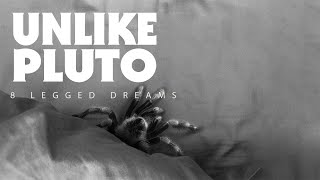
Watch the official 8 Legged Dreams
music video
The Mind as the Real Monster
The clearest clue comes in the section where the singer admits, in effect, that the problem lives inside the mind. The song says fears grow there, and that the mind can twist perception. That makes the spider image symbolic rather than purely literal.
A short phrase like my mind plays tricks
does a lot of work. It shifts the song away from external danger and toward altered perception. The fear is real to the person feeling it, even if the threat is partly created by stress, trauma, or exhaustion.
My mind is a place
Where fears are raised
This brief passage is the heart of the song. It presents fear as something cultivated internally. The nightmare does not simply attack the speaker; it grows in the same space where thoughts and memories live.
Why the Spider Imagery Works So Well
Spiders are a smart symbol because they combine several feelings at once:
- They are common nightmare material.
- They build webs, which suggest being trapped.
- They move when people are vulnerable or not paying attention.
- They trigger fear even when they are small.
So when the song mentions cobwebs in my eyes
, it does more than set a creepy scene. It suggests blurred vision, confusion, and an inability to see reality clearly. Likewise, being paralyzed like a fly
captures helplessness. The speaker is not fighting well; they are frozen.
That detail matters because anxiety often feels exactly like that. People do not always run from fear. Sometimes they just lock up.
The Chorus Turns Fear Into a Ritual
The repeated promise to stay awake is one of the song’s strongest ideas. Instead of sleep bringing peace, wakefulness becomes a defense. Interpretation: they are bargaining with fear, telling themself that if they avoid sleep, they can avoid what their subconscious will reveal.
The lines about stress lingering after waking support that reading. The song understands that bad dreams do not end when morning comes. They can leave an emotional residue that hangs around all day. In that sense, the track is not only about nightmares at night; it is also about the aftershock.
The phrase never gonna wake up
sounds extreme, but that is why it works emotionally. It captures the panic of a nightmare state where time stretches, escape feels impossible, and the mind believes the fear may last forever.
How Unlike Pluto’s Sound Supports the Meaning
Unlike Pluto has built a career on crossing electronic production with rock-minded intensity, and that matters here. Even without quoting production notes, listeners can hear how the song’s sharp repetition and tense momentum reinforce its subject.
The beat feels cyclical, which mirrors obsessive thinking. The vocal delivery also helps. Rather than sounding detached, they sound caught inside the loop. Repetition in the hook acts like a mental spiral, returning to the same thought again and again.
That fits Arabshahi’s larger artistic identity. Public bios note that he moved away from a pure EDM lane because he wanted more room to combine genres and explore darker, more personal themes. “8 Legged Dreams” benefits from that freedom. It feels pop enough to be catchy, but uneasy enough to stay under the skin.
A Few Strong Readings of the Song
There is more than one valid way to hear it:
Reading One: A literal nightmare narrative
The song can simply be heard as a vivid account of sleep paralysis, bad dreams, and dread of bedtime.
Reading Two: Anxiety and intrusive thoughts
This is the strongest interpretation. The webs, lies, tricks, and stress all point toward a mind caught in recurring fear.
Reading Three: Emotional manipulation
The “web of lies” image also allows a relationship reading, where another person has created confusion and lasting damage that now follows the speaker into sleep.
The Lasting Meaning of “8 Legged Dreams”
What makes the meaning of 8 Legged Dreams Unlike Pluto stick is how clearly it turns mental distress into physical imagery. They take something invisible—fear, stress, distorted thinking—and give it legs, webs, and fangs.
That is why the song resonates. It is creepy, but it is also relatable. Many listeners know the feeling of being tired, stressed, and unable to trust what their own mind is doing in the dark.
Disclaimer: This article offers interpretation based on the lyrics, performance, and available artist context. Song meanings can vary from listener to listener unless the artist has confirmed a specific intent.









