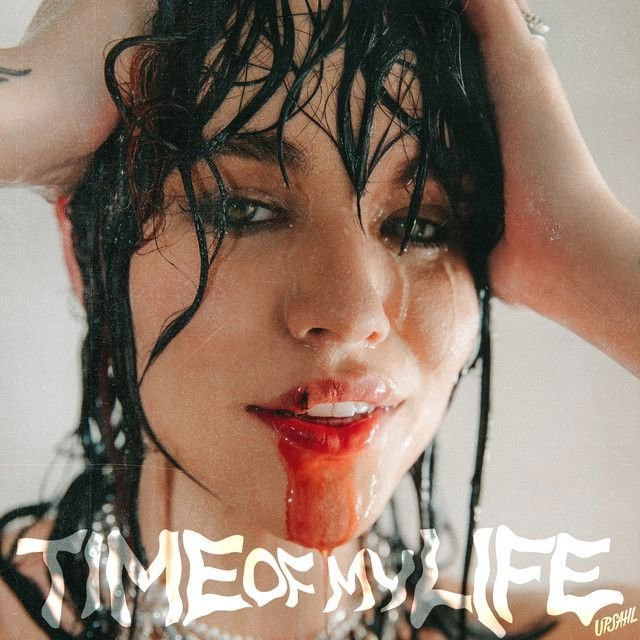
Why UPSAHL's 'Time of my Life' Hurts
The meaning of Time of my Life UPSAHL comes from a sharp contradiction: life is supposed to be exciting, but the singer feels lost inside it. The song turns a celebratory phrase into a bitter joke. Instead of enjoying youth, they move through birthdays, parties, hookups, and self-improvement with a growing sense that none of it is working.
"Time of my Life" - UPSAHL
This isn't that much fun
I made a bunch of friends
Loading lyrics...
Unable to load lyrics
We're unable to display the lyrics at this time. Please try again later.
UPSAHL, an alt-pop artist known for witty, messy, high-energy writing, often leans into emotional chaos with a sarcastic edge. That style matters here. The song is funny, blunt, and catchy, but its core feeling is exhaustion.
The central idea hiding in plain sight
At its heart, this track is about disappointment with early adulthood. The speaker has tried to follow the rules, tried to socialize, and tried to present a confident version of themselves. Still, they feel anxious, numb, and disconnected.
That is why the chorus lands so hard. When the song asks why the worst days happen during the supposed time of my life
, it exposes a common fear: what if these years everyone praises are not actually joyful at all?
Interpretation: The song is less about one bad week and more about a whole phase of life that feels overhyped. It challenges the cultural promise that youth automatically equals freedom and happiness.

Watch the official Time of my Life
music video
A speaker caught between image and reality
The verses build that idea through ordinary details. The line about being done with twenty-one
does not just mark an age. It suggests burnout with the identity that comes with being young, social, and expected to have fun.
They describe making friends mainly to justify getting drunk, buying clothes that do not fit, and going to parties for unhealthy reasons. Each detail shows performance instead of connection. The outer life looks active, but the inner life feels empty.
That split gets even clearer with the mirror image. After a year of looking at themselves, they still do not fully recognize the person staring back. This is one of the song’s strongest ideas: adulthood can feel like acting in a role before they know who they really are.
The chorus turns celebration into irony
The chorus uses party language, but flips it. A birthday should feel affirming. Here, it becomes another moment when public celebration collides with private despair.
The song’s darkest line is brief and direct, and that bluntness is part of its power. It is not dressed up in poetry. It arrives like an intrusive thought in the middle of a pop hook.
Yeah, baby, it's my birthday
But I still wanna die
The point is not shock for its own sake. The contrast shows how invisible pain can be, even during events that are supposed to be joyful. The song captures the strange pressure to look grateful, hot, and fun while feeling the exact opposite.
Doing everything right and still feeling wrong
One of the smartest parts of the lyric is the list of responsible actions. They say I cleaned my room
and I paid my dues
, then stress that they followed the advice everyone gave.
That matters because it removes an easy explanation. This is not a song where the speaker thinks chaos happened only because they ignored every warning. Instead, they tried self-improvement and common sense, yet the reward never came.
Interpretation: The song argues that emotional pain is not always solved by good habits or social approval. Sometimes someone can check every box and still feel awful. That truth gives the song its bite.
Symbols of fake adulthood
Several images repeat the same idea in different ways:
- Parties suggest freedom, but also emptiness.
- A fake ID marks a past attempt to rush maturity.
- Clothes that do not fit hint at identities that do not fit either.
- The mirror becomes a test of self-recognition.
- The birthday symbolizes the pressure to celebrate growth on schedule.
Together, these details make the song feel specific and relatable. It is not speaking in vague sadness. It is naming the rituals people use to prove they are living fully, then showing how hollow those rituals can become.
How the sound carries the message
Musically, the song works because it does not sound defeated. It moves with bright, punchy alt-pop energy, the kind of production that fits a night out. That contrast is crucial.
The beat and vocal attitude create the public mask, while the lyrics reveal the panic under it. When the hook comes around, the catchiness almost forces the listener to sing along to something miserable. That tension mirrors the song’s meaning perfectly.
The writing credits provided for the song list Peter Anthony Nappi, Sean Thomas Kennedy, and Taylor Cameron Upsahl. Their collaboration helps explain why the track feels both polished and personal: it has the snap of modern pop writing but keeps UPSAHL’s conversational edge.
Another way to read the song
There is also a second reading worth considering. Beyond youth culture, the song can be heard as a critique of consumer fixes. Friends, romance, clothes, parties, and advice all fail to cure the deeper issue.
When the singer says they want their money back, the line sounds funny, but it also suggests they were sold a version of life that did not deliver. In that sense, the song is not only about sadness. It is about false advertising around adulthood itself.
Why the song connects
What makes the meaning of Time of my Life UPSAHL stick is its honesty about a feeling many people hide: being miserable during the years they are told should be unforgettable. The song understands that public fun and private pain often happen at the same time.
That is why it resonates. It gives sharp language to the experience of doing everything expected, looking amazing, showing up anyway, and still not feeling okay.
Disclaimer: This interpretation is based on the released lyrics, musical choices, and publicly available credits. Like any song, its meaning can vary from listener to listener.








