Why Usher's "You Make Me Wanna..." Still Stings
The meaning of You Make Me Wanna... USHER comes down to a hard emotional truth: sometimes a person does not plan to fall for someone new, but the feeling grows anyway and forces a choice. Usher's hit turns that messy moment into a smooth, intimate confession. It is not really a song about lust alone. It is about emotional drift, guilt, and the dangerous closeness that can grow between friends.
"You Make Me Wanna..." - USHER
This is what you do
This is what you do
Loading lyrics...
Unable to load lyrics
We're unable to display the lyrics at this time. Please try again later.
The Heart of the Conflict
At its core, the song follows a narrator who is already in a relationship but has developed deeper feelings for another person. The hook says it plainly with the phrase leave the one I'm with
. That line matters because it raises the stakes immediately. This is not harmless flirting. The narrator is imagining ending one life and starting another.
Just as important, the new person is not a stranger. The song explains that they were like a confidant during hard times. When relationship problems came up, this friend offered comfort and advice. That emotional support turns into attraction, and attraction turns into a real fantasy about commitment.
The next leap is what makes the song memorable: the narrator is not only thinking about dating. They are also thinking about a future, hinted at in think about a ring
. That phrase shows how fast and how far the mind has gone.

Watch the official You Make Me Wanna...
music video
From Friendship to Temptation
How the verses build the story
The song's verses move in a clear sequence:
- The narrator starts with friendship.
- They begin leaning on that friend during trouble at home.
- Private thoughts shift toward desire.
- Guilt sets in as they realize the feelings are real.
- They decide the current relationship may have to end.
That timeline is one reason the song feels believable. It does not present a random crush. It shows how emotional intimacy can slowly become romantic tension.
One telling moment is the idea that the friend was the person they would run to when things were falling apart. Later, the narrator admits they keep thinking about that person at night. In simple terms, the song argues that the real relationship change often begins in the mind before any outward action happens.
Why the Chorus Hits So Hard
The chorus works because it is both catchy and morally uneasy. The repeated phrase start a new relationship
sounds almost clean and organized, but the verses make clear that the situation is anything but simple. That contrast gives the hook its power.
Interpretation: the chorus may sound decisive, but the song itself is full of hesitation. The narrator keeps circling the same desire because they are trying to convince themselves that this emotional shift is unavoidable. Repetition becomes a sign of obsession.
Another key phrase is this is what you do
. On the surface, it blames the other person for stirring these feelings. But it also sounds like self-protection. The narrator may be shifting responsibility away from themselves because facing their own choices is harder.
A Confession Wrapped in Smooth R&B
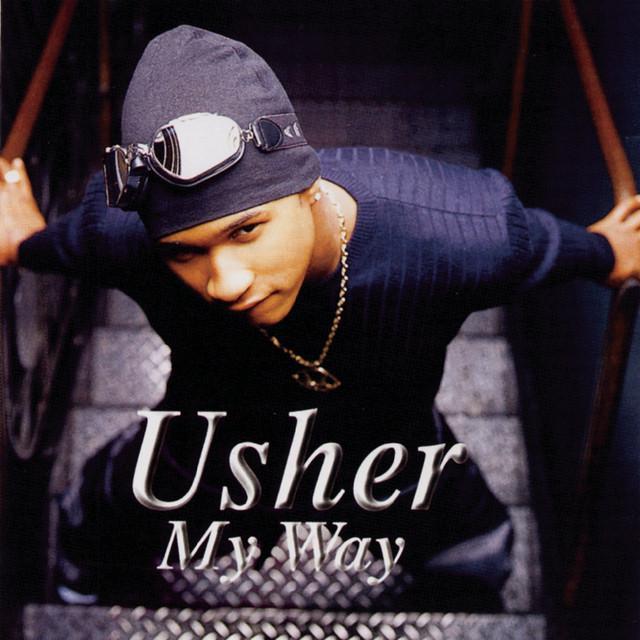
Part of the song's lasting appeal is its production. "You Make Me Wanna..." appeared on My Way and helped define Usher's late-1990s rise as a major R&B star, a fact widely noted in career summaries from sources like Billboard and the Recording Academy. The track is commonly credited to Usher, Manuel Seal, Jermaine Dupri, and others in official discographies and databases such as AllMusic.
Musically, the song is restrained. Instead of big drums or dramatic vocal fireworks, it leans on a soft groove, light percussion, and spacious arrangement. That minimal sound gives the lyrics room to breathe. It feels less like a performance and more like a private conversation.
Usher's vocal delivery matters too. They sing with a gentle, persuasive tone rather than a desperate one. That choice softens the moral tension just enough to keep the listener close. The narrator sounds conflicted, not cruel.
The Themes Beneath the Surface
Commitment, guilt, and emotional honesty
Several themes run through the song:
- Emotional cheating: feelings have crossed a line before any formal breakup.
- Confession: the narrator is finally admitting what has been building.
- Commitment anxiety: they love one person but imagine a future with another.
- Responsibility: they know someone will get hurt.
A brief section near the end brings the strongest remorse. The narrator admits they never meant to hurt their partner, but the feeling is now out of control
. That phrase is crucial because it reveals both honesty and avoidance. They recognize the pain they may cause, yet they describe desire as something that happened to them.
Interpretation: the song can be heard as a portrait of someone trying to turn emotional confusion into moral clarity. They want to believe ending the relationship is the honest move, even if the path to that honesty was messy.
Why It Still Connects
The meaning of You Make Me Wanna... USHER still resonates because it captures a very human contradiction: people want to see themselves as loyal and decent, even when their feelings are shifting somewhere else. The song does not solve that contradiction. It simply lets listeners sit inside it.
That is why the track has lasted. It mixes a relatable dilemma with polished R&B and a hook that feels immediate. Many love songs promise certainty. This one is about the moment before certainty, when desire, guilt, and fantasy all collide.
Final Take on the Song's Meaning
In the end, "You Make Me Wanna..." is about crossing an emotional line long before a relationship officially ends. Its friend-to-lover setup, calm production, and conflicted voice make it feel intimate instead of sensational.
Disclaimer: This interpretation is based on the song's lyrics, performance, and public career context. As with any song, listeners may hear different meanings in its story and emotional tone.