Why 'Fire in the Twilight' Still Glows
The meaning of Fire in the Twilight Wang Chung comes down to one vivid idea: a person on the edge of change becomes a symbol for everyone else who feels trapped. The song is dramatic, mysterious, and a little uncertain by design. Rather than telling a detailed story, it builds the image of a troubled leader who might guide others out of pressure, routine, or control.
"Fire in the Twilight" - Wang Chung
The man who leads the way, the man who leads the way.
Shell in it's box from his home that they'll never tame,
Loading lyrics...
Unable to load lyrics
We're unable to display the lyrics at this time. Please try again later.
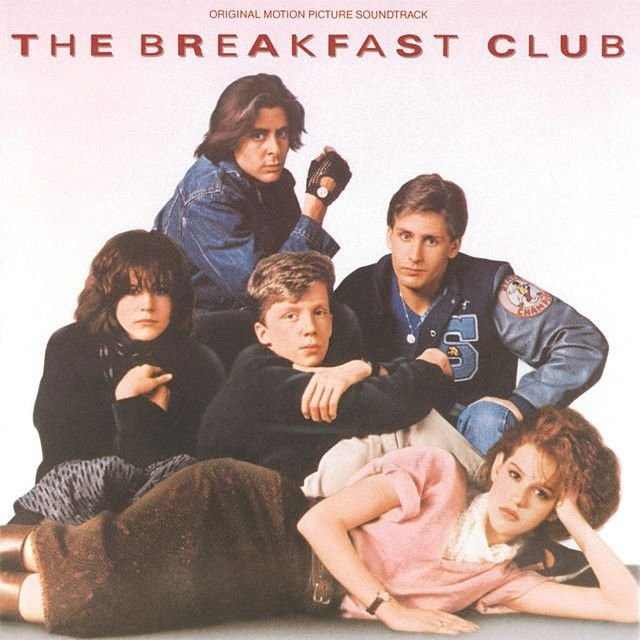
Wang Chung recorded the song for the 1985 film The Breakfast Club, a key fact in understanding its mood and purpose. According to the band history summarized by Wikipedia, the group cut the track during its mid-1980s soundtrack period, when it was also becoming known for cinematic work. That context matters: this song feels built for restless young characters standing between who they are and who they might become.
The Song’s Core Idea Burns at Dusk
At the center of the lyric is a man under pressure. Early lines place him hot on the run
and stuck in a power game
. Paraphrased, the song introduces someone trying to break free from systems that want to control him. He is not calm or settled. He is already moving.
That motion gives the song its emotional charge. The repeated image of burning in the twilight
suggests a person caught in a threshold moment. Twilight is not full day and not full night. It is the hour between identities. Fire, in turn, suggests danger, passion, pain, and transformation.
Interpretation: together, those images make the character feel less like a normal protagonist and more like a symbol of change itself.

Watch the official Fire in the Twilight
music video
A Leader Figure Who May Not Be Secure
The lyric keeps calling him the man who leads the way
, but it also undercuts that confidence. The song asks whether he is real, whether he can truly guide anyone, and whether he is slipping back into old habits. In plain terms, the song presents leadership as something fragile.
This is one reason the track still feels interesting. It does not celebrate a perfect hero. It shows a person others want to believe in, even while signs of weakness keep appearing. He seems lonely, hurt, and still searching.
He is burning, turning to face us, fire in the twilight.
That short hook sums up the emotional picture. He is not only escaping; he is also confronting the people watching him. The song turns him toward the crowd, which makes him feel public, exposed, and responsible.
How the Verses Build the Story
The two verses move through a clear pattern:
- They first frame the character as someone resisting control.
- They then show him stepping away from an ordinary identity.
- Finally, they question whether he can actually become a guide.
One especially revealing line describes him taking a break from the role of the everyday boy. Paraphrased, that means he is trying to leave behind a smaller, safer self. The song treats that shift as necessary, but also risky.
This is where the meaning of Fire in the Twilight Wang Chung opens up. It is not just about one man. It is about the moment when a person tries to become more than the role assigned to them.
Why The Breakfast Club Context Fits So Well
Because the song was recorded for The Breakfast Club, listeners often hear it through that film’s themes of teenage identity and social labels. That is a reasonable reading. John Hughes’s movie is all about young people boxed in by expectation, then briefly seeing beyond those boxes.
Interpretation: in that setting, the “man who leads the way” can represent any young person trying to escape a script written by parents, school, or peer culture. The phrase lead us away
then sounds less like following a savior and more like wanting a path out of false roles.
Factually, Wang Chung were an English new wave band formed in London in 1980, and this song arrived during a productive soundtrack era for them, as noted in the same band overview. Their polished, cinematic style made them a natural fit for film placements in the mid-1980s.
How the Sound Carries the Emotion
Even without quoting much of the lyric, the production helps explain the message. Wang Chung’s new wave sound often mixes tight rhythm, glossy synthesizers, and a sense of forward motion. Here, that style supports the idea of pursuit and transformation.
The beat pushes rather than relaxes. The chorus widens out and feels anthemic, giving the central figure a larger-than-life presence. At the same time, the song keeps an undercurrent of tension, which stops the track from feeling triumphant in a simple way.
That tension is important. The music says, in effect, that change is thrilling, but not safe.
The Best Reading: Hope Mixed With Doubt
The strongest reading is that the song portrays a would-be guide whose power comes from struggle, not certainty. He draws people because he seems alive in a deadening world. But the song never fully proves he can save anyone.
That ambiguity is the point. Many songs about rebellion make the rebel look complete. This one makes him unfinished. That is why it still feels human.
In the end, the meaning of Fire in the Twilight Wang Chung lies in its image of transformation at the edge of darkness: a lonely figure, half hero and half question mark, trying to move beyond control and asking others to come with him.
Disclaimer: This interpretation is based on the lyrics, the song’s soundtrack context, and Wang Chung’s era and style. Like many songs, it can support more than one reading.







