Heaven by Warrant
The meaning of Heaven Warrant comes down to a simple but powerful idea: love can turn a hard life into something that feels close to paradise. Warrant built this song as a power ballad, but its emotional center is not fantasy. It is memory, home, and the need to matter to one person more than to the whole world.
"Heaven" - Warrant
It's black and white and faded and it's looking pretty worn
I see the factory that I worked silhouetted in the back
Loading lyrics...
Unable to load lyrics
We're unable to display the lyrics at this time. Please try again later.
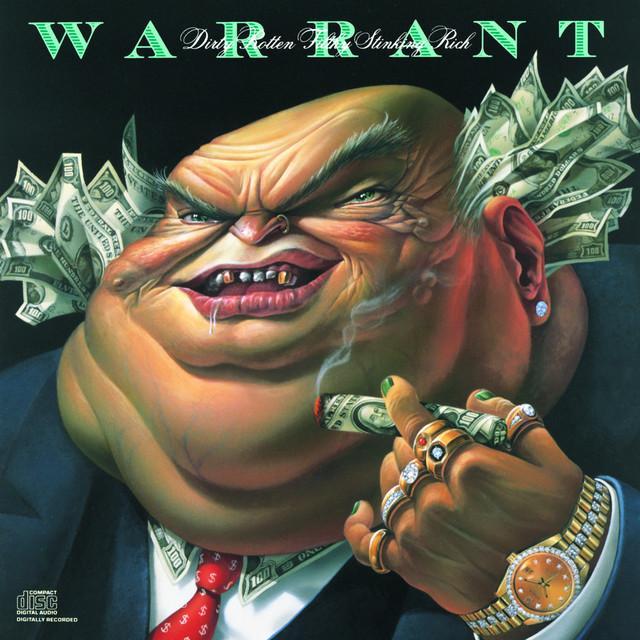
Released on Dirty Rotten Filthy Stinking Rich and later issued as a single in 1989, Heaven
became Warrant's biggest hit, reaching No. 2 on the Billboard Hot 100 and crossing over far beyond the glam-metal audience. Factual accounts from Songfacts and reference sources also note that it began before Warrant, in Jani Lane and Steven Sweet's earlier band Plain Jane, then grew into a key song in Warrant's rise.
More Than a Power Ballad Hit
On the surface, the track sounds like a classic late-1980s rock ballad: glossy guitars, swelling drums, and a chorus built to fill arenas. But the lyrics aim smaller, in a good way. Instead of bragging, the singer looks at an old photograph, a workplace, and the quiet routines of love.
That choice matters. They are not singing about conquest. They are singing about belonging.
Interpretation: The song argues that real success is emotional, not social. When the singer says they do not need to rule everything, that modesty reframes the entire track. The heart of the song is not celebrity or escape. It is being needed at home.

Watch the official Heaven
music video
The Story Hidden Inside the Verses
The first verse opens with memory. The image of an old house and a faded photo creates a worn, working-class world. The factory in the background makes the setting feel grounded and ordinary, not glamorous.
That ordinary backdrop is key to the meaning of Heaven Warrant. The song lifts daily life rather than running from it.
A short phrase like king of the world
captures the false dream the singer rejects. They would rather be the hero of this little girl
, which introduces one of the song's most discussed details. The line could point to a daughter, or it could be affectionate language for a partner. Either way, the scale becomes intimate.
Who They Seem to Be Singing To
The second verse makes the love interest feel vividly present. The singer notices movement, eyes, and the peace of seeing someone asleep at night. A phrase such as blue suburban sky
gives the song one of its best images. It turns love into color and place at the same time.
The suburban detail is especially revealing. This is not a wild-rock fantasy. It is a dream of stability.
Interpretation: The addressee is most likely a romantic partner, but the song borrows family language on purpose. That gives the relationship a protective, home-centered tone. The singer wants admiration, yes, but in a humble form: not as a superstar, just as someone's trusted person.
Why the Chorus Feels So Big
The chorus states the theme in plain language: Heaven isn't too far away
. In other words, heaven is not only a distant promise. It can be felt here, in closeness, loyalty, and hope.
The next idea, Closer to it every day
, keeps the song from sounding static. Love is not a one-time miracle. It is something built through repeated acts of care.
Then comes the pushback: No matter what your friends might say
. That line adds conflict. Outside voices doubt the relationship, the singer, or both. Suddenly the chorus is not just romantic; it is defiant.
When the Song Turns Darker
The third verse changes the mood. The lights go out, memories rush back, and the singer sounds isolated. This section stops the song from becoming too sweet. It admits fear, loneliness, and the threat of losing the person they love.
That is why the promise never giving up on you
lands so strongly. It is not empty devotion. It comes after the singer admits confusion and emotional strain.
Interpretation: This verse may describe a breakup scare, distance, or simply the panic that comes when someone realizes how much they could lose. The song never fully explains the crisis, and that openness helps listeners bring their own experience to it.
How Warrant's Sound Sells the Emotion
The arrangement does heavy lifting here. Warrant were a hard-rock band, but this track leans into the power-ballad formula with clean melodic phrasing, bright guitar textures, and a chorus designed for lift rather than aggression. That sonic choice mirrors the lyrics: tenderness over swagger.
There is useful context behind that polished sound. Songfacts reports that producer Beau Hill initially resisted the song, while Columbia pushed for a bigger, more radio-friendly mix. Accounts of multiple mixes help explain why the final version feels so carefully enlarged for mainstream appeal.
That production story fits the song itself. The lyrics are intimate, but the sound makes those private feelings feel huge.
Why "Heaven" Still Connects
Part of the song's staying power is tension. Warrant came from the glam-metal scene, yet Heaven
softened their image and broadened their reach. Some critics dismissed ballads, but Jani Lane defended writing them, arguing that a good song is a good song. That attitude helps explain the track's durability.
For many listeners, the meaning of Heaven Warrant is not complicated. Love makes life bearable. Memory gives love weight. And hope survives even when the lights dim.
The Last Word on Its Meaning
In the end, "Heaven" is about finding the sacred inside the everyday. The song turns photos, factory shadows, bedrooms, and suburban color into proof that deep attachment can feel transcendent.
That reading is an interpretation, not a fixed fact. Like many love songs, "Heaven" stays open enough for listeners to hear romance, family devotion, regret, or second chances inside it.








