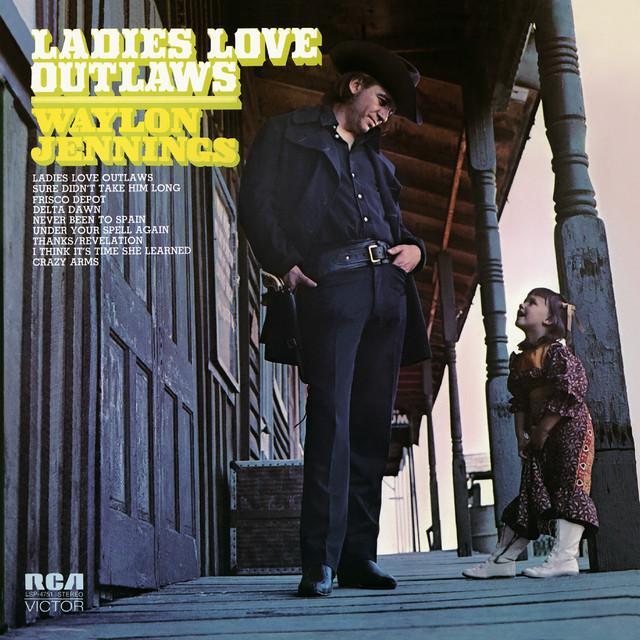
Ladies Love Outlaws by Waylon Jennings
The meaning of Ladies Love Outlaws Waylon Jennings starts with a bold, simple idea: some people are drawn to danger, freedom, and the kind of person who seems impossible to tame. The song does not treat that attraction as logical. Instead, it presents it as deep, emotional, and almost instinctive.
"Ladies Love Outlaws" - Waylon Jennings
Leroy was an outlaw hard and mean
One day she saw him starin' and it chilled her to the bone
Loading lyrics...
Unable to load lyrics
We're unable to display the lyrics at this time. Please try again later.
Released on Waylon Jennings' 1972 album Ladies Love Outlaws, the track helped popularize the word “outlaw” in country music culture, as noted in the album history. That matters because the song is not just telling stories about romance. It is also building a myth around the outlaw figure that Jennings would soon embody.
The Heart of the Song Is Attraction to Rebellion
On the surface, the song gives three short character sketches. In each one, a woman is drawn to a man with a rough edge, a bad reputation, or a wandering past. The chorus then steps back and turns those stories into a larger claim about human desire.
The key line is the repeated idea that ladies love outlaws
. The song is not saying every woman wants the same thing. It is making a folk observation: danger can look exciting, and emotional risk can feel more alive than safety.
Interpretation: The song suggests that outlaws appeal not because they are good partners, but because they seem authentic. They live outside rules, and that freedom can look powerful to people who feel trapped by ordinary life.
Watch the official Ladies Love Outlaws
music video
Three Mini-Stories, One Big Pattern
Each verse works like a quick Western short story. The names change, but the emotional pattern stays the same.
Bessie sees a hard man and feels shaken. Billy's story shows a woman hearing trouble in his music and moving closer anyway. The final verse gets more playful by bringing in Waylon and Jessi Colter through the nickname Waymore
, turning the song from general tale into self-aware legend.
That structure matters. The song keeps proving its thesis with examples, as if it were passing down a truth everyone in a small town already knows. Even the comparison babies love stray dogs
frames this attraction as tender, impulsive, and hard to explain.
ladies love outlaws
babies love stray dogs
Those two short lines do most of the song's work. They turn romance into instinct and make the outlaw seem less like a criminal and more like a wounded, irresistible drifter.
What the Chorus Says About Desire
The chorus is memorable because it mixes affection with warning. It compares romantic attraction to other forms of touch and value, including banker touches gold
. That image suggests hunger, possession, and fascination all at once.
Then the song lands on its deepest claim: outlaws reach people deep down in their soul
. That is stronger than physical attraction. It means the song sees this pull as emotional and even spiritual.
Interpretation: The chorus argues that outlaw charisma comes from what the figure represents. He is not just a man. He stands for escape, intensity, and a life lived without asking permission.
Waylon Jennings Context Changes the Meaning
The song becomes richer when heard in the context of Jennings' career. According to the same Wikipedia entry, the 1972 album marked a major step in his move toward artistic freedom and the outlaw-country image. It reached No. 11 on Billboard's Top Country Albums, and its title helped push “outlaw” into the genre's vocabulary.
Lee Clayton wrote the song, but Jennings made it feel autobiographical. The verse about Jessi and Waylon blurs the line between character and real life. That was important for Jennings, whose public image was shifting away from polished Nashville control and toward independence.
Willie Nelson later said Jennings had been under label pressure until new management changed that. Even without hearing that quote in full, the point is clear: Jennings was becoming the face of resistance to the country establishment. So when they sang about outlaws, listeners could hear more than romance. They could hear identity.
How the Sound Supports the Message
Musically, the song is direct and sturdy. It sits in a classic country setting, but the feel is looser and more lived-in than slick Nashville pop. Jennings' voice does not overact the lyric. They deliver it with calm confidence, which makes the idea sound like fact rather than fantasy.
The likely impact comes from that backing: steady drums, guitar, bass, piano, and steel guitar, with players from Jennings' 1971-72 sessions including Ralph Mooney on steel and Hargus "Pig" Robbins on piano on the album sessions. The arrangement gives the song motion without making it too sweet.
That matters because the lyric walks a fine line. It could sound judgmental, or it could sound foolishly romantic. Instead, the groove gives it an easy shrug. The production by Ronny Light lets the song feel conversational, which helps the myth go down smoothly.
A Song About Men, Women, and Mythmaking
There is also a cultural layer here. The song speaks in broad types: the lady, the outlaw, the drifter, the beauty with money, the man with a past. In modern terms, those are stereotypes. But in country storytelling, stereotypes often work like folk symbols.
Interpretation: The women in the song are not written as weak. They choose. They hear the warning signs and move forward anyway. The point is not that they are fooled. The point is that they understand the risk and still find meaning in the pull.
That is why the song lasts. It is not really about crime or even romance. It is about the old American habit of turning restless people into legends.
Why the Song Still Connects
For many listeners, the meaning of Ladies Love Outlaws Waylon Jennings lies in its honesty about attraction. People are often pulled toward what feels alive, even when it looks unstable. The song captures that truth in plain language and strong images.
It also matters historically. This was not just a catchy track on a 1972 record. It helped define the outlaw-country attitude that Jennings would come to represent.
Final takeaway
In the end, “Ladies Love Outlaws” is about desire meeting myth. It says that some people fall for freedom, danger, and emotional force before they ever stop to count the cost.
Disclaimer: This interpretation is based on the song's lyrics, recording context, and public history. Like all art, listeners may hear different meanings in it.








