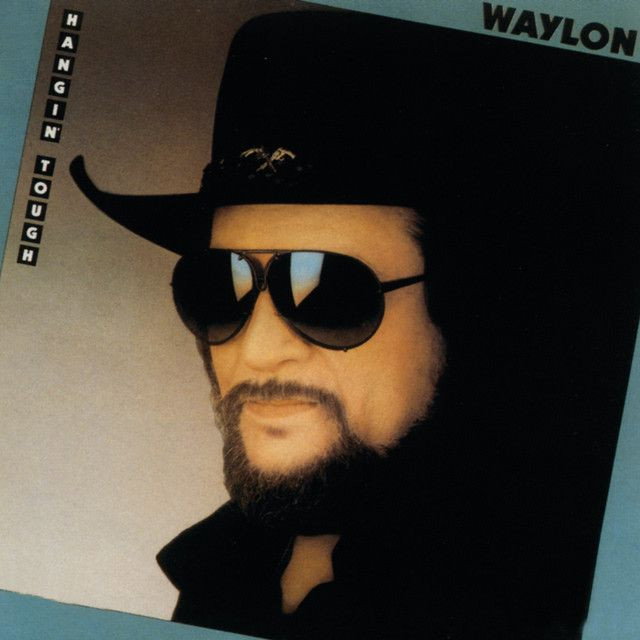
Rose In Paradise by Waylon Jennings
A Country Hit with a Gothic Heart
The meaning of Rose In Paradise Waylon Jennings starts with a simple idea: a love story that turns into a prison. Recorded by Waylon Jennings and released in 1987 as the lead single from Hangin' Tough, the song became his twelfth No. 1 country hit on Billboard's country chart, according to Wikipedia. That success matters because the song is not light radio fare. It is dark, tense, and built like a Southern ghost story.
"Rose In Paradise" - Waylon Jennings
Her beauty cut just like a knife
He was a banker from Macon
Loading lyrics...
Unable to load lyrics
We're unable to display the lyrics at this time. Please try again later.
At its core, the song tells of a beautiful young woman, a wealthy older man, and a house that looks like heaven from the outside but feels like a cage inside. The title sounds romantic, but the story under it is deeply unsettling. Paradise, in this song, is not freedom. It is ownership.

Watch the official Rose In Paradise
music video
The Plot Works Like a Warning Tale
The first verse sets up the imbalance right away. She is admired for her beauty, and he is a banker with money and status. He gives her luxury, including a mountain mansion and a formal garden, but the song quickly reveals the cost. What seems like devotion becomes control.
One key line says paradise became her prison. That is the song's central turn. The woman is not protected by wealth; she is trapped by it. The banker wants to keep her close, not because he trusts love, but because he fears losing it.
The story then gets more disturbing. He hires a gardener to watch her while he is gone. That detail matters because it shows that his jealousy has become a system. He does not just feel possessive; he organizes her life around surveillance.
Jealousy Is the Real Villain
The chorus gives the banker's emotional logic. He insists he would do anything to keep his Rose in Paradise
. On the surface, that sounds passionate. In context, it sounds threatening.
Interpretation: the song is showing how obsessive love can disguise itself as romance. The banker likely sees himself as loyal and devoted. But his actions say something else. He treats the woman like a prized object, almost like one more thing in his estate.
That is why the image fire in his eyes
is so important. It suggests anger, fixation, and maybe guilt. Each time he speaks of her, the feeling is still alive, even years later. The song never presents his love as gentle. It presents it as dangerous.
The Mystery in the Middle Changes Everything
The song's biggest unanswered question is what happened to the woman. The lyrics offer two rumors: maybe she ran away with the gardener; maybe the gardener left alone. The truth is never confirmed.
Not a trace of herwas ever found
That brief moment gives the song its haunting power. It moves the story from jealousy drama into folklore. A disappearance with no answer leaves the listener to decide whether this is an escape story, a murder ballad, or a ghost legend.
Interpretation: the strongest reading is that the songwriter wants uncertainty to be the point. If the listener never knows what happened, they are forced to sit with the banker's obsession instead of getting a neat ending.
The Rose Symbol Means More Than Beauty
The rose is the song's main symbol, and it works in several ways at once.
- It stands for the woman herself: beautiful, admired, and fragile in the eyes of others.
- It suggests pain as well as beauty, especially when the song says her beauty
cut just like a knife
. - It becomes a legend after she is gone, when a rose still grows in the garden.
That final image matters a lot. The rose blooming in winter and at night sounds unnatural, almost supernatural. It implies memory that refuses to die. It may suggest that she still haunts the place, or that the banker's guilt has transformed the garden into a living reminder.
Interpretation: the rose can be heard as a symbol of survival. Even if the woman is gone, the thing he tried to possess cannot be fully controlled. It returns as myth.
Waylon Jennings Sings It Like a Campfire Legend
Waylon Jennings was known for outlaw country toughness, but one reason this track works so well is restraint. His delivery is steady, direct, and unflashy. He does not oversell the drama. Instead, they let the story breathe, which makes it creepier.
Produced by Jimmy Bowen, the recording uses a traditional country frame, but with a shadowy mood. The tempo is measured. The instrumentation stays grounded in acoustic and electric country textures, letting the narrative carry the tension instead of big production tricks. That choice helps the song feel old, almost like a tale passed down rather than a modern pop single.
This matters to the meaning of Rose In Paradise Waylon Jennings because the production never tells the listener how to feel in obvious ways. It trusts the listener to hear the menace under the calm surface.
Why the Song Still Sticks with Listeners
The song lasts because it mixes three things country music often does well:
- Clear storytelling
- Strong symbolism
- Moral unease
Listeners can follow the plot on the first listen. But the emotional truth keeps opening up after that. Is this about domestic control? About class and ownership? About guilt that outlives desire? The song allows all three readings.
It also holds onto an old American storytelling tradition: the beautiful estate hiding a rotten core. The mansion and garden sound elegant, yet they become the stage for isolation and loss. That contrast gives the song its enduring chill.
The Last Bloom in the Garden
In the end, the meaning of Rose In Paradise Waylon Jennings is less about romance than possession. The banker confuses love with keeping, watching, and owning. The woman becomes a symbol of what he cannot truly hold.
That is why the ending lingers. The crumbling mansion, the old man staring at the garden, and the impossible rose all suggest that control failed. Whether she escaped, vanished, or became legend, the song leaves him alone with what he tried to preserve.
Disclaimer: This article offers interpretation based on the lyrics, recording context, and public release information. Songs can support more than one valid reading.







