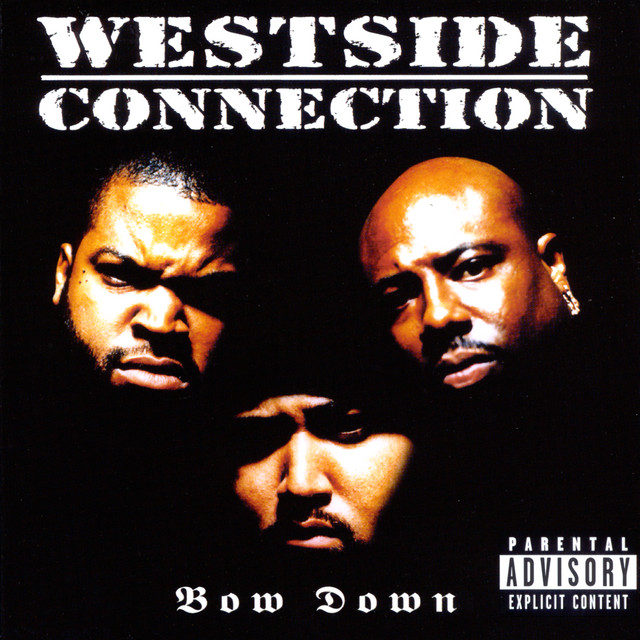
Why "Bow Down" Still Hits So Hard
The Core Message Behind the Threat
The meaning of Bow Down Westside Connection starts with power. The song is not subtle, and it is not trying to be. Westside Connection present themselves as untouchable figures who demand respect, especially from rivals and outsiders. Their message is simple: when they arrive, other people should fall in line.
"Bow Down" - Westside Connection
Don't fuck with my stack the gauge is racked
About to drop the bomb, I'm the motherfuckin' don
Loading lyrics...
Unable to load lyrics
We're unable to display the lyrics at this time. Please try again later.
On the surface, that makes the song sound like pure intimidation. And yes, a lot of it is exactly that. The hook repeats Bow down
, turning the title into a command. But beneath the aggression, the song is also about regional pride. Ice Cube, Mack 10, and WC are defending Los Angeles and the wider West Coast at a time when rap was heavily shaped by coast-based identity and public feuds.
Factually, "Bow Down" was the lead single from Westside Connection’s 1996 debut album Bow Down, released through Priority Records. The album went platinum in the United States and peaked at No. 2 on the Billboard 200, while the single reached No. 21 on the Hot 100, showing how big this message became beyond core rap listeners.Wikipedia
Watch the official Bow Down
music video
A West Coast Flag Raised High
More than a boast record
A key part of the song’s meaning is place. The group keeps tying their authority to geography, especially South Central, Inglewood, and the land west of the Mississippi
. They are not just saying they are tough as individuals. They are saying the West itself has a code, and that code deserves recognition.
That matters in the 1996 context. The East Coast-West Coast rivalry was a major part of rap culture, and Westside Connection leaned into that tension. Other songs on the same album were direct diss records, aimed at artists like Cypress Hill, Q-Tip, and Common.Wikipedia Even when "Bow Down" is not naming every target, it lives in that combative climate.
Interpretation: In that light, the song works like a public warning. It tells rivals that disrespecting the West will bring consequences. It also tells fans that the group sees themselves as protectors of regional status.
How the Verses Build That Persona
Each rapper adds to the same image, but in a slightly different way. Ice Cube sounds like a boss figure, someone controlling the board from above. Mack 10 brings street detail, local color, and a blunt, muscular style. WC adds swagger and gang-coded identity, making the song feel even more rooted in neighborhood politics.
They use images of size, weapons, money, and movement to make that power feel constant. One line compares the speaker to a big fish in a small pond
, which suggests dominance even in a crowded scene. Another phrase, running everything west
, turns local bragging into a huge territorial claim.
These details connect to a larger rap tradition of status records, but the group push it harder than most. They do not simply want admiration. They want submission.
when I come to your townwhen I'm westward boundcause I ain't a hatergreater than you
That short chorus section shows the song’s logic. They travel, they arrive, and their reputation is supposed to arrive before them. The repeated structure makes their authority sound automatic.
The Hook Is the Whole Philosophy
The chorus is catchy, but it is also the song’s main argument. Repetition matters here. By hearing Bow down
again and again, the listener is placed in the same position as the rivals in the verses: they are being talked down to.
There is also a twist in the line about not being a hater. The group frame themselves as superior, not jealous. In their telling, they are not resentful underdogs trying to steal attention. They are already on top, and everyone else is reacting to them.
Interpretation: That is why the song can sound both paranoid and confident at once. They act as though enemies are everywhere, but they never sound unsure of winning.
Why the Production Feels So Heavy
The beat is a huge reason the track lands so well. "Bow Down" uses a slow, pounding West Coast style that gives each threat room to breathe. Instead of racing forward, the instrumental stalks. That creates the feeling of a convoy rolling into town, which fits the lyrics perfectly.
The album’s production came from names including Bud'da, QDIII, Binky Mack, and Ice Cube, who also served as executive producer.Wikipedia Even without overcomplicated arrangements, the song feels big because of its low-end weight, stark drum programming, and chant-like hook. The production does not soften the message. It amplifies it.
This is one reason the record crossed into mainstream success. The beat is menacing, but also easy to remember. It turns confrontation into an anthem.
Reception, Legacy, and What It Represents
Critics were mixed on the album, though some praised its force while others saw it as part of gangsta rap’s hardening mood in the mid-1990s.Wikipedia But listeners clearly responded. Commercially, the album was a major success, and the title track remains one of the group’s signature songs.
Its legacy comes from how completely it commits to its stance. There is no apology, no wink, and no softer second layer meant to calm things down. That makes "Bow Down" a defining statement of West Coast group identity, street authority, and rap competition in the 1990s.
Final Take on the Song’s Meaning
So what is the meaning of Bow Down Westside Connection? At its core, it is a demand for respect dressed as a threat. It turns regional pride into a show of force and makes dominance sound like a rule of life.
Interpretation: Some listeners may hear it mainly as battle rap theater, while others may hear a serious reflection of the era’s gang and coast tensions. Both readings fit the song. Either way, Westside Connection made a record that treats respect as something taken, not requested.
Disclaimer: This interpretation is based on the lyrics, historical context, and public release information. Like all song meaning pieces, parts of the analysis are interpretive rather than confirmed artist intent.








