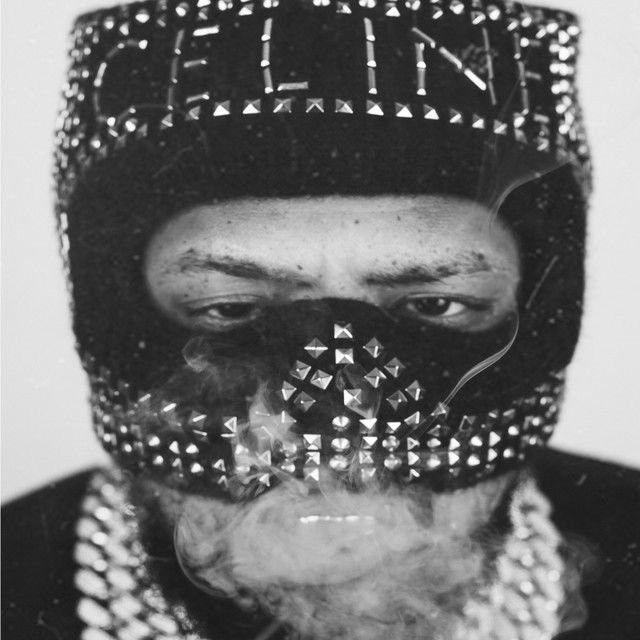
The Fly who couldn't Fly straight by Westside Gunn, Tyler, the Creator
The meaning of The Fly who couldn't Fly straight Westside Gunn, Tyler, the Creator starts with a contradiction. The title suggests glamour and motion, but also imbalance. Someone can be “fly” in the fashion sense and still be unable to move cleanly, calmly, or morally.
"The Fly who couldn't Fly straight" - Westside Gunn ft. Tyler, the Creator
Yo, Gunn, I'ma, I'ma just, I'ma just fuck around
(Ayo)
Loading lyrics...
Unable to load lyrics
We're unable to display the lyrics at this time. Please try again later.
That tension fits both artists well. Westside Gunn has built a style around luxury rap, high-art references, and grim street detail, while Tyler, the Creator often mixes comedy, menace, and left-turn wordplay. On this song, they do not tell a neat story. They create a portrait of power that looks expensive, unstable, and proud of both traits.
What the Track Is Really Saying
At its core, the song is about identity as performance. They present themselves as figures who cannot be boxed in by rules, taste, or respectability. The verses pile up threats, flexes, designer details, and strange jokes until the listener gets the point: these are artists turning chaos into aura.
Interpretation: the title hints that success has not made them orderly. It has only made their crooked path more visible. Being stylish does not mean being straight-laced. In fact, the song suggests the opposite.
Tyler opens with a barrage of energy. When they say I got soul
, the line works like a mission statement. They are not just hard or rich; they claim spirit, originality, and instinct. But that inner spark sits beside violent imagery and taunting punch lines, which makes the persona feel unpredictable.
Watch the official The Fly who couldn't Fly straight
music video
Tyler’s Verse: Swagger With a Smirk
Tyler’s section sounds playful, but the threats are real in tone even when the phrasing is absurd. A phrase like big stepper
gets flipped into a warning, turning confidence into vulnerability. That move matters because Tyler often undercuts macho rap poses with humor.
They also bounce from hellish imagery to domestic details to romantic references. That is not random. It shows control through disorientation. One second the verse sounds demonic, the next it sounds funny, then suddenly intimate. The result is a speaker who seems too quick to predict.
Interpretation: Tyler’s meaning here is not confession. It is domination through style. They want the listener to feel that the verse can turn any direction at any moment.
Westside Gunn’s Verse: Luxury, Legend, and Threat
Westside Gunn enters like a curator of danger. They stack visual details—red lenses, a stretch Corvette, designer labels—next to gun talk and prison references. That split is central to Gunn’s art. Across projects like Pray for Paris, they have tied street rap to runway and gallery aesthetics, helping define the Griselda sound in the 2020s.
When they rap all red
and then move toward images of weapons and punishment, the contrast sharpens the song’s theme. Beauty and brutality are not opposites here. They are part of the same persona.
Another key phrase is God-level flow
. That is boast rap, of course, but it also frames the song as a statement of craft. They are not only claiming power in the street sense. They are claiming mastery as rappers whose voice, ad-libs, and references create their own world.
Images That Carry the Meaning
Several motifs keep the song focused even though the verses feel loose on the surface:
- Flight and movement: The title suggests motion, but motion without balance.
- Luxury objects: Cars, glasses, labels, and jewelry build status.
- Violence: Threats remind listeners that the glamour has a dark base.
- Madness and excess: The writing keeps tipping toward overstatement and mania.
A line like out my mind now
matters because it pulls all those motifs together. The speaker has money, momentum, and status, but also sounds uncontained. That is the point. Disorder becomes part of the flex.
How the Sound Supports the Lyrics
Even without a traditional hook-heavy structure, the performance style helps explain the song. Westside Gunn’s music often relies on stark drum choices, eerie loops, and ad-libs that function almost like signatures rather than filler. Tyler’s delivery, by contrast, pushes bounce and sarcasm.
That contrast makes the record feel unstable in a useful way. Tyler attacks with spring-loaded phrasing; Gunn glides and barks. Together, they make the song feel like a luxury car swerving on purpose.
Interpretation: the production and vocal chemistry reinforce the title’s idea. This is “fly” music that refuses a straight line.
A Bigger Reading of the Title
The title is the smartest clue. A fly can mean stylish, admired, elevated. But being unable to fly straight suggests damage, intoxication, trauma, or simply a refusal to obey the normal route.
That opens two strong readings:
Reading One: Success Without Peace
They have wealth, recognition, and presence, yet the lyrics still circle danger and paranoia. In this reading, the song says external shine does not erase inner or environmental chaos.
Reading Two: A Manifesto for Crooked Greatness
It may also celebrate being brilliant in a nontraditional way. They are not trying to be clean heroes. They are saying the crooked path produced the art, the taste, and the legend.
Why the Song Sticks
The meaning of The Fly who couldn't Fly straight Westside Gunn, Tyler, the Creator is not hidden in one line. It lives in the collision of elegance and menace. The song turns instability into identity and treats excess as proof of survival.
That is why it lingers. They do not ask to be seen as consistent. They ask to be seen as unforgettable.
Disclaimer: This interpretation is based on the lyrics, performance, and each artist’s broader style. Song meaning can remain open to other reasonable readings.








