Why 'Throw Down the Sword' Feels Like Surrender
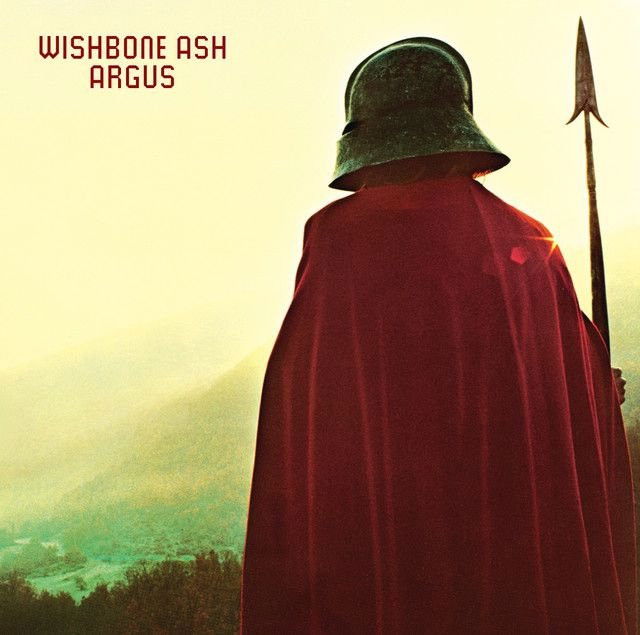
Wishbone Ash closed their 1972 album Argus with a song that sounds less like victory than relief. For many listeners, the meaning of Throw Down the Sword Wishbone Ash comes down to one hard truth: ending a fight can be braver than winning it.
"Throw Down the Sword" - Wishbone Ash
The fight is done and over,
Neither lost, neither won.
Loading lyrics...
Unable to load lyrics
We're unable to display the lyrics at this time. Please try again later.
The track appears on Argus, the band’s landmark album, and its placement matters. After songs filled with kings, warriors, and struggle, this finale steps away from conquest. Instead, it focuses on exhaustion, memory, and the need to go home.
A War Song That Refuses Glory
On the surface, the lyric speaks in battlefield language. The central image is simple: throw down the sword
. But the song does not treat that action as shameful. It treats it as necessary.
The narrator sounds like someone who has survived conflict and no longer believes that fame or honor can heal what war has done. When they say the fight is over and neither side truly wins, the song undercuts the usual heroic ending. That idea gives the lyric its emotional weight.
Interpretation: this is not only about literal war. It can also describe any struggle that leaves a person spiritually drained: grief, pride, rivalry, or a long inner battle.
Watch the official Throw Down the Sword
music video
The Real Wound Is Inside
One of the song’s strongest ideas is that survival does not erase pain. The narrator looks back on moments near death's own door
, but they do not tell the story like a champion collecting medals. They sound shaken, as if they were waiting for some deeper meaning that never arrived.
That is why the line about searching for an answer matters so much. The song suggests that extreme struggle does not always bring wisdom. Sometimes it only leaves scars and questions.
Throw down the sword,
And leave the glory
Even in that brief refrain, the song separates peace from public honor. Glory belongs to the past, to stories people tell later. The living person still has to carry the damage.
Home, Time, and the Loss of Heroic Myth
Another key phrase is turn my weary eyes for home
. Home works as more than a location. It sounds like rest, safety, and maybe innocence. The narrator is not chasing a throne or a final triumph. They want a place where conflict stops defining them.
The lyric also says that glory becomes a story that time cannot change. That is a sharp idea. Public history may freeze a battle into legend, but private pain keeps moving. The official version says “hero.” The human version says tired, hurt, and ready to stop.
This tension is a big part of the meaning of Throw Down the Sword Wishbone Ash. The song questions whether old ideas of honor are worth the cost. It does not mock courage, but it refuses to romanticize suffering.
How Wishbone Ash Make the Meaning Sound True
Wishbone Ash were known for their twin-lead guitar style, and that musical approach is central here. According to the band’s album history for Argus, the record became one of their defining releases, and this closing song helps explain why.
The arrangement feels spacious and reflective rather than aggressive. The guitars do not attack; they seem to lift the song upward. That matters because the lyric is about release. The music gives that release an almost spiritual quality.
The drumming stays controlled, and the tempo never rushes toward triumph. Instead, the performance carries a slow sense of acceptance. By the end, the melody feels larger than the battlefield imagery, as if the song has moved from combat into mourning and then into peace.
A Journey Ending, Not a Simple Defeat
The line about a wounded soul
is crucial. The song’s ending is not a clean happy resolution. The speaker is not restored. They are simply done fighting.
That difference keeps the song mature. Many songs about struggle promise redemption through one last win. This one does something more honest. It admits that some battles end with survival, not celebration.
A clear way to read the lyric is through three stages:
- The conflict has ended.
- The survivor sees that glory is hollow.
- The only meaningful next step is to go on living.
That final point gives the track its quiet power. Throwing down the sword is not quitting on life. It is choosing life over endless conflict.
Other Ways to Read the Song
Interpretation: some listeners hear the song as anti-war, and the text supports that reading. It stresses weariness, futility, and the emptiness of victory.
Interpretation: others hear a personal or emotional reading. In that version, the sword stands for anger, ego, or a feud that has gone too far. The song then becomes a plea to let go before bitterness destroys what remains.
Both readings work because the lyric stays broad and symbolic. It uses medieval and martial imagery, but its emotions are universal.
Why the Song Still Lands Today
Part of the reason this track endures is that it speaks to a modern fear: the fear of becoming trapped in struggle for its own sake. The narrator has seen enough to know that conflict can become its own prison.
So the song’s final message feels humane rather than dramatic. It says that dignity may lie not in dominating others, but in laying a burden down. In that sense, the meaning of Throw Down the Sword Wishbone Ash is about surrender, but not weakness. It is about wisdom earned too late, and peace chosen while it is still possible.
Disclaimer: This interpretation is based on the released lyrics, musical context, and known band history. As with many classic songs, listeners may hear different meanings in its imagery and emotional tone.








