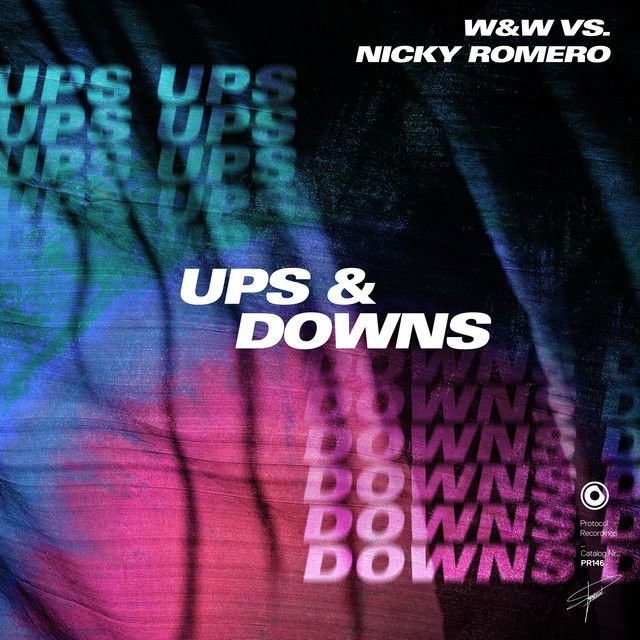
Why 'Ups & Downs' Turns the Club Into Confession
The meaning of Ups & Downs W&W, Nicky Romero starts with a simple idea: people hide their feelings in daily life, then release them in spaces where they feel less judged. This song turns that idea into a dance record. Its lyrics are brief, but they point to something many listeners know well—keeping emotions sealed up until night, music, and darkness make honesty easier.
"Ups & Downs" - W&W ft. Nicky Romero
It's only when the lights go down
That we come out
Loading lyrics...
Unable to load lyrics
We're unable to display the lyrics at this time. Please try again later.
W&W and Nicky Romero are both major names in Dutch EDM, known for big-room energy and festival-scale releases through labels and platforms tied to their long-running careers. Facts about their catalogs and artist profiles can be found on their official pages and major streaming platforms, including W&W and Nicky Romero. That context matters because this track does not just describe emotional release; it builds a setting where that release can happen.
The Core Message Hiding in Plain Sight
At the center of the song is emotional repression. The repeated line about bottle up our ups and downs
suggests that people do not only hide pain. They also suppress excitement, fear, vulnerability, and even joy. The title itself is useful here: life swings between highs and lows, but both get packed away.
Then the lyric shifts to nighttime. When the song says lights go down
, it points to more than a club lighting cue. Interpretation: darkness becomes cover. In the dark, they do not have to perform normalcy. They can feel what they have been avoiding.
That is why the final idea, we come out
, lands so strongly. It can mean stepping onto the dance floor, opening up emotionally, or revealing a hidden self. The phrase is broad enough to hold all three meanings at once.

Watch the official Ups & Downs
music video
A Tiny Lyric With a Wide Emotional Reach
What makes this song interesting is how little it says and how much room it leaves. There is no detailed story, no named character, and no explanation for why these feelings were hidden. Instead, the writing uses repetition like a chant.
We bottle up our ups and downs
It's only when the lights go down
That we come out
This is the whole emotional engine of the track. First comes suppression, then a change in environment, then release. That sequence feels almost ritual-like. They hold everything in, the room changes, and then they transform.
Interpretation: the song is not about one crisis. It is about a pattern. People endure the day by controlling themselves, then seek places at night where they can finally be real.
The “We” Matters More Than It Seems
A key part of the meaning of Ups & Downs W&W, Nicky Romero is the use of the collective voice. The song says we
, not “I.” That small choice changes the whole emotional frame.
Instead of sounding like a private diary entry, the track becomes communal. They are not alone in hiding emotion; everyone in the room is doing it. In that sense, the song describes club culture as a shared release valve. The dance floor is not just entertainment. It is a temporary shelter for people carrying private weight.
That helps explain why the repeated call come out
feels inviting rather than dramatic. It sounds like permission. They are being told that they can stop pretending for a while.
How the Production Strengthens the Meaning
W&W and Nicky Romero built their reputations on high-energy dance music, and this song uses that background smartly. Their styles are associated with festival EDM, big drops, clean builds, and crowd-focused payoff, as shown across their official releases and performance histories on Beatport and artist channels like YouTube.
In a track like this, production is not separate from the lyrics. It completes them. The sparse words leave space for tension-building synths, rising momentum, and a drop that feels like emotional release. That structure mirrors the song's central movement: pressure first, expression second.
The title phrase also fits EDM physically. “Ups” and “downs” describe feelings, but they also match musical dynamics—build and drop, restraint and explosion. Interpretation: the song turns emotional swings into sonic motion. Listeners do not only hear the theme; they feel it in the arrangement.
Nightlife as Symbol, Not Just Setting
It would be easy to read the song as a straightforward party anthem. It definitely works that way. The references to darkness and emergence fit the club perfectly.
But the nightlife imagery also works as metaphor. “Night” often symbolizes privacy, freedom, secrecy, and altered identity. In everyday life, people are watched by jobs, routines, and social expectations. At night, those pressures loosen.
So when the song links honesty to darkness, it suggests that visibility itself can be stressful. Interpretation: they are freer when they are less exposed. That is a powerful idea in a culture where people often feel pushed to look fine, act fine, and stay controlled.
Two Strong Readings of the Song
There are at least two convincing ways to hear this track:
- The club-release reading. The song is about holding in emotion until music and nightlife provide a safe outlet.
- The identity reading. The phrase
we come out
can also suggest revealing a truer self that stays hidden in public life.
These readings do not conflict. In fact, they work better together. A club can be both a real place and a symbol of emotional freedom.
Why the Song Connects So Fast
Part of the song's strength is its simplicity. The lyric is easy to remember, but the feeling behind it is larger than the words. Many dance tracks aim for energy first and meaning second. This one manages both by reducing the message to a few direct lines and letting repetition deepen the effect.
That is why the meaning of Ups & Downs W&W, Nicky Romero feels relatable. They describe a modern habit: people stay composed in public, then look for safe moments to release what they have been carrying.
Final Take
“Ups & Downs” is about emotional containment and nighttime release. Its words are minimal, but its theme is broad: people often hide their inner swings until music, darkness, and community make honesty feel possible.
That reading is an interpretation based on the lyrics, sound, and artist context. Like many dance songs, its openness is part of its power, so listeners may hear their own version of release in it.








