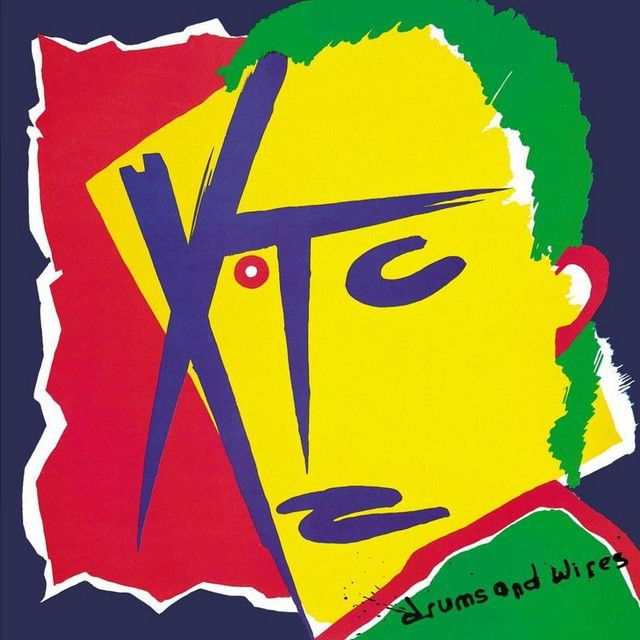
Complicated Game by XTC
Why This Song Still Feels Unsettling
The meaning of Complicated Game XTC starts with a simple idea: people think they are making free choices, but larger systems often decide the result. XTC turns that idea into something sharp, funny, and grim.
"Complicated Game" - XTC
No
I ask myself, "should I put my finger to the right?"
Loading lyrics...
Unable to load lyrics
We're unable to display the lyrics at this time. Please try again later.
Written by Andy Partridge and released on XTC’s 1979 album Drums and Wires, the song came during a key shift in the band’s career. They were moving beyond pure punk speed into more jagged, thoughtful rock. That matters, because “Complicated Game” sounds like punk distrust mixed with art-rock observation.
On the surface, the song keeps returning to choices: left or right, style or image, vote or belief. But each choice gets weakened by the same bitter point. As the singer puts it, someone else will come along
and change things anyway.
Watch the official Complicated Game
music video
The Core Meaning Hiding in Plain Sight
At its heart, the song is about control. More exactly, it is about the feeling that control may be an illusion.
The first verse takes a tiny action and turns it into a crisis. A finger goes left or right, but even this small move feels pointless. The repeated answer is that it does not really matter. That line of thought expands through the song until it reaches politics and even God.
Interpretation: XTC seems to be mocking the way modern life presents people with neat choices while hiding who really has power. The recurring hook, it’s just a complicated game
, sounds almost casual. That is what makes it sting. The phrase shrugs off the world even as it admits the world is stacked.
From Hair Parting to Voting Booths
One smart thing about the lyric is how it scales up. It starts with everyday details, then moves to public life.
A girl asks where to part her hair. A boy asks where to place his vote. Both scenes connect appearance and politics. One is about image; the other is about ideology. The song treats them in a similar way, suggesting both can become performances managed by others.
That is where the left-right wording becomes important. The song does not say politics are meaningless. It says political labels can become too simple for the messy reality underneath. When the singer says put his vote upon the left
or right, the line sounds like a child learning a system that may already be rigged.
The Most Bitter Verse in the Song
The brief verse about public figures may be the harshest moment. It says:
They wanted Tom
They wanted Joe
To dress 'em up and stick 'em out on show
Even without naming exact people, the point is clear. Leaders can be packaged, displayed, and used. The next image, very bad aim
, suggests these figures are not real decision-makers but tools in somebody else’s failed plan.
Interpretation: This verse points to politics as theater. Candidates or public personalities become symbols instead of people. The song’s anger is not just about corruption. It is about manipulation so routine that it starts to look normal.
Why the Ending Gets So Big
The final section brings in God, which gives the song its biggest jump in scale. If even God is asked whether to place the world on the left or right, then the whole left-right argument starts to look absurd.
This does two things at once:
- It exaggerates the song’s complaint into dark comedy.
- It suggests human systems are so stubborn that they can trap every level of thought.
The line put his world on the right
is not really theology. It is a way of saying that humans keep forcing complex reality into narrow options. The singer’s answer remains the same: somebody will interfere.
How the Music Carries the Message
The production helps explain the meaning of Complicated Game XTC just as much as the lyric does. XTC recorded “Complicated Game” for Drums and Wires, an album often praised for its nervous energy and tight, wiry sound. The track builds pressure rather than simply stating its argument.
The rhythm feels mechanical and tense. Guitars cut rather than soothe. Partridge’s vocal gets more intense as the song goes on, which makes the repeated chorus sound less like wisdom and more like frustration boiling over.
That matters because the song is not calm political commentary. It feels cornered. The arrangement creates a sense that the singer is trapped inside the very system they describe.
Partridge later described an early demo on Fuzzy Warbles Volume 1 as a rough artifact from the late-1970s punk era, saying the words were partly improvised but that listeners could still catch the gist. That comment fits the finished song well. It may sound loose in spots, but its emotional target is clear.
A Song About Politics, or About Existence?
There are at least two strong ways to read it.
First, it works as a song about political disillusionment. The references to left and right, voting, and public display all support that reading. In this version, the song attacks shallow party thinking and the people who manipulate it.
Second, it works as a wider statement about life under systems. Fashion, identity, elections, and even belief all become examples of the same trap. People choose, but they do not fully rule the consequences.
Both readings can be true at once. That is part of why the song has lasted.
Final Take on XTC’s Dark Joke
The meaning of Complicated Game XTC is not that choices never matter. It is that choices often happen inside structures people did not build and cannot fully control. XTC turns that fear into a lean, biting song about power, performance, and frustration.
Its genius is the way it moves from small gestures to cosmic scale without losing its sneer. By the end, the song feels like a protest against false choices and the hidden hands behind them.
Disclaimer: This interpretation is based on the lyrics, recording context, and available artist commentary. As with many XTC songs, listeners may hear different meanings in its irony and ambiguity.







