
Ride by Young Buck: Revenge as a Mission
Young Buck's "Ride" is one of those songs that leaves little doubt about its subject. The meaning of Ride Young Buck is revenge carried out with military focus, but the track is not just about action. It is also about loyalty, fear, and the way street codes can turn grief into routine.
"Ride" - Young Buck
What you niggas know about, slippin they clips in AK's
I'm talkin bout hittin niggas blocks
Loading lyrics...
Unable to load lyrics
We're unable to display the lyrics at this time. Please try again later.
They deliver the song like a threat already in motion. From the opening, the narrator is not debating what to do; they are preparing to do it. That makes the record feel cold, tense, and relentless.
What the Song Is Really Saying
At its core, "Ride" is about retaliation as duty. The narrator describes a mission against rivals and frames it as something required by loyalty. The repeated push to ride
is not about freedom or cruising. It means going out at night to strike back.
That matters because the song treats violence less like chaos and more like a system. There is planning, timing, escape routes, and a clear target. The narrator talks like someone following rules that have already been set by the street.
Interpretation: The deeper point is that revenge has become normal. Instead of sounding shocked by violence, they sound trained by it.
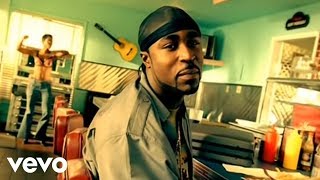
Watch the official Ride
music video
A First-Person Voice Trapped by the Code
The verses are told in first person, which makes the details feel immediate. Young Buck does not stand outside the story and judge it. They put the listener inside the head of someone preparing for a hit.
One revealing moment is the wish that no children are nearby. That does not soften the song, but it does show a limit. The narrator knows innocent people can get hurt and briefly acknowledges that risk before pushing ahead anyway.
Later, the line about being nervous the first time
adds another layer. They are not written as fearless superheroes. They are anxious, then hardened. That shift is crucial to the meaning of Ride Young Buck because it shows violence as learned behavior, not natural strength.
How the Story Moves From Threat to Aftermath
The song unfolds like a short crime film. It can be broken into a few steps:
- Preparation: weapons are checked, the route is planned, and the target is identified.
- Attack: the narrator goes looking for enemies after dark.
- Escape: they describe slipping away through alleys and fences.
- Reflection: they admit the act changed them, even if only briefly.
- Continuation: the cycle is not over; the chorus promises more.
That structure helps explain why the track feels so intense. Each verse adds new details, but the mission stays the same. Even when they mention having been shot before or being watched by law enforcement, those facts do not stop the violence. They almost justify it.
Why the Hook Feels So Brutal
The chorus is simple and effective because it turns revenge into a chant. A phrase like soon as the sun set
gives the track a ritual feeling. Night becomes the time when scores are settled.
It also makes the violence sound communal. The verses mention enemies tied to 50 Cent, Tony Yayo, and Lloyd Banks, so the song works as a G-Unit loyalty statement as much as a solo Young Buck performance. Buck joined G-Unit in 2003, after earlier work with Cash Money and UTP, a move outlined in major biographical summaries such as Wikipedia's overview of Young Buck.
Interpretation: The hook matters because it erases hesitation. Once the beat loops and the refrain returns, revenge stops sounding like a choice and starts sounding like group identity.
Sound, Production, and the Pressure It Creates
Even without diving into long credits, the production style matters. The beat is sparse, heavy, and march-like, giving Young Buck room to rap with force. The drums do a lot of the emotional work: they sound like forward motion, not reflection.
That sonic design fits Young Buck's lane. They came up in Southern hip-hop and gangsta rap, with a delivery that often mixes urgency and rawness, a style also reflected in their breakout album Straight Outta Cashville, which reached No. 3 on the Billboard 200 according to the same biographical source.
The instrumental does not glamorize the scene with polish. Instead, it feels stripped down and grimy. That keeps the listener focused on the threat in lines about being on the low
or leaving with blood on my hands
.
Violence, Paranoia, and Moral Numbness
One of the most interesting things in "Ride" is that the narrator admits psychological strain but never truly rejects the street code. They mention nerves, police pressure, and the way authorities keep coming back around after murders. There is also a chilling sense of emotional shutdown, as if conscience has been buried under survival.
This is where the song becomes more than a simple diss or drill-style fantasy. It presents revenge as a lifestyle that consumes everyone involved. Enemies are hunted, friends are defended, and the self slowly hardens.
Never thought I'd see the daythat I'd be killin me a man
That is the article's clearest glimpse of humanity inside the menace. The narrator notices a line has been crossed. But the song does not stop there. It keeps moving, which is exactly what makes it disturbing.
Final Take on the Meaning of Ride Young Buck
The meaning of Ride Young Buck is not hidden: it is a revenge anthem built on loyalty and retaliation. But the reason the song sticks is that it also shows what that mindset does to a person. Beneath the threats, there is fear, numbness, and a life shaped by constant war.
For some listeners, it will sound like pure intimidation. For others, it will sound like a portrait of a world where violence feels like the only accepted answer. Both readings can exist at once.
Disclaimer: This interpretation is based on the song's lyrics, performance, and publicly available artist context. Meanings can vary from listener to listener.








