Why 'Tric Or Treat' Is Dolph's Victory Speech
The meaning of Tric Or Treat Young Dolph comes into focus fast: this is not a mystery song or a sad reflection. It is a loud, self-written success story. Young Dolph uses the track to retell how a kid from South Memphis became a wealthy, independent rapper and businessman, then dares anyone to question whether he earned it.
"Tric Or Treat" - Young Dolph
Pyrex
Yeah
Loading lyrics...
Unable to load lyrics
We're unable to display the lyrics at this time. Please try again later.
Rather than building a fictional character, they present Dolph as the main proof. The song feels like a memoir in motion, with flexes, jokes, and warnings all mixed together.
A Memphis origin story in rap form
At its core, the song is autobiographical. Dolph starts with a fairy-tale setup, then replaces fantasy with hustle. He walks listeners through early rap days, the first mixtapes, and the belief that he would be "his own boss." That line matters because it frames the whole record around self-rule, not just money.
Facts from his career back that up. Young Dolph, born Adolph Robert Thornton Jr., was a Memphis rapper and founder of Paper Route Empire, the independent label he launched in 2010, according to publicly documented career histories. He released Welcome 2 Dolph World that same year and later built one of rap's strongest independent brands. Those milestones make the song feel less like empty bragging and more like self-documentation.
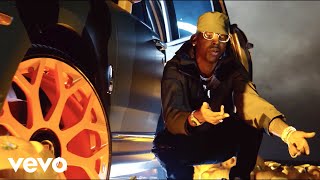
Watch the official Tric Or Treat
music video
The real subject: independence over approval
A key part of the meaning of Tric Or Treat Young Dolph is that success only counts if they own it. The song's most important career detail is his story about rejecting a major-label offer. He presents that moment as proof of vision.
That choice fits Dolph's public image. He was widely known for valuing control over quick corporate validation, and reports about his career repeatedly highlighted his commitment to staying independent while growing Paper Route Empire. In that light, the song is not only about getting rich. It is about deciding what kind of rich matters.
Bragging with a purpose
Dolph lists money, cars, jewelry, and designer brands, but these are not random luxury details. They function like receipts. When he mentions things like hundred racks
or jokes about play clothes
, he is showing that his rise changed the rules around him.
Interpretation: the flexing is really an argument. He is saying that material success proves discipline, nerve, and business skill. In this song, wealth becomes a scoreboard.
A timeline of the come-up
One reason the track lands so hard is its structure. It moves in a rough timeline instead of drifting from boast to boast.
- They begin in South Memphis, setting the local roots.
- They move into the late-2000s and early mixtape grind.
- They describe industry attention but reject dependence.
- They celebrate public success, local respect, and larger wealth.
- They end in full victory-lap mode, where buying property matters as much as buying watches.
That last shift is crucial. Early in the song, money is cash and crowds. Later, it becomes ownership and investment. When Dolph says he started buying property, he turns street-rap bragging into long-term strategy.
Why the hook sounds like a threat and a joke
The phrase Trick or treat
lands like both comedy and menace. On the surface, it references Halloween. But inside the song, it acts more like a slogan: approach if you want, but know what kind of person you are dealing with.
The final tag, Everyday though
, sharpens that idea. Dolph treats his lifestyle as constant, not seasonal. The title becomes a swaggering way to say that what sounds outrageous to others is normal to him.
Interpretation: the phrase also captures the song's split personality. It is playful in delivery, but serious in message. Dolph is having fun, yet they are also defending a reputation.
Symbols of power: racks, cars, and property
The song keeps returning to a few big symbols:
- Cash signals immediate proof of hustle.
- Cars signal mobility, style, and danger.
- Jewelry signals visible status.
- Property signals permanence.
That final symbol matters most. He even compares his life to real life Monopoly
, which turns business growth into a game he knows how to win. It is one of the clearest lines in the song because it summarizes his mindset: stacking assets is more important than just flashing cash.
Another revealing phrase is back against the wall
. Beneath the confidence, the song remembers pressure. Dolph is saying that the shine came from survival, not comfort.
How the production carries the message
The beat supports the autobiography. It uses a spacious trap approach: hard drums, a steady low end, and enough room for Dolph's voice to dominate. That lack of clutter matters because the track depends on their storytelling rhythm.
Instead of sounding emotional in a soft way, they sound amused, proud, and untouchable. The conversational ad-libs and pauses make it feel like he is talking directly to the room, then smiling after each point. That relaxed control is part of the song's power.
The wider Young Dolph context
The song also hits harder when placed inside Dolph's larger career. He became one of Memphis rap's biggest modern figures, from King of Memphis to the top-10 success of Dum and Dummer with Key Glock and the top-five chart peak of Rich Slave. He also built a reputation for philanthropy in Memphis, including school donations and community drives. That broader record helps explain why songs like this resonated: listeners heard not just boasting, but a local hero narrating their own legend.
Final takeaway
So what is the meaning of Tric Or Treat Young Dolph? It is a self-portrait of a rapper who turned street knowledge into business power and wanted listeners to understand that every flashy detail came from independence, risk, and belief.
More simply, the song is Dolph's victory speech. It celebrates money, but it honors ownership even more.
Disclaimer: This article offers interpretation based on the lyrics, the recording, and publicly available artist context. Song meaning can remain open to multiple readings.









