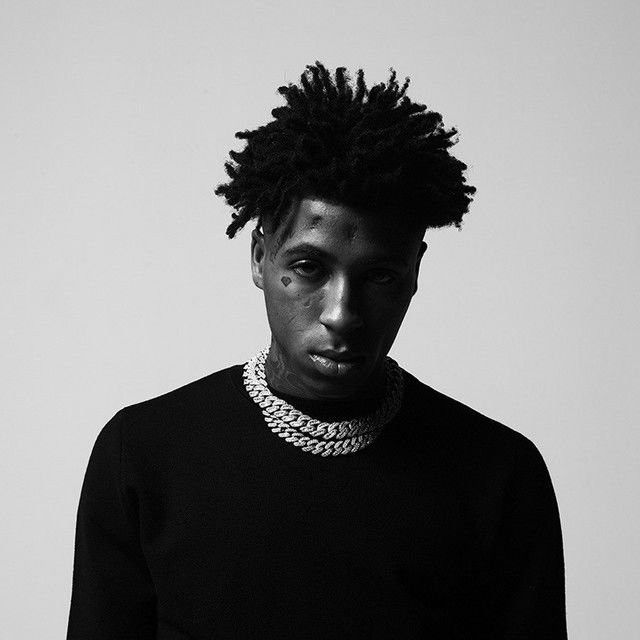
Dirty Stick by YoungBoy Never Broke Again
Why does this track feel like a raised drawbridge? Because every bar turns defense into ceremony. The meaning of Dirty Stick YoungBoy Never Broke Again revolves around walking into any room—or neighborhood—as if it’s a battlefield, where presence equals power and hesitation can cost a life.
"Dirty Stick" - YoungBoy Never Broke Again
They gon' let me in that bitch
Lil' nigga, what? Shit
Loading lyrics...
Unable to load lyrics
We're unable to display the lyrics at this time. Please try again later.
Armor First: What This Record Is Really Saying
At heart, Dirty Stick is about deterrence. YoungBoy centers a simple thesis: respect is enforced, not requested. When he growls let Lil Top in
, it’s both an introduction and a warning. The scene is less a party and more a checkpoint.
He stacks images of weapons, masks, and distribution to broadcast control. Phrases like Glock out
and dirty stick
sketch a world where safety comes from being more prepared—and more feared—than the next person. He also nods to drugs and federal heat, invoking “Schedule II” and white or blue
to show how money moves alongside risk.
Interpretation: The song treats paranoia like strategy. Readiness is the brand; intimidation is the advertisement.
Watch the official Dirty Stick
music video
Who Speaks When “Lil Top” Walks In?
The narrator is YoungBoy in first person, blunt and unfiltered. He doesn’t plead for empathy; he demands distance. The effect is declarative: the room changes when he enters, and so do the rules.
Yet flashes of backstory poke through the flex. Lines about struggle—like made it out of middle school
—remind listeners that this stance grew out of scarcity and threat. He’s not just flexing; he’s explaining the cost of being unprotected.
Interpretation: The addressee shifts—rivals, hangers‑on, even law enforcement. The constant is posture: never be the soft target.
Street Timeline: From Pull‑Up to Aftermath
- Arrival: He pulls up top‑down, armed, broadcasting presence. This is a show of force meant to freeze the room.
- Provocation: Anyone who mouths off becomes a test case. Retaliation is portrayed as instant and public.
- Commerce: He references supply lines and “distribute,” tying status to the ability to move product despite surveillance.
- Consequence: A recurring image of news coverage and “cases” underlines that violence has headlines and paperwork.
- Aftermath: The hook returns, restoring the cycle—enter, warn, enforce, exit.
Each beat circles the same message: there’s no neutral zone; every space is contested.
Decoding the Symbols: “Dirty Stick” and More
- Dirty stick: In street slang, a rifle or long gun; “dirty” implies illegal, previously used, or untraceable. It’s a symbol of both protection and liability.
- Glock: A sidearm shorthand for immediacy—what’s reachable if things go left right now.
- Masks and “stepping”: Concealment and targeted retaliation. “Stepping” is the act of pressing an enemy.
White or blue
/ Schedule II: References to drug classes and colors that gesture toward opioid/cocaine economies and federal scrutiny.- Media and mothers: Mentions of bodies “on the news” and grieving families make violence feel systemic, not cinematic.
Interpretation: The song treats symbols as warnings. They’re less about glamour than about drawing a border—cross at your own risk.
How the Beat Amplifies the Threat
Musically, this is menacing trap: skittering hi‑hats, booming 808 slides, and a minor‑key loop that feels like a rotating siren. YoungBoy’s delivery is clipped and percussive, matching the drum grid. Short phrases hit like bursts from a trigger, then leave air for impact.
Hooks repeat like flashing lights, cementing the ritual of entry and enforcement. When he spits lines as sharp as brains left in the street
, the sparse mix gives the image nowhere to hide. The production turns posture into architecture.
Context: Success, Scrutiny, and Survival
YoungBoy’s catalog is huge, and his dominance is real—multiple Billboard 200 number‑one projects and over 80 million certified units in the U.S. attest to his reach. Those milestones matter because they frame why a song like this resonates: it’s the voice of someone who rose fast yet still narrates life as a live‑fire zone.
Interpretation: Fame doesn’t replace paranoia; it professionalizes it. “Letting Lil Top in” scales from club doors to the industry’s front gate.
Other Ways to Hear It
- Persona reading: A performance of the gangsta archetype, where hyperbole and threat are tools to command attention in crowded feeds.
- Trauma reading: A coping script from someone who learned that visibility invites danger, so they answer anxiety with armor.
Both readings fit; the text leaves room for swagger and scar.
Takeaway You Can Feel
The meaning of Dirty Stick YoungBoy Never Broke Again is deterrence turned into music. It’s a boundary line drawn in bass and breath: respect me, or be ready for what follows.
Disclaimer: Song interpretations are subjective and reflect critical analysis, not the artist’s stated intent.







