Why 'Highway 20 Ride' Hits So Hard
The meaning of Highway 20 Ride Zac Brown Band comes down to one painful idea: loving a child deeply while living far from them. The song turns a routine drive into a picture of divorce, shared custody, and the hurt of saying goodbye again and again.
"Highway 20 Ride" - Zac Brown Band
A day would not be wasted on this drive
And I want so bad to hold you
Loading lyrics...
Unable to load lyrics
We're unable to display the lyrics at this time. Please try again later.
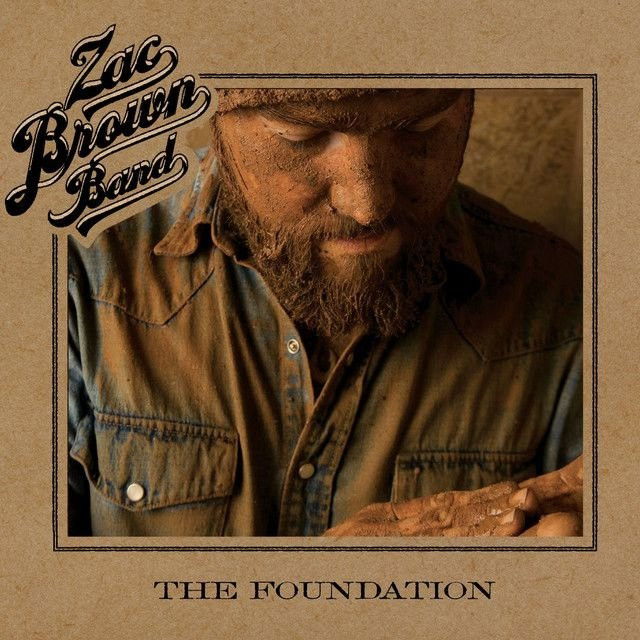
Released as a single from The Foundation, the track arrived in late 2009 and became Zac Brown Band's third No. 1 on the U.S. Hot Country Songs chart, according to Wikipedia and Songfacts. That success makes sense. It tells a very specific story, but the feeling is widely understood.
A Father on the Road, Not Running Away
At the center of the song is a divorced father who travels to see his son every other weekend. Early lines establish the routine and the sadness built into it. When they mention every other Friday
, the detail makes the custody schedule feel real, not dramatic.
Just as important, the father is not asking for pity. He is trying to explain himself. He admits the adults couldn't get along
, but he does not attack the child's mother. That restraint matters. It frames the song as a message of love, not a fight set to music.

Watch the official Highway 20 Ride
music video
The Real Meaning Behind the Chorus
The chorus is where the song's emotional weight lands. The repeated act of driving becomes a ritual of grief. When the narrator says he will slowly die inside
, they are not speaking literally. They are describing the private collapse that comes each time he has to leave his son behind.
The phrase Georgia line
sharpens that pain. A state border becomes the point where fatherhood feels interrupted. Interpretation: the road is not just distance on a map. It is the line between time with his child and time spent missing him.
That is why the title matters so much. Highway 20 is both a real route and an emotional loop. He keeps traveling it because love requires it, even when the trip breaks him a little each time.
Where the Song Came From
The song's backstory strongly supports that reading. Songwriter Wyatt Durrette said he began writing it after his divorce while making regular drives from Atlanta to Augusta to see his son. He described the period as painful and said he worried how his son would view him as a father, according to Songfacts.
Zac Brown helped finish the song, and Durrette said Brown understood both as a friend and as someone who had seen divorce from a child's side. That context gives the lyric its balance. It sounds like a father speaking, but it also seems aware of how a child may one day hear that message.
How the Verses Build Toward Forgiveness
One of the song's smartest choices is that it speaks to the son's future. The father believes a day may come when the child finally understands there was no other way
to work things out. That idea does not excuse the hurt. Instead, it asks for patience.
There is also fear in the song. The father knows part of the child may resent him. He worries about being remembered as the parent who left. But he tries to separate absence from indifference. In plain terms, the song says: being far away is not the same as not caring.
my whole worldbegins and ends with you
That brief closing thought sums up the message. The son is not a side note in the narrator's life. He is the center of it.
Why the Music Makes the Story Stronger
The production helps the meaning land without overplaying the sadness. The recording, produced by Zac Brown and Keith Stegall, is a country ballad with a soft, steady build, as listed on Wikipedia. The arrangement leans on warm acoustic textures and a measured tempo, which fits the image of miles passing under tires.
Brown's vocal is key. He sings with control rather than excess. That makes the emotion feel earned. Critics responded to that balance at the time; reviews collected on Wikipedia described the song as touching, honest, and powerfully sung.
Interpretation: the calm delivery mirrors the father's role. He cannot fall apart in front of his son, so the performance carries grief in a contained way. That is often more moving than a louder approach would be.
Why So Many Listeners Connect With It
Even listeners who have never dealt with shared custody can recognize the deeper theme: love does not erase distance, and distance does not erase love. The song understands how adult choices can wound children, even when those choices may be necessary.
It also avoids easy heroes and villains. Nobody is demonized. That is rare and part of why the song lasts. It respects the child's confusion, the father's regret, and the fact that broken families can still contain real devotion.
The Lasting Meaning of Highway 20 Ride Zac Brown Band
The lasting meaning of Highway 20 Ride Zac Brown Band is that parenthood can remain constant even when family structure changes. The road in the song is painful, but it is also proof of commitment. He keeps showing up.
That is what makes the song more than a divorce ballad. It is a father's attempt to leave behind an explanation, an apology, and a promise all at once. Interpretation: its deepest message is not about the breakup at all. It is about hoping a child will someday see the miles as love in motion.
Disclaimer: This interpretation combines lyrical analysis with documented songwriting context. As with any song, listeners may hear meanings beyond the ones discussed here.