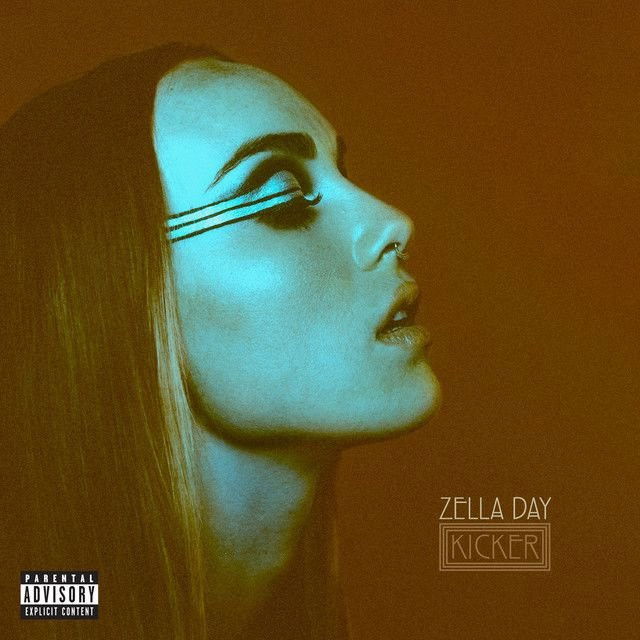
Compass by Zella Day
The meaning of Compass Zella Day centers on devotion that feels natural, fated, and steady even when life gets hard. The song frames love as a force that guides two people back to each other, like a true compass finding north. Instead of using dramatic conflict, it builds its message through images of forests, gardens, water, and distance.
"Compass" - Zella Day
We can keep our secrets buried underneath
Wildflowers crush between your fingers
Loading lyrics...
Unable to load lyrics
We're unable to display the lyrics at this time. Please try again later.
Zella Day released the song during the Kicker era, the album that helped define her desert-dream pop style, blending indie folk, alternative pop, and earthy imagery. Credits listed by performing rights databases name Zella Day Kerr, Julia Michaels, and Alexander Francis Barry as songwriters. Those facts help explain why the song feels both personal and sharply melodic: it sounds intimate, but the hook is built to linger.
The Heart of the Song Points to Commitment
At its core, the song is about choosing someone again and again. The singer imagines building a private world with a partner, from a tree house to a garden to a home made from broken pieces. Those details matter because they turn love into action. This is not just a crush song. It is about making a life.
When the chorus says Compass points your home
, it suggests that home is not only a place. Home is the person. The next key line, Closer to me
, turns that image into emotional direction. No matter how far away the other person may be, the pull remains the same.
Interpretation: The song presents love as instinctive rather than logical. They do not describe a checklist of reasons. They describe a pull that feels built into nature itself.

Watch the official Compass
music video
Nature Imagery Makes the Romance Feel Mythic
One reason the track stands out is how often it uses plants, weather, and landscape. The opening image of a hidden shelter in pine trees suggests safety and youth. Buried secrets beneath the ground imply trust. Wildflowers and honeysuckle give the relationship a soft, sensory quality.
These are not random pretty details. They support a theme of love as something organic. The song treats intimacy like a living thing that grows, tangles, and survives the seasons. Even the phrase wild things that raised us
hints that the lovers were shaped by freedom, instinct, or a rough kind of beauty.
That same idea carries into one of the song’s most important promises:
Where you are, I will be
Anywhere, in between
This short refrain broadens the song’s scope. Love is not only present in ideal places. It exists in the middle spaces too: distance, uncertainty, and change.
The Chorus Turns Distance Into Direction
The chorus is the emotional engine of the song. It repeats the compass image, but the wording matters. A compass usually gives one fixed direction. Here, the lyric suggests it can point anywhere
that leads back to closeness. That idea makes the song less about geography and more about emotional orientation.
The line about surviving the depths of the seas
raises the stakes. Suddenly, this is not just woodland romance. There is danger, pressure, and the chance of being lost. Yet the chorus still insists on reunion.
Interpretation: The song may be describing a relationship tested by separation, fear, or emotional struggle. The repeated return to direction suggests that love becomes a stabilizing tool when everything else feels unstable.
A Gentle Vow Hides Inside the Bridge
Late in the song, the writing shifts from dreamy images to direct care. The singer says they will repair what is broken and love the other person in the way they truly need. That is one of the clearest moments in the lyric.
This section matters because it grounds the fantasy. Earlier images are full of trees, leaves, and gardens. Here, the promise becomes practical. They will rebuild. They will stay when conditions are poor, even when the emotional landscape is not green or easy.
That movement gives the song depth. It is not just about being drawn together. It is about sustaining love after damage.
How the Sound Supports the Meaning
Musically, “Compass” leans into softness and lift. The production uses airy textures, a steady beat, and a floating vocal style that make the song feel suspended between dream and memory. That sonic atmosphere matches the lyric’s interest in spaces like forests, oceans, and sky.
Zella Day’s voice is key to the meaning. She sings with warmth rather than force, which makes the devotion sound sincere instead of possessive. The melody circles back on itself in the chorus, reinforcing the feeling of return.
From a production standpoint, the arrangement avoids clutter. That helps the central image land. The listener is not overwhelmed by heavy drama; they are carried by repetition, echo, and soft momentum. In other words, the song sounds guided, just like its central symbol.
Artist Context Adds Another Layer
Zella Day’s writing often blends American landscape imagery with emotional longing, a style noted around her breakout period and heard across Kicker. “Compass” fits that pattern well. It turns open spaces into emotional maps.
That context matters for the meaning of Compass Zella Day because the song is not only about romance in a generic sense. It sounds rooted in her larger artistic world: mystical, earthy, and full of movement. The emotional stakes are intimate, but the images feel cinematic.
Why the Song Still Connects
The song lasts because its message is simple without being shallow. Most listeners understand the wish to be found, chosen, and loved in a way that feels steady. “Compass” wraps that wish in memorable natural imagery and a chorus that feels comforting.
A casual listener may hear a beautiful indie love song. A closer read reveals something stronger: a promise to remain oriented toward another person through beauty, distance, and repair.
Disclaimer: This interpretation is based on the lyrics, available song credits, and the track’s musical style. As with any song, listeners may hear different meanings in “Compass.”









