How 50 Cent Turned Fear Into a Warning
The core meaning behind the threat
The meaning of Lifes On The Line 50 Cent starts with one big idea: they present themself as someone shaped by danger, betrayal, and competition, then turn that history into a warning for rivals. The song is not subtle. It is built as a statement of presence, toughness, and retaliation.
"Lifes On The Line" - 50 Cent
Nobody likes me, but that's okay
'Cause I don't like y'all anyway
Loading lyrics...
Unable to load lyrics
We're unable to display the lyrics at this time. Please try again later.
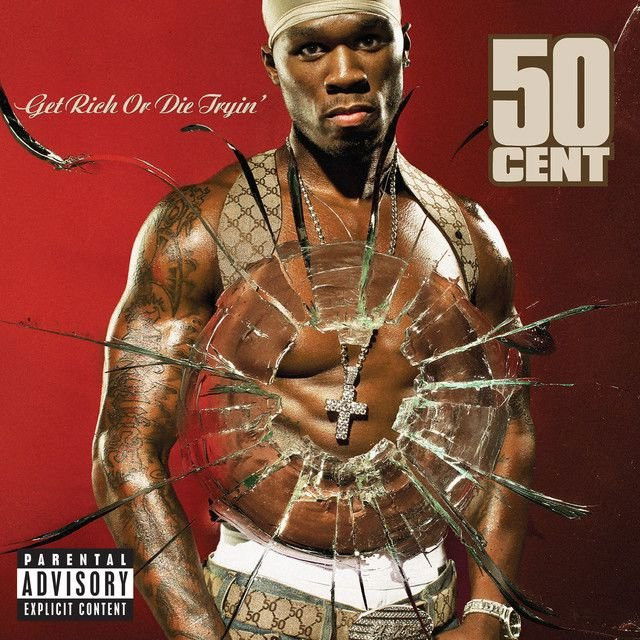
Factually, the song is properly titled "Your Life's on the Line". It was released as a single in 1999, planned for 50 Cent's shelved debut Power of the Dollar, and later appeared as a bonus track on Get Rich or Die Tryin' in 2003. Research sources also credit Curtis Jackson and Terence Dudley as writers, with Dudley as producer, and note that the song reached No. 37 on the Billboard Hot Rap Singles chart.
As a song meaning piece, the key point is this: 50 Cent uses violent talk less as plot and more as identity-building. When they repeat ideas like Nobody likes me
, they are not asking for sympathy. They are building an outsider image. They make rejection sound like power.

Watch the official Lifes On The Line
music video
A diss record, but also a self-portrait
This track is often discussed as an early diss aimed at Ja Rule and Murder Inc., and major reference sources describe it that way. That context matters because the record works on two levels.
First, it is a feud song. The hook turns conflict into a blunt threat, and the title itself frames rap beef as life-or-death. Second, it is a self-portrait of an artist who wants listeners to believe every line comes from lived experience, not fantasy.
That is why they attack other rappers for exaggerating street stories. When they mock artists who only dealt wit' dimes
, the point is not just insult. It is authenticity. They want to separate themself from performers who, in their view, only play gangster in records.
How the verses build their persona
From hunger to menace
The opening verse moves fast from poverty-era hustle to rap-era success. They brag that material things now talk for me
, which suggests fame has become its own language. Jewelry, cars, and weapons all act like symbols of status and danger.
But beneath the flexing is a deeper pattern. They keep linking survival and self-worth. In their version of the world, if someone doubts them, the answer is not debate. It is force, or at least the promise of force.
This is why the song feels so relentless. Every boast doubles as a warning. Every memory of hustling becomes proof that they cannot be intimidated.
The hook as the song's thesis
The chorus is simple and effective because it strips the message down to one stark idea: if someone crosses them, your life's on the line
. In plain language, that means conflict has consequences.
Y'all don't want no parts of me
You tryna figure out
how y'all started me
Those lines matter because they frame the speaker as reactive rather than random. Interpretation: they want to sound like someone who does not start problems but will always finish them. That distinction is part of the mythology 50 Cent built early in their career.
Sound, production, and why the record hits so hard
The production helps sell the message. Sources describe the track as driven by hard, violent rhythms, and that is exactly how it feels. The beat is stripped down, tense, and cold. There is little warmth in it. Instead, the instrumental leaves a lot of space for the vocal to sound sharp and confrontational.
That matters for meaning. A smoother beat might have made the lyrics feel playful or exaggerated. This one does the opposite. It makes every threat land heavier.
Their delivery also adds to the mood. They rap with clipped confidence, like they are not trying to impress the listener with speed. They are trying to dominate the room. The hook is chant-like, almost like a crowd slogan, which helps the song feel bigger than one private beef. It becomes a public warning.
Why the song mattered in 50 Cent's story
Historically, this song arrived before 50 Cent became a mainstream star. It belongs to the phase when they were building a reputation through mixtapes, street records, and conflict. That timing is important.
Because it came before Get Rich or Die Tryin' turned them into a major commercial figure, the song feels rawer and more local to New York street-rap culture. The video, reportedly filmed before they were shot in 2000, also adds to that early-career image: city streets, police attention, and constant pressure.
Interpretation: listeners often hear the song now as prophecy. After later real-life violence and their rise to fame, the record sounds even more committed to a survival-at-all-costs mindset. That does not change the original meaning, but it deepens how people hear it.
The deeper theme under the aggression
For all its threats, the track is really about control. They refuse humiliation, reject fake friendship, and treat distrust as wisdom. Even the famous opening attitude of not caring who likes them suggests emotional armor.
In that sense, the meaning of Lifes On The Line 50 Cent is not just anger. It is self-protection turned into performance. They sound like someone who believes respect must be taken, never requested.
That is also why the song lasted beyond the original feud. The details are tied to late-1990s rap conflict, but the emotional core is broader: paranoia, pride, survival, and the need to appear untouchable.
Final takeaway
"Your Life's on the Line" works because it is more than a diss track. It is a mission statement from an artist shaping a hard public identity before superstardom. The threats are the surface. Underneath them is a clear message: they survived pressure, they trust almost no one, and they want rivals to know they will not back down.
That mix of menace, hunger, and self-mythology is what gives the song its force.
Disclaimer: This article offers interpretive analysis based on the song, its lyrics, and documented release context. Interpretation can vary from listener to listener.







