Why 'Don't Follow' Still Cuts Deep
The meaning of Don't Follow Alice in Chains centers on separation, self-destruction, and the painful truth that love cannot always rescue someone. On the surface, the song sounds like a farewell. Under that surface, it feels more like two people standing on opposite sides of the same collapse.
"Don't Follow" - Alice in Chains
Hey, I'll just wander my own road
Hey, I can't meet you here tomorrow
Loading lyrics...
Unable to load lyrics
We're unable to display the lyrics at this time. Please try again later.
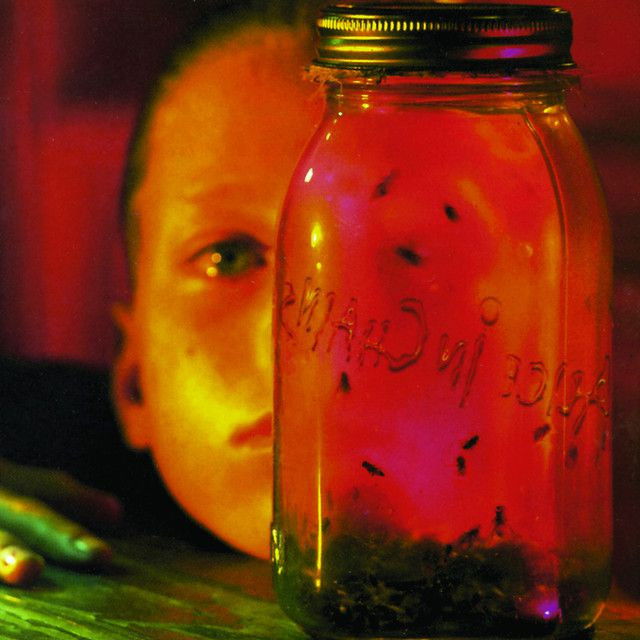
Released on Jar of Flies in 1994, the track showed a gentler but no less devastating side of Alice in Chains. It was written by Jerry Cantrell and recorded during the band’s acoustic-leaning period, with production credited to Alice in Chains and Toby Wright. It later reached No. 25 on Billboard’s Mainstream Rock chart.
A Goodbye That Tries to Protect
The first half sounds like a person pulling away before things get worse. When the singer says don't follow
, the message is not cold so much as resigned. They seem to believe staying connected will only deepen the damage.
That is why the opening feels so bare emotionally. Phrases like wander my own road
suggest isolation by choice, but not freedom. This is someone leaving because they no longer trust themselves, or the relationship around them, to survive what comes next.
Interpretation: Many listeners hear this as more than a breakup. It can also sound like a warning from a person in active self-destruction, telling someone they care about not to get dragged down too.

Watch the official Don't Follow
music video
Two Voices, One Wound
One of the song’s most important details is its split-vocal structure. Cantrell leads the early section, while Layne Staley takes over later. Producer Toby Wright described it as a two-sides-to-the-story
concept, which helps explain why the song feels like a conversation instead of a single confession.
That structure changes the meaning. The first voice creates distance. The second voice sounds trapped inside the life the first voice is trying to escape. When the later section lists losses and fear, the song stops being just a goodbye and becomes a portrait of unraveling.
The Turn From Distance to Confession
The emotional pivot happens when the song moves from warning into admission. Early on, the speaker pushes others away. Later, the lyrics describe a person who has forgotten people, lost direction, and become frightened by their own reflection.
Take me homeTake me home
This brief repeated plea is the song’s emotional center. After all the refusal and detachment, the person who seemed unreachable suddenly sounds desperate for rescue, rest, or release.
Addiction Reading: Strong, But Still an Interpretation
A lot of discussion around the meaning of Don't Follow Alice in Chains connects the song to addiction. That reading makes sense. References to the bottle, disorientation, aging, sweat, and fear all point toward a life that is physically and mentally wearing down.
It also fits the band’s broader history. During the Jar of Flies era, Staley was struggling deeply with heroin addiction, and Alice in Chains often wrote from lived experience. Song summaries and fan discussions frequently read the song as a painful exchange between someone stepping away and someone sinking further.
Still, it is best to label that as Interpretation rather than fixed fact. The song works because it stays open enough to describe addiction, depression, burnout, or any bond where care has turned into helplessness.
Why the Sound Matters So Much
Part of what makes the song so moving is how un-Alice in Chains it first seems. Instead of heavy riffs, the arrangement leans into acoustic guitar, harmonica, and a soft folk-rock texture. Critics have described it as a poignant ballad and even a country-tinged campfire song, which shows how far it stretches the band’s usual sound.
That gentler style is not just a mood choice. It supports the meaning. The lack of force in the first section makes the words feel worn out rather than dramatic. There is no big explosion at the start, only drift.
Then the vocals shift, and the emotional pressure rises without the song needing to become loud. The performance carries the pain. Cantrell sounds detached and steady; Staley sounds more exposed. Together, they make the track feel like an argument that has already ended, leaving only aftermath.
Small Images That Carry Big Weight
The song’s imagery is simple, but it lands hard. A few motifs do most of the work:
- Roads and distance suggest emotional separation.
- The bottle hints at numbing and dependency.
- Mirrors and aging point to shame and physical decline.
- Home becomes a symbol for safety, peace, or even escape from suffering.
When the lyric says misery so hollow
, it captures the song’s special kind of pain. This is not fiery anguish. It is emptiness. That hollow feeling is why the final goodbye feels believable.
Why It Still Connects
“Don’t Follow” remains powerful because it avoids easy comfort. It does not promise recovery, reunion, or clarity. It simply shows what it sounds like when concern turns into distance, and when distance turns into a cry for help.
That honesty is also why the song has lasted beyond the 1990s. It is specific enough to feel real and open enough to fit many struggles. Whether listeners hear addiction, emotional collapse, or the end of a bond, the song gives each reading room to breathe.
In the end, the last message circles back to say goodbye
. It is both a boundary and a heartbreak.
Disclaimer: This interpretation is based on the lyrics, known band context, and documented production details. Like many Alice in Chains songs, “Don’t Follow” can support more than one valid reading.








