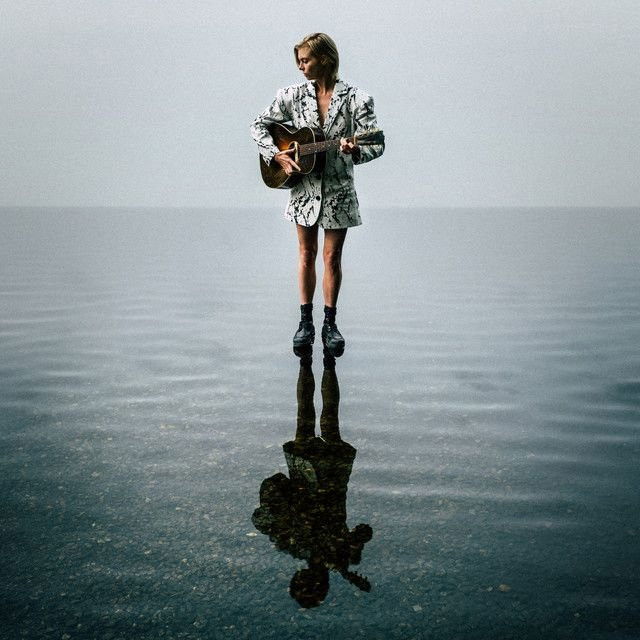
Why Anna Ternheim’s 'This Is the One' Hurts
The meaning of This Is the One Anna Ternheim centers on a love that feels both saving and dangerous. The song does not treat romance as simple comfort. Instead, it presents love as a choice worth defending, even when that choice brings pain, exile, and risk.
"This Is the One" - Anna Ternheim
And all the garden snowmen waved hello
Everything changes, when you believe it won't
Loading lyrics...
Unable to load lyrics
We're unable to display the lyrics at this time. Please try again later.
Anna Ternheim, a Swedish singer-songwriter known for intimate, emotionally direct writing, has said in interview that she cannot “fake emotions” when she writes, even if every song is not strictly literal. That matters here because the track feels lived-in rather than decorative. Its images are vivid, but the emotion is plain: someone has found a bond they believe is real, and they are ready to protect it.
A Love Song Built on Defiance
At the song’s core, the speaker remembers the beginning of a relationship and the pressure around it. The opening sets a cinematic scene with snow and a lonely town. That backdrop matters because it makes the connection feel rare, almost miraculous, as if warmth appears in a cold place.
Then the song turns outward. The lovers are not alone in a peaceful bubble; they are being watched and judged. When the lyric says let the whole world see
, it frames the relationship as public and contested. The next idea is even stronger: the speaker refuses shame and refuses to bow my head
.
Interpretation: this is not just a private love song. It is also about standing up to social pressure. The phrase call us freaks
suggests outsiders labeling the couple as strange or unacceptable. Whether that difference is about class, age, identity, or simply a scandalous match, the emotional point is the same: love is being tested by other people’s judgment.

Watch the official This Is the One
music video
The Chorus Turns Love Into a Vow
The chorus explains why the verses feel so intense. The repeated line This is the one
is not casual. It sounds like a vow, almost like the speaker is trying to convince themselves and everyone else at once.
That repetition does two things:
- It shows certainty.
- It shows fear of losing that certainty.
The speaker does not only say they have found the right person. They also admit the cost. The line about being made to bleed turns devotion into something physical and painful. In plain terms, this love is worth fighting for, but that fight will leave marks.
This is the one
I'm gonna fight to keep
gonna make me bleed
Paraphrased, the chorus says: this relationship is chosen, defended, and painful all at once. That is why the song lands so hard. It does not split love into either joy or suffering. It insists on both.
From Escape to Self-Discovery
The middle of the song widens the story. The pair seem to leave an old life behind, described through a leap into the unknown and a movement from darkness toward light. The image of going into the sun
suggests liberation after fear.
Still, the song does not romanticize escape. Looking back, the speaker calls that period the “bloodshed years,” which implies growth came with damage. Even laughter had tears trailing behind it. This is a sharp idea: even the happy moments carried pain because the whole relationship existed under stress.
Yet the payoff is real. The singer says they found themselves through this connection. That makes the song partly about identity, not only romance. The loved person becomes a partner in awakening, someone who helps pull the speaker out of denial and into a fuller life.
The Images: Snow, Streets, Ledges, Sun
Ternheim packs the lyric with simple but powerful images. Each one pushes the theme forward.
Winter and the lonely town
Snow often signals silence, distance, or memory. Here it also creates a fairytale-like opening. Against that cold setting, the relationship feels warmer and more unlikely.
The public street
A street is not private. Holding hands there means being seen. That choice reinforces the song’s tension between intimacy and public judgment.
The highest ledge
This image suggests risk, courage, and maybe recklessness. The couple do not drift into love; they jump.
Blackness and sun
Darkness to sunlight is the song’s clearest transformation image. It points to hope, but because the song keeps pain in view, the hope feels earned rather than easy.
How the Sound Supports the Meaning
Ternheim’s broader style helps explain why this song feels so direct. She is often associated with acoustic, indie, and alternative songwriting, and performances noted by PopMatters emphasized how clearly her voice and lyrics carry emotion, especially in stripped-down settings. That fits this song’s writing style: clean language, strong images, and a melody that lets the refrain hit with force.
Björn Yttling is credited as a co-writer, and his indie-pop background helps explain the song’s balance between intimacy and lift. The hook is big enough to feel anthem-like, but the emotional center stays raw. That mix matters. A huge chorus can make the relationship feel heroic, while Ternheim’s vocal tone keeps it vulnerable.
Interpretation: the production likely matters because the song needs both scale and closeness. If it were too polished, the pain might feel abstract. If it were too bare, the sense of fight and momentum might shrink. The song works because it sounds personal but determined.
A Plausible Deeper Reading
One possible reading is that the song describes a relationship rejected by a community. Another is that it speaks more broadly about choosing a life that others do not accept. In that version, the lover is real, but the song also becomes about stepping into a truer self.
That ambiguity is part of the appeal. Ternheim has said that songs can capture feeling in very few words. This lyric does exactly that. It leaves room for listeners to map its conflict onto romance, identity, rebellion, or all three at once.
Why It Still Connects
The lasting power of the meaning of This Is the One Anna Ternheim lies in its honesty. It says that the right thing in life may still hurt, and that being chosen by love does not protect anyone from sacrifice. Instead, it asks whether something can be both wounding and worth it.
That tension is why the song feels bigger than a standard love ballad. It is about devotion under pressure, the courage to be seen, and the price of becoming who they really are.
Disclaimer: This interpretation is based on the lyrics, available artist context, and critical discussion. As with many songs, listeners may hear different meanings.








