Why 'Dancefloor' Still Feels So Electric
The meaning of I Bet You Look Good On The Dancefloor Arctic Monkeys starts with a simple scene: someone spots another person in a club and gets pulled into a storm of attraction, doubt, ego, and noise. What makes the song last is that it does not turn that moment into a grand love story. Instead, it captures how messy and thrilling real nightlife can feel.
"I Bet You Look Good On The Dancefloor" - Arctic Monkeys
I'll stop making the eyes at you
What it is that surprises me
Loading lyrics...
Unable to load lyrics
We're unable to display the lyrics at this time. Please try again later.
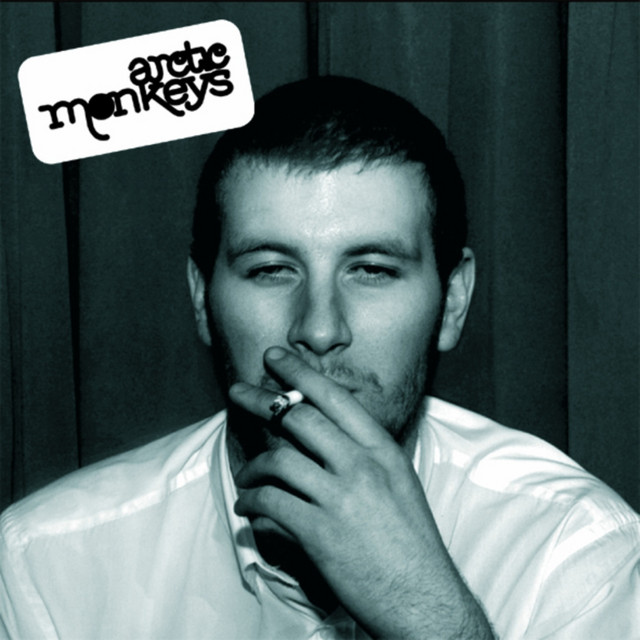
Released in 2005 as Arctic Monkeys’ debut single and later included on Whatever People Say I Am, That’s What I’m Not, the track quickly became a defining early statement for the band. It arrived with the sharp, observational writing that made Alex Turner stand out, and it helped push the group from local buzz to major UK success.[^1][^2]
A Snapshot of Desire, Not a Fairytale
At its core, the song is about reading signals in a crowded room and not knowing if those signals mean anything real. The narrator is fascinated by someone who seems both inviting and unreachable. They trade looks, feel the tension build, and then get stuck in uncertainty.
That is why the opening feels so alive. A short phrase like making the eyes
turns flirtation into a kind of game. The look matters, but so does the hesitation behind it. The narrator is excited, yet also thrown off by the fact that they may not actually want the deeper consequences of the attention.
Interpretation: This is one reason the song feels more honest than romantic. It is not about true love at first sight. It is about instant chemistry mixed with self-protection.

Watch the official I Bet You Look Good On The Dancefloor
music video
The Push and Pull in the Verses
The verses build the song’s emotional tension by showing contradiction after contradiction. The person being watched seems distant, yet powerful. They are described as cold, then explosive. That switch is the heart of the song.
When Turner uses images like shoulders are frozen
and you're dynamite
, he suggests a person who gives off mixed signals. They look emotionally closed, but they also feel dangerous and magnetic. The narrator cannot settle on one reading, so the attraction grows stronger.
There is also humor in the writing. A line referencing Rio and sand undercuts the drama with a sly joke. That wit matters because Arctic Monkeys often wrote about ordinary social scenes without making them sound ordinary. They made awkward nightlife feel cinematic.
What the Chorus Really Means
The chorus sounds like a compliment, but it is also a confession of uncertainty. When the narrator says look good on the dance floor
, they are not saying they know this person deeply. They are admitting they only know how they appear in motion, in public, under club lights.
That is why the next thought matters just as much: they do not know what the other person wants. Romance is only one possibility. Desire, attention, boredom, and performance are all in the mix.
Interpretation: The chorus is really about projection. The narrator fills in the blanks because the setting encourages fantasy. On a dance floor, people become images before they become people.
More Club Than Courtship
One of the smartest turns in the song comes near the end, when it rejects the idea of grand romance. Instead of star-crossed lovers, the world here is all noise, sweat, and impulse. The brief mention of Montagues or Capulets
dismisses Shakespearean love and replaces it with DJs, crowded floors, and fleeting desire.
That move sharpens the song’s message. This is not a ballad in disguise. It understands that many nights out are driven by mood and momentum, not destiny. People chase contact, not always commitment.
For that reason, the song can sound both celebratory and skeptical. It loves the rush of the scene, but it also sees through it.
How the Sound Carries the Story
The production is a huge part of the song’s meaning. Produced by Jim Abbiss, the recording hits hard and fast, with wiry guitars, a tight rhythm section, and a vocal that sounds half-spoken, half-spit out.[^3] Nothing in the arrangement settles down, which mirrors the narrator’s racing thoughts.
The groove feels danceable, but not polished. That roughness is important. Rather than copying sleek club-pop, Arctic Monkeys make the song feel like indie rock crashing into nightlife. Even the famous line about electro-pop
and a robot-like dance style sounds a little mocking. It notices how cool and mechanical the club can look from the outside.
Interpretation: The song is excited by the dance floor, but not fully seduced by it. The music charges forward like a crush, while the lyrics keep questioning what that crush means.
Why It Hit So Hard in 2005
Part of the song’s power comes from timing. In the mid-2000s, Arctic Monkeys became closely tied to internet-era word of mouth, especially through fan sharing before their debut album arrived.[^2] This track sounded immediate, local, and vivid. It did not describe abstract feelings; it described a recognizable night out.
For listeners in the United States, that is still a big part of its appeal. Even if the slang and setting are distinctly British, the emotional situation is universal. Almost everyone knows the feeling of building a whole story around one look across a room.
Final Take on the Song’s Meaning
So, the meaning of I Bet You Look Good On The Dancefloor Arctic Monkeys is not just that someone looks attractive while dancing. It is about the gap between appearance and intention. The song captures how quickly desire can flare up, how little people may know in that moment, and how nightlife turns uncertainty into adrenaline.
That is why it still feels fresh. It understands that attraction is often part performance, part fantasy, and part genuine longing.
Disclaimer: This interpretation is based on the lyrics, performance, and public context around the song. As with most songs, listeners may hear different meanings in it.
[^1]: Arctic Monkeys, official band history. [^2]: BBC coverage of Arctic Monkeys’ early rise and debut era. [^3]: Album and single credit listings for producer and release details.








